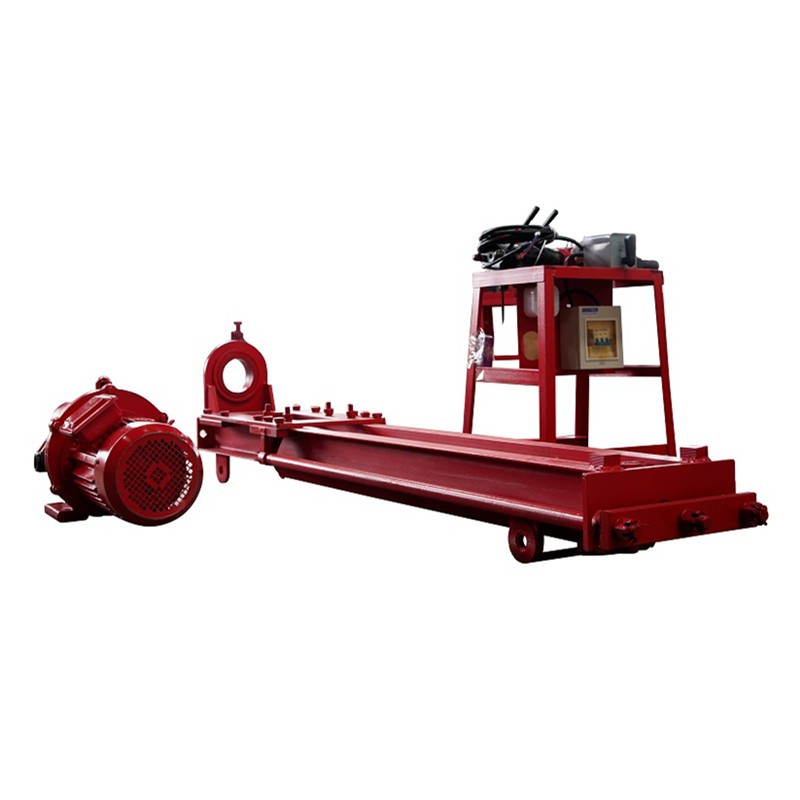
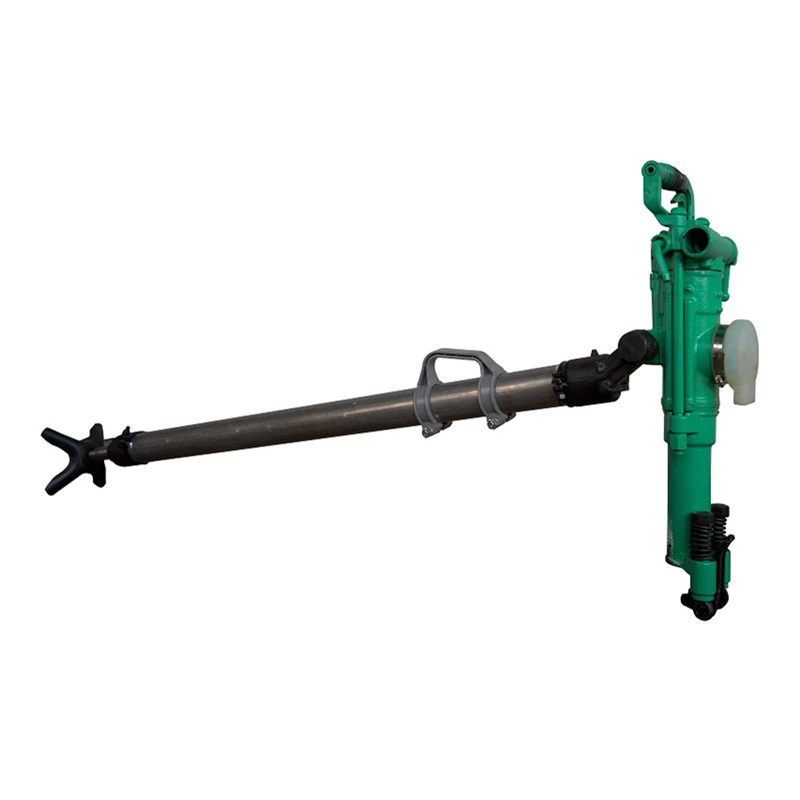
In recent years, the global push towards environmental sustainability has influenced various industries, including the drilling equipment sector. As a supplier of Pneumatic Crawler Drills, I understand the growing demand for more environmentally friendly drilling solutions. This blog post aims to explore effective strategies to enhance the environmental friendliness of Pneumatic Crawler Drills, which not only benefits the planet but also meets the evolving needs of our customers.
1. Energy Efficiency Improvements
One of the primary ways to make Pneumatic Crawler Drills more environmentally friendly is by improving their energy efficiency. These drills typically rely on compressed air to operate, and optimizing the air compression system can significantly reduce energy consumption.
- Advanced Compressor Technology: Upgrading to high - efficiency air compressors can make a substantial difference. Modern compressors are designed with features such as variable speed drives (VSD), which adjust the compressor's speed according to the actual demand. This means that the compressor does not run at full capacity all the time, saving energy during periods of lower demand. For example, if the drill is not in continuous use, the VSD compressor can slow down, consuming less power.
- Leak Detection and Repair: Air leaks in the pneumatic system can waste a significant amount of energy. Regularly inspecting the system for leaks and promptly repairing them is crucial. Simple techniques like using ultrasonic leak detectors can help identify even the smallest leaks that might otherwise go unnoticed. By fixing these leaks, we can ensure that the compressed air is used efficiently, reducing the overall energy requirements of the drill.
- Proper System Design: A well - designed pneumatic system can also contribute to energy savings. This includes using the appropriate pipe sizes, minimizing bends and restrictions in the air lines, and ensuring proper insulation. A properly sized and insulated system reduces pressure drops, allowing the compressor to operate more efficiently.
2. Emission Reduction
Although Pneumatic Crawler Drills do not have direct exhaust emissions like some other types of drills, the equipment used to generate compressed air, such as diesel - powered compressors, can produce harmful emissions.
- Alternative Power Sources: Consider using alternative power sources for the air compressors. Electric compressors are a cleaner option as they produce zero direct emissions at the point of use. If the site has access to a reliable electricity grid, switching to electric compressors can significantly reduce the carbon footprint of the drilling operation. Additionally, renewable energy sources such as solar or wind power can be used to generate electricity for the compressors, making the entire process even more sustainable.
- Diesel Engine Upgrades: If diesel - powered compressors are still in use, upgrading the engines to meet the latest emission standards is essential. Newer diesel engines are designed with advanced emission control technologies, such as diesel particulate filters (DPF) and selective catalytic reduction (SCR) systems. These technologies can reduce the emission of harmful pollutants such as particulate matter, nitrogen oxides (NOx), and carbon monoxide (CO).
3. Noise Pollution Reduction
Drilling operations can be a significant source of noise pollution, which can have a negative impact on the environment and nearby communities.

- Sound Insulation: Installing sound - insulating materials on the drill and the compressor can help reduce the noise level. These materials absorb and dampen the sound waves, preventing them from spreading into the surrounding environment. For example, using acoustic enclosures around the compressor can significantly reduce the noise it generates.
- Low - Noise Design: Designing the drill with low - noise components and features can also make a difference. This includes using quieter motors, pumps, and valves. Additionally, optimizing the mechanical design to reduce vibration can further minimize noise production.
4. Sustainable Material Usage
The materials used in the construction of Pneumatic Crawler Drills can also have an environmental impact.
- Recyclable Materials: Using recyclable materials in the manufacturing process can reduce the demand for new raw materials and minimize waste. For example, steel is a widely used material in drill construction, and it is highly recyclable. By ensuring that the steel used in our drills is sourced from recycled materials or can be easily recycled at the end of the drill's life, we can contribute to a more circular economy.
- Material Efficiency: Designing the drill to use materials more efficiently can also reduce waste. This includes using computer - aided design (CAD) software to optimize the shape and size of components, reducing the amount of material required without sacrificing strength or performance.
5. Responsible Waste Management
Drilling operations can generate various types of waste, such as drill cuttings and used lubricants.
- Drill Cuttings Management: Proper management of drill cuttings is crucial to prevent environmental contamination. The cuttings can be treated and reused in some cases, such as in road construction or backfilling. If the cuttings contain harmful substances, they should be disposed of in accordance with local environmental regulations.
- Lubricant Recycling: Used lubricants from the drill's moving parts can be recycled instead of being discarded. Recycling lubricants not only reduces waste but also conserves resources. There are specialized facilities that can clean and re - refine used lubricants, making them suitable for reuse.
6. Training and Awareness
Finally, educating operators and users about the importance of environmental friendliness and providing them with the necessary training can have a significant impact.
- Operator Training: Training operators on how to operate the drill in an energy - efficient and environmentally friendly manner is essential. This includes proper start - up and shut - down procedures, adjusting the drill settings according to the specific drilling conditions, and performing regular maintenance tasks.
- Environmental Awareness Campaigns: Raising awareness among all stakeholders about the environmental impact of drilling operations and the benefits of using environmentally friendly equipment can create a culture of sustainability. This can include providing information about the company's environmental policies and initiatives, as well as the latest trends in sustainable drilling technology.
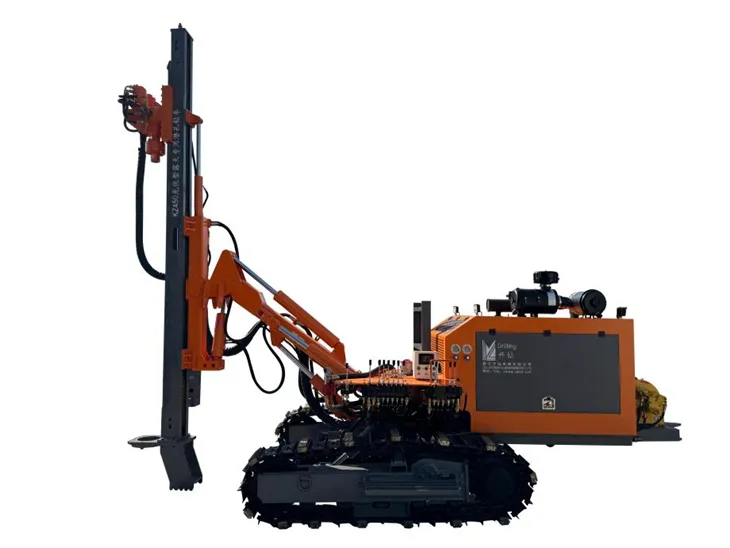
As a Pneumatic Crawler Drill supplier, we are committed to providing our customers with environmentally friendly solutions. Our FMT Crawler Drill and Crawler Mounted Drill Rig are designed with many of these environmental features in mind. We also offer Crawler Mounted Drilling Rig models that can be customized to meet the specific environmental requirements of different projects.
If you are interested in learning more about our environmentally friendly Pneumatic Crawler Drills or would like to discuss your drilling needs, we invite you to contact us for a procurement discussion. Our team of experts is ready to assist you in finding the most suitable and sustainable drilling solution for your project.
References
- "Handbook of Pneumatic Conveying Engineering" by George Klinzing, Jerry Marr, and Mark Rizk.
- "Environmental Impact Assessment of Drilling Operations" by various authors in the Journal of Environmental Management.
- "Energy - Efficient Pneumatic Systems" by the Compressed Air and Gas Institute.