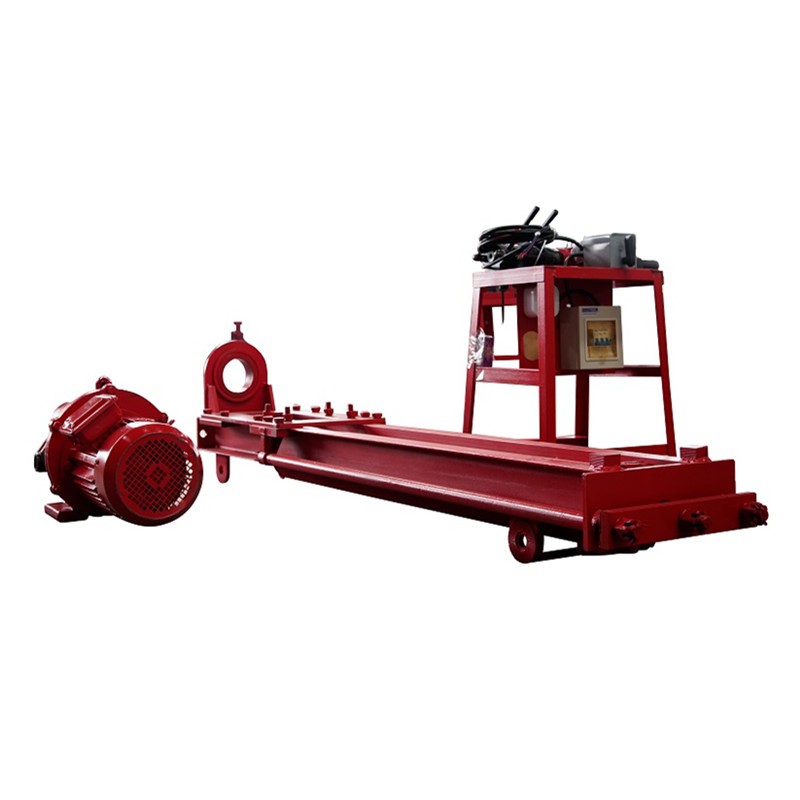
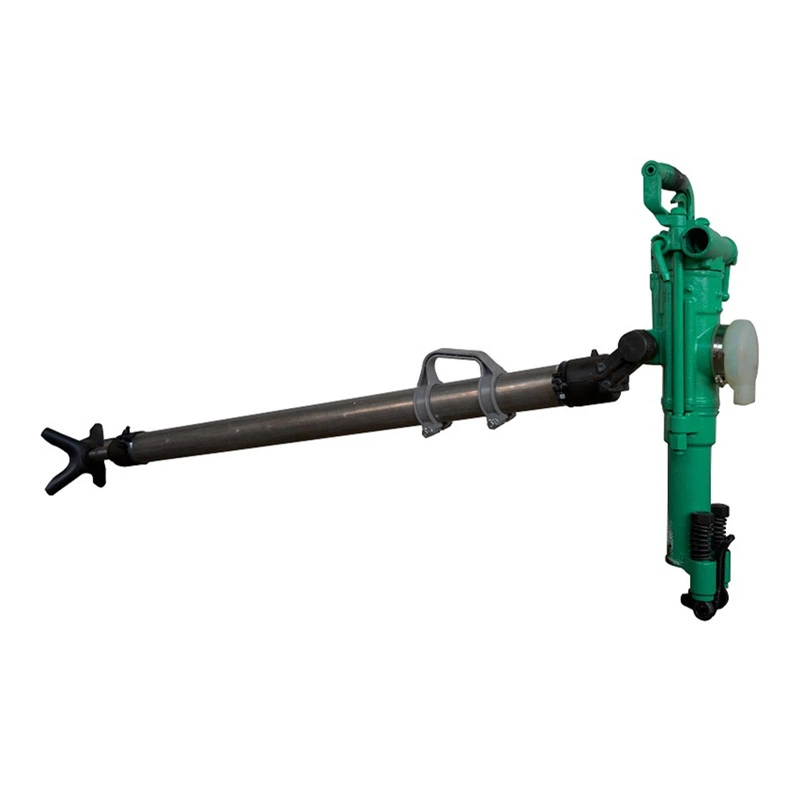
Electrical accidents in crawler and drilling rigs can lead to severe consequences, including property damage, injuries, and even fatalities. As a supplier of crawler and drilling rigs, I understand the importance of preventing these accidents. In this blog post, I will share some key strategies and best practices to help you ensure electrical safety in your crawler and drilling rig operations.
1. Regular Inspections and Maintenance
Regular inspections and maintenance are crucial for preventing electrical accidents. Electrical systems in crawler and drilling rigs are exposed to harsh environments, including dust, moisture, and vibrations, which can cause wear and tear over time. By conducting regular inspections, you can identify and address potential issues before they lead to accidents.


- Visual Inspections: Perform visual inspections of all electrical components, including wiring, connectors, switches, and circuit breakers. Look for signs of damage, such as frayed wires, loose connections, or corrosion. If you notice any issues, replace the damaged components immediately.
- Testing and Calibration: Use appropriate testing equipment to check the functionality of electrical components. Test circuit breakers, fuses, and grounding systems to ensure they are working properly. Calibrate electrical instruments regularly to maintain accuracy.
- Cleaning and Lubrication: Keep electrical components clean and free from dust and debris. Use compressed air or a soft brush to clean hard-to-reach areas. Lubricate moving parts, such as switches and relays, to prevent wear and ensure smooth operation.
2. Proper Installation and Wiring
Proper installation and wiring are essential for electrical safety. Incorrect installation can lead to short circuits, electrical shocks, and fires. When installing or modifying electrical systems in crawler and drilling rigs, follow the manufacturer's instructions and industry standards.
- Qualified Electricians: Hire qualified electricians to install and maintain electrical systems. Electricians should have the necessary training and experience to work with high-voltage electrical systems and understand the specific requirements of crawler and drilling rigs.
- Wiring Standards: Use high-quality wiring materials that are suitable for the harsh operating conditions of crawler and drilling rigs. Follow wiring standards and guidelines to ensure proper insulation, grounding, and protection against electrical hazards.
- Cable Management: Organize and secure cables to prevent them from being damaged or pinched. Use cable trays, conduits, and cable ties to keep cables in place. Avoid running cables near sharp edges or moving parts.
3. Employee Training and Education
Employee training and education are key to preventing electrical accidents. All employees who work with or around crawler and drilling rigs should receive comprehensive training on electrical safety.
- Safety Training Programs: Develop and implement safety training programs that cover electrical safety procedures, hazard recognition, and emergency response. Train employees on how to use personal protective equipment (PPE) and how to perform basic electrical maintenance tasks.
- Regular Refresher Courses: Provide regular refresher courses to keep employees up-to-date on the latest safety regulations and best practices. Encourage employees to ask questions and report any electrical safety concerns.
- Safety Culture: Foster a safety culture within your organization by promoting safety awareness and encouraging employees to take an active role in preventing electrical accidents. Recognize and reward employees for their safety achievements.
4. Use of Personal Protective Equipment (PPE)
Personal protective equipment (PPE) is an important part of electrical safety. Employees who work with or around electrical systems in crawler and drilling rigs should wear appropriate PPE to protect themselves from electrical hazards.
- Insulated Gloves: Insulated gloves are designed to protect hands from electrical shocks. Choose gloves that are rated for the voltage and type of electrical work being performed.
- Safety Glasses: Safety glasses protect eyes from flying debris and electrical arcs. Make sure employees wear safety glasses at all times when working near electrical equipment.
- Flame-Resistant Clothing: Flame-resistant clothing can protect employees from electrical fires and arcs. Provide employees with flame-resistant coveralls, shirts, and pants.
5. Hazardous Location Considerations
Crawler and drilling rigs often operate in hazardous locations, such as oil and gas fields, mines, and construction sites. These locations may have additional electrical safety requirements due to the presence of flammable gases, dust, or other hazardous substances.
- Explosion-Proof Equipment: Use explosion-proof electrical equipment in hazardous locations where there is a risk of explosion or fire. Explosion-proof equipment is designed to prevent sparks or flames from igniting flammable gases or dust.
- Grounding and Bonding: Ensure proper grounding and bonding of electrical equipment in hazardous locations. Grounding helps to prevent electrical shocks and reduces the risk of electrostatic discharge, which can ignite flammable substances.
- Ventilation: Provide adequate ventilation in hazardous locations to prevent the accumulation of flammable gases or dust. Ventilation systems should be designed to remove hazardous substances from the air and prevent them from reaching explosive levels.
6. Emergency Preparedness
Despite all preventive measures, electrical accidents can still occur. It is important to be prepared for emergencies and have a plan in place to respond quickly and effectively.
- Emergency Response Plan: Develop an emergency response plan that outlines the steps to be taken in the event of an electrical accident. The plan should include procedures for evacuating the area, providing first aid, and contacting emergency services.
- Emergency Equipment: Keep emergency equipment, such as fire extinguishers, first aid kits, and emergency lighting, readily available in the workplace. Make sure employees know how to use this equipment.
- Regular Drills: Conduct regular emergency drills to ensure employees are familiar with the emergency response plan and know how to respond in an emergency. Review and update the emergency response plan regularly to reflect any changes in the workplace or operating conditions.
Conclusion
Preventing electrical accidents in crawler and drilling rigs requires a comprehensive approach that includes regular inspections and maintenance, proper installation and wiring, employee training and education, use of personal protective equipment, hazardous location considerations, and emergency preparedness. As a supplier of crawler and drilling rigs, I am committed to providing our customers with high-quality equipment and support to ensure electrical safety.
If you are interested in learning more about our Nylon Drill Rig Crawler, Crawler Borehole Drill Rig, or Drilling Rig Crawler, please feel free to contact us for more information and to discuss your specific requirements. Our team of experts is ready to assist you in finding the right solution for your drilling needs.
References
- Occupational Safety and Health Administration (OSHA). Electrical safety standards for the construction industry.
- National Fire Protection Association (NFPA). Electrical safety codes and standards.
- International Electrotechnical Commission (IEC). Electrical safety requirements for equipment.