Hey there! As a supplier of Drill Rig Crawlers, I've seen firsthand how important it is to keep an eye on the wear of crawler tracks. It's not just about making sure your drill rig runs smoothly; it's also about safety and cost - efficiency. In this blog, I'm gonna share some practical ways to measure the wear of the crawler tracks on a drill rig crawler.
Why Measuring Wear is Crucial
Before we dive into the measurement methods, let's talk about why it's so important to measure the wear of crawler tracks. First off, worn - out tracks can seriously affect the performance of your drill rig. They can cause the rig to move unevenly, which might lead to inaccurate drilling. This is a big no - no, especially in industries like mining where precision is key.
Secondly, safety is a major concern. Tracks that are too worn can break or come off during operation, posing a significant risk to the operators and the surrounding environment. And let's not forget about the cost. Replacing crawler tracks is expensive, but if you catch the wear early, you can plan for replacements and potentially save money in the long run.
Visual Inspection
The simplest way to start measuring the wear of crawler tracks is through a visual inspection. This is something you can do regularly, maybe even before each shift. Just take a good look at the tracks. Check for any obvious signs of damage, like cracks, breaks, or missing parts.
Look at the treads. Over time, the treads will wear down. If you notice that the tread depth has significantly decreased, it's a sign that the tracks are wearing out. You can use a simple ruler or a tread depth gauge to measure the remaining tread depth. Compare it with the manufacturer's specifications to see if it's still within the acceptable range.
Also, pay attention to the links between the track segments. If they're loose or show signs of excessive wear, it could be a problem. Loose links can cause the track to derail, so it's important to address this issue as soon as possible.
Measuring Track Tension
Another important aspect of measuring track wear is checking the track tension. Proper track tension is crucial for the smooth operation of the drill rig and can also affect the wear rate of the tracks.
To measure the track tension, you can use a tension gauge. First, make sure the drill rig is on a flat surface and the tracks are in a static position. Then, place the tension gauge at the appropriate points on the track, usually near the middle of the track span. The gauge will give you a reading of the tension.
If the track is too loose, it can cause excessive wear on the sprockets and the track itself. On the other hand, if it's too tight, it can put extra stress on the components, leading to premature wear. Refer to the drill rig's manual for the recommended track tension values and adjust accordingly.
Monitoring Track Alignment
Track alignment is often overlooked, but it plays a significant role in track wear. Misaligned tracks can cause uneven wear, which means some parts of the track will wear out faster than others.
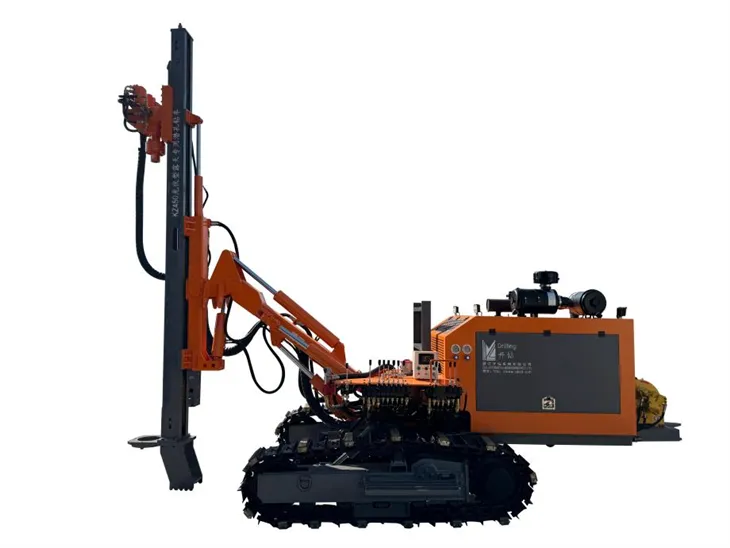

To check the track alignment, you can use a straightedge. Place the straightedge along the side of the track and see if it runs parallel to the track from one end to the other. If there are any deviations, it means the track is misaligned.
There are a few reasons why tracks can become misaligned. It could be due to improper installation, worn - out components, or damage to the undercarriage. Once you identify the alignment issue, you need to take steps to correct it. This might involve adjusting the track adjusters or replacing worn parts.
Using Wear Indicators
Many modern drill rig crawler tracks come with built - in wear indicators. These are small markings or features on the track that are designed to show when the track has reached a certain level of wear.
For example, some tracks have wear bars that are flush with the tread surface when the track is new. As the tread wears down, the wear bars start to protrude. When the wear bars are completely exposed, it's a clear sign that the track needs to be replaced.
Wear indicators are a convenient and reliable way to measure track wear, especially for those who are not as experienced in track maintenance. Just keep an eye on these indicators during your regular inspections.
Analyzing Operational Data
In today's digital age, we have access to a wealth of operational data that can help us measure track wear. Many drill rigs are equipped with sensors that can collect data on various parameters, such as track speed, load, and temperature.
By analyzing this data, you can get a better understanding of how the tracks are being used and how they're wearing. For example, if the track speed is too high or the load is too heavy, it can accelerate track wear. You can use this information to adjust the operating conditions and potentially extend the life of the tracks.
Some advanced monitoring systems can even predict when the tracks are likely to reach the end of their service life based on the collected data. This allows you to plan for track replacements in advance and avoid unexpected breakdowns.
Our Drill Rig Crawler Products
As a supplier, we offer a wide range of high - quality drill rig crawlers. Check out our Crawler Mounted Drilling Rig, which is known for its reliability and performance. We also have Nylon Drill Rig Crawler options that are lightweight and durable. And for mining applications, our Blast Hole Crawler Drill Rigs for Mining are designed to handle the toughest conditions.
Conclusion
Measuring the wear of crawler tracks on a drill rig crawler is a multi - faceted process that involves visual inspection, measuring track tension, monitoring alignment, using wear indicators, and analyzing operational data. By regularly monitoring track wear, you can ensure the safety and efficiency of your drill rig, and save money on track replacements.
If you're in the market for high - quality drill rig crawlers or have any questions about track wear measurement, don't hesitate to get in touch with us. We're here to help you make the best decisions for your drilling operations.
References
- Drill Rig Maintenance Manuals
- Industry Research on Crawler Track Wear
- Manufacturer's Specifications for Drill Rig Crawlers