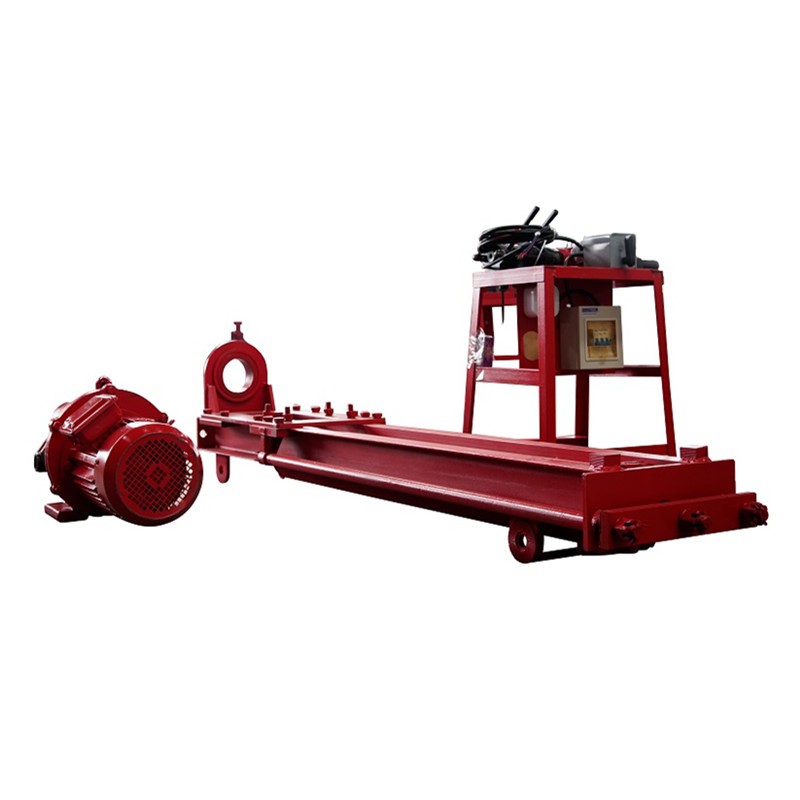
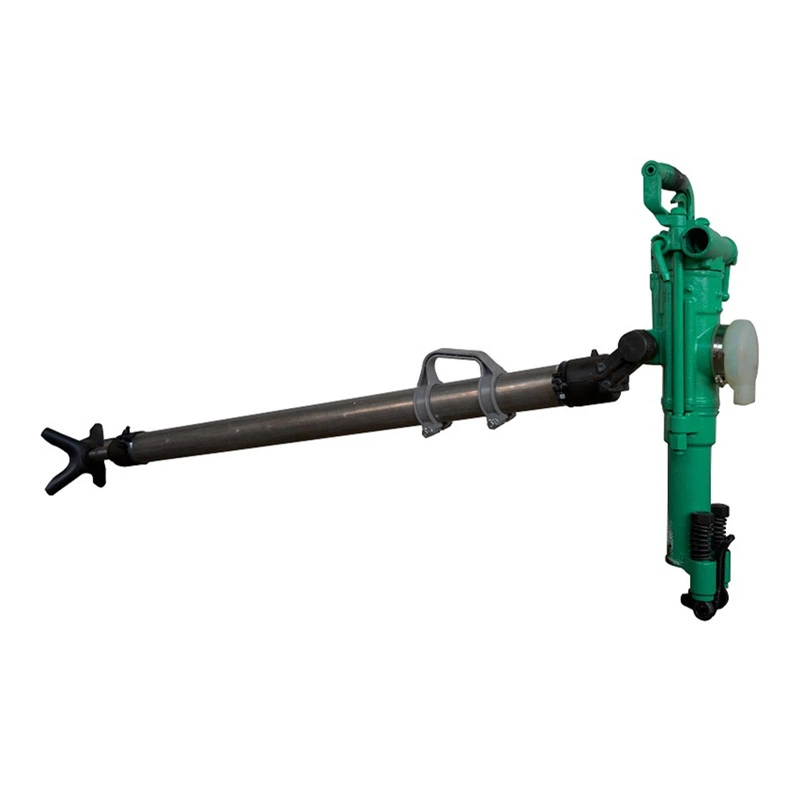
In the realm of modern drilling operations, the Drilling Rig Crawler stands as a remarkable piece of engineering. As a supplier of these advanced machines, I've witnessed firsthand the incredible feats they can achieve. One of the most frequently asked questions in the industry is: What is the maximum horizontal drilling distance of a Drilling Rig Crawler?
Understanding the Basics of Drilling Rig Crawlers
Before delving into the maximum horizontal drilling distance, it's essential to understand what a Drilling Rig Crawler is. A Drilling Rig Crawler is a self - propelled drilling machine mounted on a crawler track. This design provides excellent mobility, stability, and the ability to operate on various terrains, including rough and uneven surfaces. It is widely used in mining, construction, and oil and gas exploration.
The Drilling Rig Crawler comes equipped with a powerful drilling system, capable of boring holes in both vertical and horizontal directions. The horizontal drilling function is particularly useful in applications such as directional drilling for laying pipelines, cable installation, and underground exploration.
Factors Affecting the Maximum Horizontal Drilling Distance
Several factors influence the maximum horizontal drilling distance of a Drilling Rig Crawler. These factors need to be carefully considered to ensure safe and efficient drilling operations.
1. Rig Design and Specifications
The design and specifications of the Drilling Rig Crawler play a crucial role in determining its horizontal drilling capabilities. Key factors include the power of the drilling motor, the torque capacity of the drill string, and the strength of the crawler chassis. A more powerful motor can provide the necessary force to drive the drill bit through the ground over longer distances. Similarly, a drill string with high torque capacity can withstand the rotational forces exerted during horizontal drilling.
2. Ground Conditions
The type of ground or rock formation being drilled through has a significant impact on the maximum horizontal drilling distance. Soft soils and sedimentary rocks are generally easier to drill through compared to hard igneous or metamorphic rocks. In soft ground, the drill bit can penetrate more easily, allowing for longer horizontal drilling distances. However, in hard rock formations, the drill bit may experience more wear and tear, and the drilling process may be slower, limiting the maximum distance.
3. Drilling Fluid and Mud System
Drilling fluid, commonly known as mud, is used in horizontal drilling operations to lubricate the drill bit, remove cuttings from the borehole, and maintain the stability of the borehole walls. A well - designed mud system can significantly improve the drilling efficiency and extend the maximum horizontal drilling distance. The properties of the drilling fluid, such as its viscosity and density, need to be carefully adjusted according to the ground conditions and the drilling requirements.
4. Borehole Stability
Maintaining the stability of the borehole is crucial during horizontal drilling. As the drill bit advances horizontally, the borehole walls are subjected to various forces, including the weight of the overlying soil or rock and the pressure exerted by the drilling fluid. If the borehole walls collapse or become unstable, it can lead to drilling problems, such as stuck drill pipes and reduced drilling efficiency. Therefore, proper borehole support techniques, such as casing installation, need to be employed to ensure the stability of the borehole over long distances.
Current Industry Standards and Achievements
In recent years, there have been significant advancements in Drilling Rig Crawler technology, leading to an increase in the maximum horizontal drilling distances achievable. In the oil and gas industry, horizontal drilling distances of several kilometers are now common. For example, in some shale gas fields, Drilling Rig Crawlers have been used to drill horizontal wells with lengths of up to 3 - 5 kilometers.
In the mining and construction sectors, the maximum horizontal drilling distances are generally shorter but still impressive. For Drilling Machine Used in Mines, horizontal drilling distances of several hundred meters are achievable, depending on the factors mentioned above.
Our Company's Drilling Rig Crawlers and Their Capabilities
As a supplier of Drilling Rig Crawlers, we take pride in offering high - quality machines with excellent horizontal drilling capabilities. Our Yellow Drill Rig Crawler is a prime example. It is designed with a powerful drilling motor and a high - torque drill string, allowing for efficient horizontal drilling.
Our engineers have also paid special attention to the design of the mud system and borehole support mechanisms. This ensures that our Drilling Rig Crawlers can operate effectively in a wide range of ground conditions and achieve long horizontal drilling distances. In typical soft to medium - hard ground conditions, our Drilling Rig Crawlers can achieve horizontal drilling distances of up to 500 - 1000 meters, depending on the specific application and configuration.
Case Studies: Real - World Applications
To illustrate the capabilities of our Drilling Rig Crawlers, let's look at a few real - world case studies.
Case Study 1: Pipeline Installation
In a recent pipeline installation project, our Drilling Rig Crawler was used to drill a horizontal borehole for laying a natural gas pipeline. The ground conditions consisted of a mixture of clay and sand. With proper mud system management and borehole support, the rig was able to drill a horizontal borehole with a length of 800 meters in just a few days. This not only saved time and cost but also minimized the environmental impact of the pipeline installation.
Case Study 2: Cable Installation
In an urban area, our Drilling Rig Crawler was employed for cable installation. The drilling had to be done under a busy road without disrupting traffic. The rig's ability to drill horizontally allowed for the installation of the cables without the need for extensive excavation. Despite the limited space and the presence of underground utilities, the rig was able to drill a horizontal borehole of 600 meters, successfully completing the cable installation project.


Future Trends in Horizontal Drilling
The future of horizontal drilling with Drilling Rig Crawlers looks promising. Advancements in technology are expected to further increase the maximum horizontal drilling distances and improve the efficiency of drilling operations.
One of the key trends is the development of more intelligent drilling systems. These systems use sensors and real - time data analysis to optimize the drilling process. For example, sensors can monitor the drill bit's performance, the condition of the drill string, and the ground conditions. Based on this data, the drilling parameters can be adjusted automatically to ensure the most efficient and safe drilling operation.
Another trend is the use of advanced materials in the construction of Drilling Rig Crawlers. Lightweight yet strong materials can reduce the weight of the rig, improving its mobility and fuel efficiency. At the same time, these materials can enhance the durability and performance of the drill string, allowing for longer horizontal drilling distances.
Contact Us for Your Drilling Needs
If you are in the market for a high - performance Drilling Rig Crawler, look no further. As a leading supplier in the industry, we offer a wide range of Drilling Rig Crawlers with excellent horizontal drilling capabilities. Our team of experts can provide you with detailed information about our products, help you select the right rig for your specific application, and offer technical support throughout the drilling process.
Whether you are involved in mining, construction, oil and gas exploration, or any other industry that requires horizontal drilling, our Drilling Rig Crawlers can meet your needs. Contact us today to discuss your requirements and start a successful partnership.
References
- API RP 67, Recommended Practice for Drilling and Well Servicing Hoisting Equipment, American Petroleum Institute.
- ASME B31.8, Gas Transmission and Distribution Piping Systems, American Society of Mechanical Engineers.
- "Directional Drilling Handbook" by John Doe, published by Drilling Technology Press.