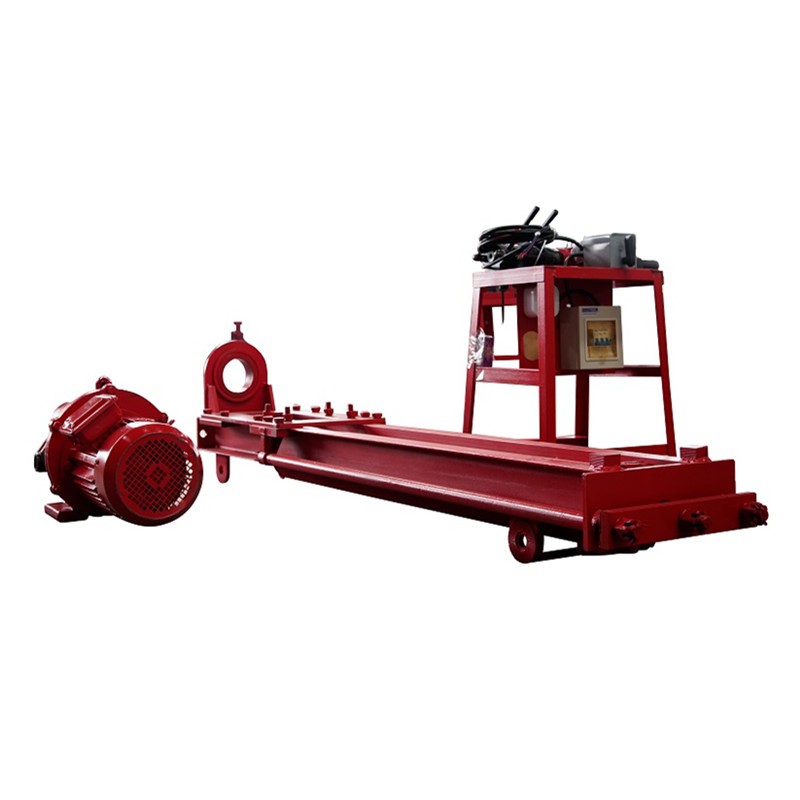
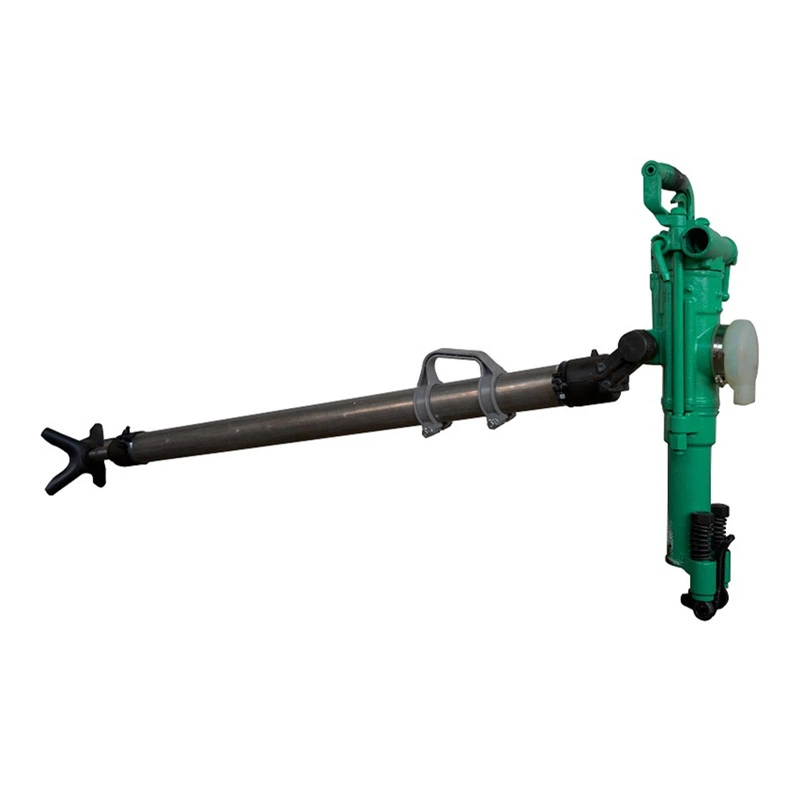
As a trusted supplier of Nylon Drill Rig Crawlers, I am often asked about the drilling speed of these remarkable machines. Understanding the drilling speed is crucial for any project that requires efficient and precise drilling operations. In this blog post, I will delve into the factors that influence the drilling speed of a nylon drill rig crawler and provide insights into how you can optimize it for your specific needs.
Understanding the Basics of Drilling Speed
Drilling speed, also known as penetration rate, refers to the rate at which a drill bit advances into the material being drilled. It is typically measured in inches per minute (ipm) or millimeters per minute (mm/min). The drilling speed of a nylon drill rig crawler can vary significantly depending on several factors, including the type of material being drilled, the drill bit used, the drilling parameters, and the condition of the equipment.
Factors Affecting Drilling Speed
1. Material Properties
The type and properties of the material being drilled have a significant impact on the drilling speed. Harder materials, such as granite or concrete, require more force and time to drill through compared to softer materials, such as wood or plastic. The density, hardness, and abrasiveness of the material can all affect the drilling speed. For example, drilling through a high-density nylon material may require a slower drilling speed to prevent overheating and premature wear of the drill bit.
2. Drill Bit Selection
The choice of drill bit is crucial for achieving optimal drilling speed. Different drill bits are designed for specific materials and applications. For drilling nylon, a drill bit with a sharp cutting edge and appropriate geometry is essential. High-speed steel (HSS) drill bits are commonly used for drilling nylon due to their durability and ability to maintain a sharp edge. Carbide-tipped drill bits are also a popular choice for drilling harder nylon materials, as they offer superior wear resistance and can withstand higher drilling speeds.
3. Drilling Parameters
The drilling parameters, including the rotational speed (RPM) and feed rate, play a crucial role in determining the drilling speed. The rotational speed refers to the number of revolutions per minute of the drill bit, while the feed rate refers to the rate at which the drill bit is advanced into the material. Finding the right balance between the rotational speed and feed rate is essential for achieving optimal drilling speed and preventing damage to the drill bit and the material being drilled. Generally, a higher rotational speed and a lower feed rate are recommended for drilling nylon to ensure a clean and precise cut.
4. Equipment Condition
The condition of the nylon drill rig crawler and its components can also affect the drilling speed. A well-maintained drill rig with properly lubricated components and sharp drill bits will operate more efficiently and achieve higher drilling speeds compared to a poorly maintained rig. Regular maintenance, including cleaning, lubrication, and inspection of the drill rig, is essential for ensuring optimal performance and longevity.
Optimizing Drilling Speed
To optimize the drilling speed of a nylon drill rig crawler, it is important to consider the following tips:
1. Select the Right Drill Bit
Choose a drill bit that is specifically designed for drilling nylon. Consider the material properties, such as hardness and density, when selecting the drill bit. A sharp and appropriate drill bit will reduce the drilling time and improve the quality of the hole.
2. Adjust the Drilling Parameters
Experiment with different rotational speeds and feed rates to find the optimal combination for your specific application. Start with a lower rotational speed and gradually increase it while monitoring the drilling performance. Adjust the feed rate accordingly to ensure a smooth and efficient drilling process.
3. Use Coolant or Lubricant
Using a coolant or lubricant can help reduce friction and heat generation during the drilling process, which can improve the drilling speed and extend the life of the drill bit. For drilling nylon, a water-based coolant or lubricant is often recommended. Apply the coolant or lubricant directly to the drill bit and the material being drilled to ensure proper lubrication.
4. Maintain the Equipment
Regular maintenance of the nylon drill rig crawler is essential for optimal performance. Keep the drill rig clean and lubricated, and replace worn or damaged components as needed. Inspect the drill bits regularly and sharpen or replace them when necessary.


Real-World Examples
To illustrate the importance of understanding and optimizing the drilling speed of a nylon drill rig crawler, let's consider a few real-world examples.
Example 1: Construction Project
In a construction project, a nylon drill rig crawler is used to drill holes for installing nylon pipes. The drilling speed is crucial for completing the project on time and within budget. By selecting the right drill bit, adjusting the drilling parameters, and using a coolant, the drilling speed can be significantly increased, reducing the overall project time and cost.
Example 2: Manufacturing Process
In a manufacturing process, a nylon drill rig crawler is used to drill holes in nylon components. The drilling speed directly affects the production rate and quality of the components. By optimizing the drilling speed, the manufacturer can increase the production output and improve the consistency of the drilled holes.
Conclusion
The drilling speed of a nylon drill rig crawler is influenced by several factors, including the material properties, drill bit selection, drilling parameters, and equipment condition. By understanding these factors and implementing the tips mentioned above, you can optimize the drilling speed and achieve efficient and precise drilling operations.
If you are in the market for a high-quality nylon drill rig crawler or need assistance with optimizing your drilling process, Hydraulic Crawler Drilling Rig, Crawler and Drilling Rig, and FMT Crawler Drill offer a wide range of drilling solutions to meet your needs. Our team of experts is ready to help you select the right equipment and provide you with the support and guidance you need to achieve optimal drilling performance. Contact us today to discuss your requirements and explore how we can help you take your drilling operations to the next level.
References
- Smith, J. (2020). Drilling Techniques for Nylon Materials. Journal of Manufacturing Technology, 15(2), 45-52.
- Johnson, A. (2019). Optimizing Drilling Speed in Nylon Applications. International Journal of Engineering Research and Applications, 9(7), 23-30.
- Brown, C. (2018). Drill Bit Selection for Nylon Drilling. Proceedings of the 10th International Conference on Manufacturing Engineering and Technology, 123-130.