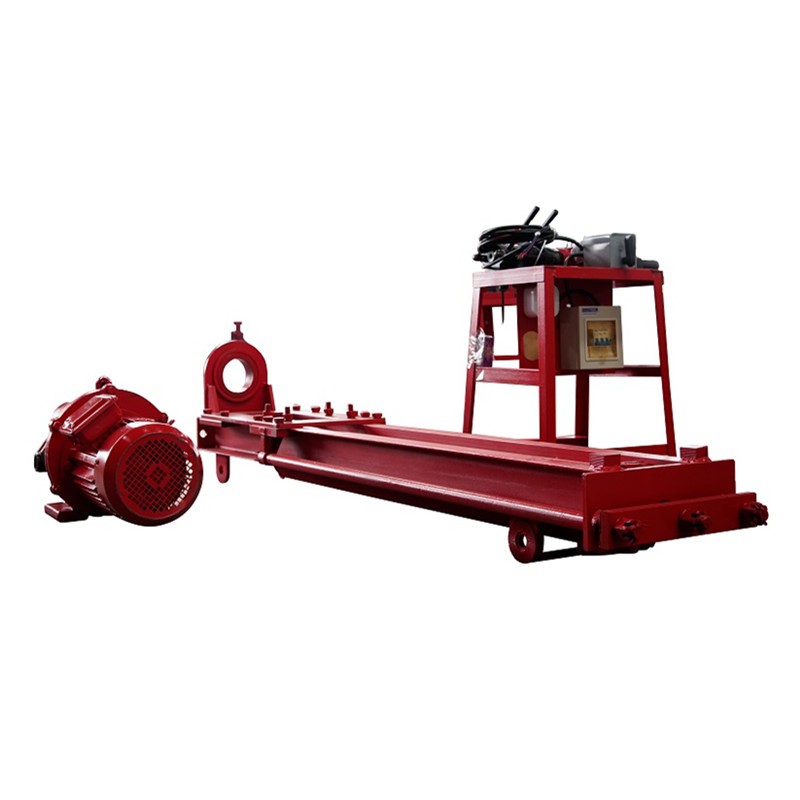
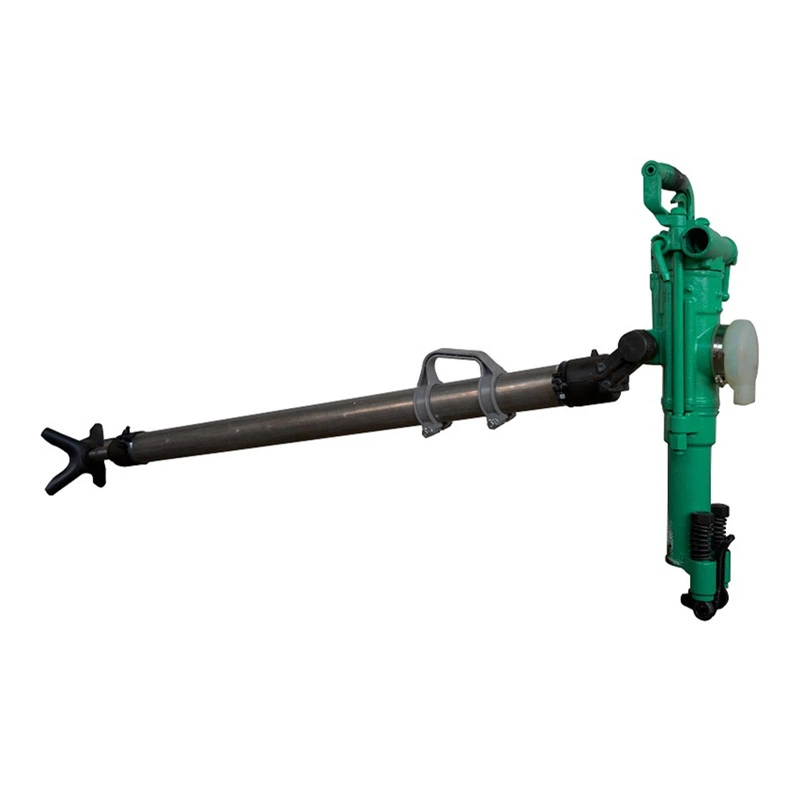
Air pressure is a critical factor in the operation of DTH (Down-the-Hole) rock drilling rigs. As a supplier of DTH rock drilling rigs, I've witnessed firsthand the impact of proper air pressure on the performance and efficiency of these powerful machines. In this blog post, I'll delve into the air pressure requirements for DTH rock drilling rigs, explaining why it matters and how to ensure optimal performance.
Why Air Pressure is Crucial for DTH Rock Drilling Rigs
DTH rock drilling rigs rely on compressed air to function effectively. The compressed air serves multiple purposes, including powering the hammer mechanism, flushing cuttings out of the borehole, and cooling the drill bit. Without sufficient air pressure, the drilling process can become inefficient, leading to slower penetration rates, increased wear and tear on the equipment, and potentially even drill bit failure.
The hammer mechanism in a DTH rock drilling rig is powered by the force of the compressed air. As the air enters the hammer, it drives a piston back and forth, striking the drill bit and creating the impact needed to break through the rock. If the air pressure is too low, the hammer may not generate enough force to effectively break the rock, resulting in slower drilling speeds and reduced productivity.
In addition to powering the hammer, the compressed air also plays a crucial role in flushing cuttings out of the borehole. As the drill bit breaks through the rock, it creates a mixture of rock fragments and dust known as cuttings. These cuttings need to be removed from the borehole to prevent them from clogging the drill bit and reducing its effectiveness. The compressed air is used to blow the cuttings up and out of the borehole, keeping the drilling path clear and allowing the drill bit to continue cutting through the rock.
Finally, the compressed air helps to cool the drill bit during the drilling process. Drilling through hard rock generates a significant amount of heat, which can cause the drill bit to overheat and wear out quickly. The compressed air acts as a coolant, carrying away the heat and preventing the drill bit from reaching temperatures that could damage it.
Air Pressure Requirements for DTH Rock Drilling Rigs
The air pressure requirements for DTH rock drilling rigs can vary depending on several factors, including the type of rock being drilled, the size and design of the drill bit, and the specific model of the drilling rig. However, in general, DTH rock drilling rigs require a minimum air pressure of around 100 to 150 psi (pounds per square inch) to operate effectively.
For softer rocks, such as limestone or sandstone, a lower air pressure may be sufficient. In these cases, a pressure of around 100 to 120 psi may be adequate to power the hammer and flush the cuttings out of the borehole. However, for harder rocks, such as granite or basalt, a higher air pressure may be required. In these situations, a pressure of 130 to 150 psi or more may be necessary to generate enough force to break through the rock and maintain efficient drilling speeds.
It's important to note that these are just general guidelines, and the actual air pressure requirements for a specific DTH rock drilling rig may vary. It's always best to consult the manufacturer's specifications and recommendations for your particular rig to determine the optimal air pressure for your drilling application.
Factors Affecting Air Pressure Requirements
Several factors can affect the air pressure requirements for DTH rock drilling rigs. Understanding these factors can help you ensure that your drilling rig is operating at the optimal air pressure for maximum performance and efficiency.
- Rock Type: As mentioned earlier, the type of rock being drilled is one of the most significant factors affecting air pressure requirements. Harder rocks require more force to break through, which means that a higher air pressure is needed to power the hammer and drive the drill bit. Softer rocks, on the other hand, require less force, and a lower air pressure may be sufficient.
- Drill Bit Size and Design: The size and design of the drill bit can also impact the air pressure requirements. Larger drill bits generally require more air pressure to operate effectively, as they need more force to break through the rock. Additionally, the design of the drill bit can affect how efficiently it uses the compressed air. Some drill bits are designed to be more air-efficient, which means they can operate at lower air pressures while still maintaining good performance.
- Drilling Depth: The depth of the borehole can also affect the air pressure requirements. As the drill bit penetrates deeper into the rock, the air has to travel a longer distance to reach the hammer and flush the cuttings out of the borehole. This can result in a loss of air pressure, which means that a higher initial air pressure may be needed to ensure that there is enough pressure at the bottom of the borehole to power the hammer and remove the cuttings.
- Air Compressor Capacity: The capacity of the air compressor used to supply the compressed air is another important factor. The air compressor needs to be able to provide enough air volume and pressure to meet the requirements of the drilling rig. If the air compressor is too small, it may not be able to supply enough air to maintain the required air pressure, resulting in reduced drilling performance.
Ensuring Optimal Air Pressure
To ensure that your DTH rock drilling rig is operating at the optimal air pressure, it's important to take several steps.
- Select the Right Air Compressor: Choose an air compressor that is capable of providing the required air volume and pressure for your drilling rig. Consider factors such as the size of the drill bit, the type of rock being drilled, and the drilling depth when selecting an air compressor.
- Maintain the Air Compressor: Regularly maintain your air compressor to ensure that it is operating efficiently. This includes checking the oil level, air filters, and belts, and performing any necessary repairs or maintenance tasks.
- Monitor the Air Pressure: Use a pressure gauge to monitor the air pressure at the drilling rig. This will allow you to ensure that the air pressure is within the recommended range and make any necessary adjustments.
- Adjust the Air Pressure as Needed: If the air pressure is too low, you may need to increase the output of the air compressor or check for any air leaks in the system. If the air pressure is too high, you may need to reduce the output of the air compressor or adjust the settings on the drilling rig.
Related Products
In addition to DTH rock drilling rigs, we also offer a range of other drilling equipment, including Pusher Leg Rock Drill, Mini Borehole Drilling Machine, and Compact Rock Drill Rigs. These products are designed to meet the needs of various drilling applications and can provide reliable performance and efficiency.


Conclusion
Air pressure is a critical factor in the operation of DTH rock drilling rigs. By understanding the air pressure requirements and taking the necessary steps to ensure optimal air pressure, you can maximize the performance and efficiency of your drilling rig, reduce downtime, and extend the lifespan of your equipment. If you have any questions or need further information about DTH rock drilling rigs or air pressure requirements, please don't hesitate to contact us. We're here to help you find the right drilling solution for your needs and ensure that you get the most out of your equipment.
References
- "DTH Drilling Basics." International Mining.
- "Air Compressor Selection for Drilling Applications." Compressed Air Best Practices Magazine.
- Manufacturer's specifications and manuals for DTH rock drilling rigs.