Connecting the drill rod to a rock drill is a crucial process that requires precision and knowledge. As a seasoned rock drill supplier, I've witnessed firsthand the importance of getting this connection right. In this blog, I'll guide you through the steps of connecting a drill rod to a rock drill, share some tips and tricks, and highlight the significance of this process in the overall drilling operation.
Understanding the Basics of Rock Drills and Drill Rods
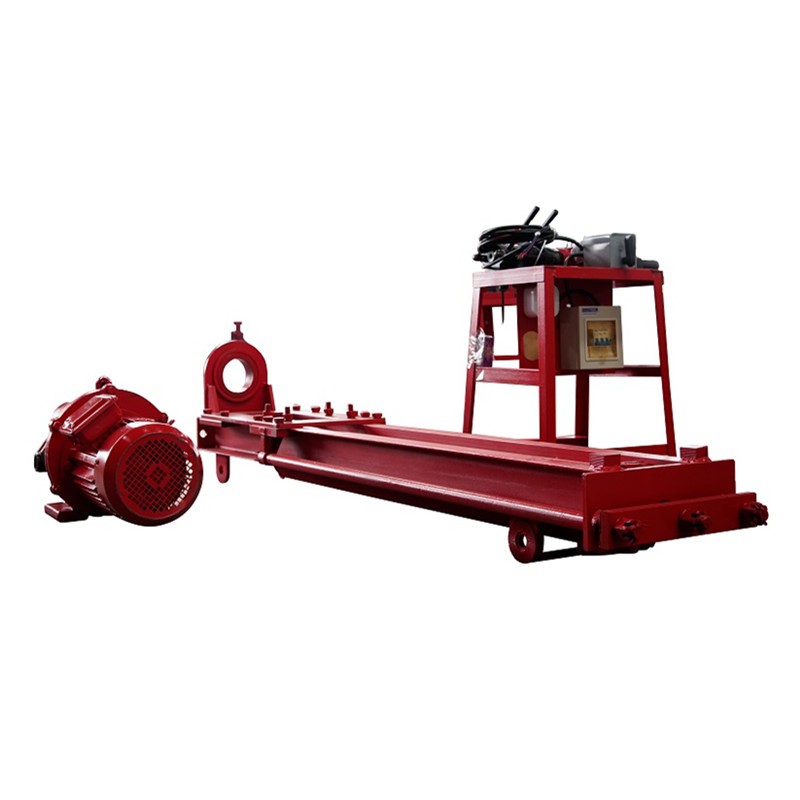
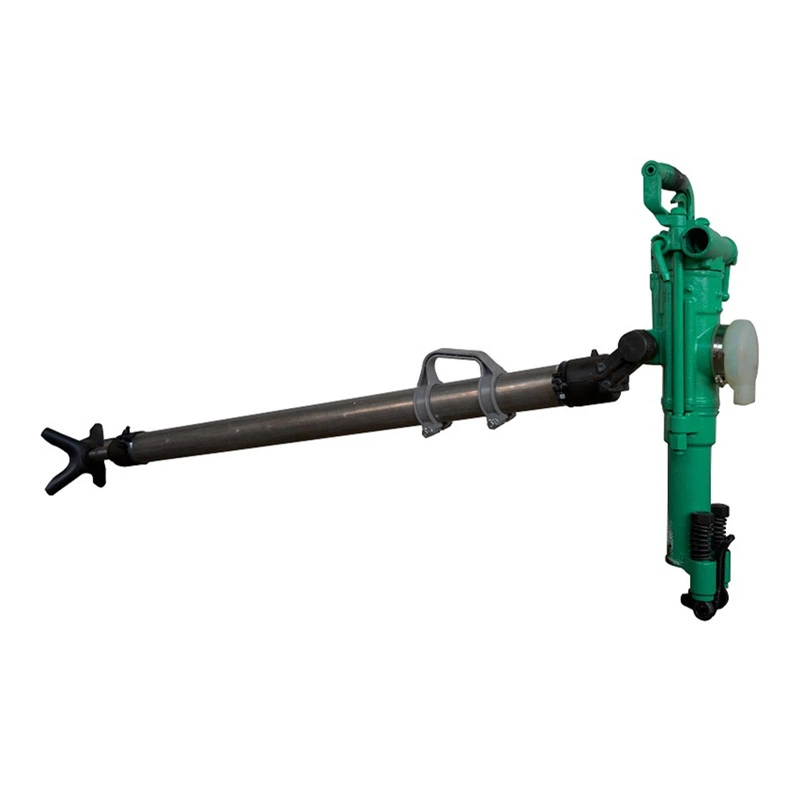
Before we delve into the connection process, it's essential to understand the basic components of a rock drill and a drill rod. A rock drill is a powerful machine used to create holes in rock formations. There are different types of rock drills available in the market, each designed for specific applications. For instance, the Compact Rock Drilling Hydraulic Machine is ideal for small - scale projects due to its compact size and high efficiency. The Portable Rock Drilling Machine offers mobility, making it suitable for on - site operations in various locations. And the Dth Pneumatic Rock Drill is known for its ability to drill deep holes in hard rock.


Drill rods, on the other hand, are the long, slender tubes that transmit the energy from the rock drill to the drill bit. They come in different lengths, diameters, and materials, depending on the drilling requirements. The connection between the drill rod and the rock drill is what allows the transfer of rotational and percussive forces necessary for effective drilling.
Pre - connection Preparations
- Inspection: Before attempting to connect the drill rod to the rock drill, thoroughly inspect both components. Check the drill rod for any signs of damage, such as cracks, bends, or worn - out threads. Similarly, examine the rock drill's chuck or coupling mechanism for any debris, damage, or excessive wear. A damaged drill rod or rock drill component can lead to a poor connection, reduced drilling performance, and even safety hazards.
- Cleaning: Clean the drill rod and the rock drill's connection area. Use a wire brush or compressed air to remove any dirt, dust, or debris from the threads of the drill rod and the corresponding socket in the rock drill. This ensures a clean and tight connection, preventing the ingress of contaminants during drilling.
- Lubrication: Apply a suitable lubricant to the threads of the drill rod. This not only makes the connection process easier but also helps prevent corrosion and galling. Use a lubricant recommended by the drill rod or rock drill manufacturer to ensure compatibility.
Connecting the Drill Rod to the Rock Drill
- Positioning: Position the drill rod near the rock drill. If you're using a drill rig with a rod handler, use it to align the drill rod with the rock drill's chuck or coupling. For manual operations, carefully hold the drill rod in place, ensuring it is perpendicular to the rock drill's connection point.
- Initial Engagement: Insert the end of the drill rod into the rock drill's chuck or coupling. Begin to turn the drill rod clockwise by hand. Be gentle during this initial engagement to ensure that the threads start to mesh correctly. If you encounter any resistance, stop and check if the threads are properly aligned.
- Tightening: Once the threads are engaged, use a suitable tool, such as a torque wrench or a spanner, to tighten the drill rod further. Follow the manufacturer's recommended torque specifications. Over - tightening can damage the threads, while under - tightening can result in a loose connection that may cause the drill rod to come loose during drilling.
- Verification: After tightening, visually inspect the connection to ensure that the drill rod is firmly attached to the rock drill. You can also give the drill rod a gentle tug to check for any movement. If there is any play or looseness, re - tighten the connection.
Tips for a Successful Connection
- Use the Right Tools: Always use the tools recommended by the manufacturer for connecting the drill rod. Using improper tools can damage the components and lead to a poor connection.
- Follow the Manufacturer's Instructions: Each rock drill and drill rod may have specific connection procedures and torque requirements. Read and follow the manufacturer's instructions carefully to ensure a proper connection.
- Train Your Operators: Provide comprehensive training to your operators on how to connect the drill rod to the rock drill. This includes safety procedures, inspection techniques, and the proper use of tools. Well - trained operators are more likely to make a secure and reliable connection.
- Regular Maintenance: Conduct regular maintenance on your rock drills and drill rods. This includes checking the connection components for wear and tear, lubricating the threads, and replacing any damaged parts. Regular maintenance ensures the longevity of your equipment and the quality of the drill rod connection.
The Significance of a Proper Connection
A proper connection between the drill rod and the rock drill is crucial for several reasons. Firstly, it ensures efficient energy transfer. When the connection is tight and secure, the rotational and percussive forces from the rock drill are effectively transmitted to the drill bit, resulting in faster and more accurate drilling.
Secondly, a proper connection enhances safety. A loose drill rod can come off during drilling, posing a significant risk to the operators and the surrounding environment. It can also cause damage to the drill rig and other equipment.
Finally, a good connection reduces wear and tear on the drill rod and the rock drill. A tight connection prevents excessive vibration and movement, which can lead to premature wear of the components. This, in turn, reduces maintenance costs and extends the lifespan of your equipment.
Conclusion
Connecting the drill rod to a rock drill is a process that requires attention to detail and proper technique. By following the steps outlined above, conducting thorough pre - connection preparations, and using the right tools, you can ensure a secure and reliable connection. Remember, a proper connection is essential for efficient drilling, safety, and the longevity of your equipment.
If you're in the market for high - quality rock drills and drill rods, we're here to help. Our extensive range of Compact Rock Drilling Hydraulic Machine, Portable Rock Drilling Machine, and Dth Pneumatic Rock Drill is designed to meet the diverse needs of our customers. Whether you're a small - scale contractor or a large - scale mining company, we have the right solution for you. Contact us today to discuss your requirements and start a procurement negotiation.
References
- Manufacturer's manuals for rock drills and drill rods.
- Industry standards and best practices for drill rod connection in rock drilling operations.