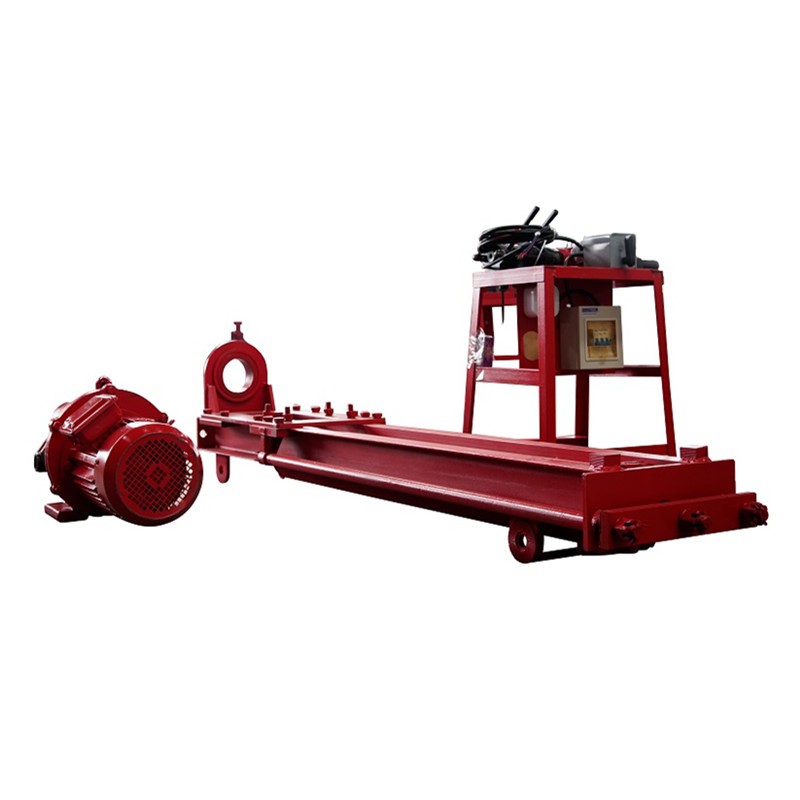
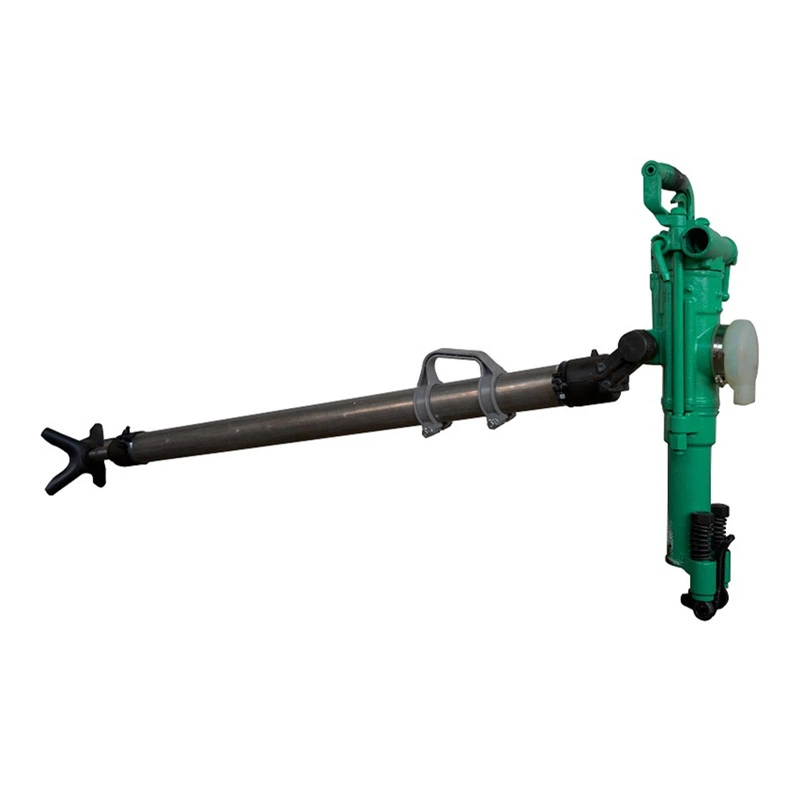
Hey there, folks! I'm a supplier of Dth Rock Drilling Rig, and I know firsthand that the air compressor of a Dth rock drilling rig is like the heart of the whole operation. If it ain't working right, neither is your rig. So, today I'm gonna share some tips on how to maintain the air compressor of your Dth rock drilling rig.
1. Regular Inspection
One of the most important things you can do for your air compressor is to give it a regular once - over. I'm talking about checking the compressor every time you use the rig, or at least a few times a week if it's used frequently.
Check the Oil Level: Just like in your car, the oil in the air compressor is crucial. Low oil levels can cause excessive friction and wear on the compressor's moving parts. You should use the dipstick to check the oil level. If it's below the recommended level, top it up with the right type of oil specified in the compressor's manual. Using the wrong oil can lead to all sorts of problems, like sludge buildup and reduced efficiency.
Inspect Hoses and Connections: Hoses are the lifelines that carry compressed air around the system. Look for any signs of cracks, leaks, or loose connections. A leaky hose not only reduces the efficiency of the compressor but can also be a safety hazard. You can use a simple soapy water solution to check for leaks. Just apply the solution to the hoses and connections, and if you see bubbles forming, you've got a leak. Tighten the connections or replace the hoses as needed.
Examine the Air Filter: The air filter keeps dirt and debris from entering the compressor. A clogged air filter can restrict airflow, making the compressor work harder and reducing its efficiency. Check the air filter regularly and clean or replace it when it gets dirty. If you're working in a dusty environment, you may need to do this more often.
2. Proper Lubrication
Proper lubrication is essential for the smooth operation and longevity of your air compressor. As I mentioned before, make sure you use the right type of oil. The manufacturer's manual will tell you exactly which oil to use based on the compressor's model and operating conditions.

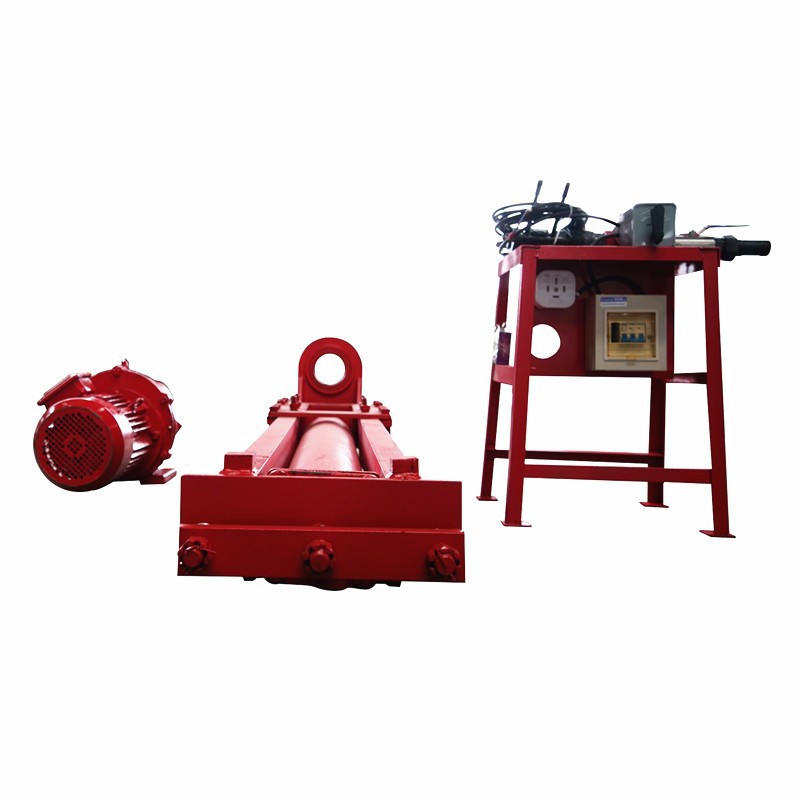
Change the Oil Regularly: Over time, the oil in the compressor will break down and become contaminated with dirt and debris. Changing the oil at regular intervals is crucial. The frequency of oil changes depends on factors like how often you use the compressor and the operating conditions. In general, it's a good idea to change the oil every few hundred hours of operation.
Lubricate Moving Parts: Some air compressors have parts that need to be lubricated separately. These can include bearings, pistons, and valves. Make sure to follow the manufacturer's instructions on how and when to lubricate these parts. Using the right lubricant and applying it correctly will help reduce friction and prevent premature wear.
3. Temperature Control
The air compressor generates a lot of heat during operation, and if the temperature gets too high, it can cause serious damage.
Ensure Adequate Ventilation: The compressor needs good ventilation to dissipate heat. Make sure it's installed in a well - ventilated area, away from walls and other equipment that could block the airflow. You can also use fans or ventilation systems to improve the airflow around the compressor.
Monitor the Temperature: Most air compressors have a temperature gauge. Keep an eye on it during operation. If the temperature starts to rise above the normal range, stop the compressor and let it cool down. Check for any issues that could be causing the overheating, such as a clogged air filter or a malfunctioning cooling system.
4. Pressure Management
Maintaining the right pressure is crucial for the safe and efficient operation of your air compressor.
Set the Right Pressure: The manufacturer's manual will specify the recommended operating pressure for your compressor. Use a pressure gauge to set the pressure correctly. Don't try to operate the compressor at a higher pressure than recommended, as this can put extra strain on the compressor and increase the risk of damage.
Check the Pressure Relief Valve: The pressure relief valve is a safety device that prevents the pressure from getting too high. Test the pressure relief valve regularly to make sure it's working properly. You can do this by slowly increasing the pressure and observing if the valve releases air when it reaches the set pressure. If the valve doesn't work as it should, replace it immediately.
5. Cleanliness
Keeping the air compressor clean is often overlooked but is very important.
Clean the Exterior: Dirt and debris can accumulate on the exterior of the compressor, which can block the ventilation and cause overheating. Use a clean, dry cloth or a soft brush to clean the exterior regularly. You can also use compressed air to blow out any dust or dirt from hard - to - reach areas.
Drain the Condensate: As the air is compressed, water vapor in the air condenses and collects in the compressor's tank. If this water is not drained regularly, it can cause rust and corrosion inside the tank. Most compressors have a drain valve at the bottom of the tank. Open the valve periodically to drain the condensate.
6. Professional Maintenance
Even if you follow all the above steps, it's still a good idea to have your air compressor serviced by a professional regularly. A professional technician has the tools and expertise to spot potential problems before they turn into major issues.
They can perform more in - depth inspections, such as checking the internal components of the compressor, and make any necessary repairs or adjustments. Many manufacturers recommend having the compressor serviced at least once a year, but this may vary depending on the usage and the type of compressor.
Now, if you're in the market for a reliable Dth Rock Drilling Rig or other related equipment like the Mini Borehole Drilling Machine or Pneumatic Drill Rig, don't hesitate to reach out. We're here to provide you with high - quality equipment and the support you need to keep it running smoothly. Whether you're a small contractor or a large mining operation, we've got the right solution for you. Get in touch with us to discuss your requirements and start the procurement process.
References
- Air Compressor Maintenance Guides from leading compressor manufacturers
- Industry best practices for maintenance of Dth rock drilling rig components