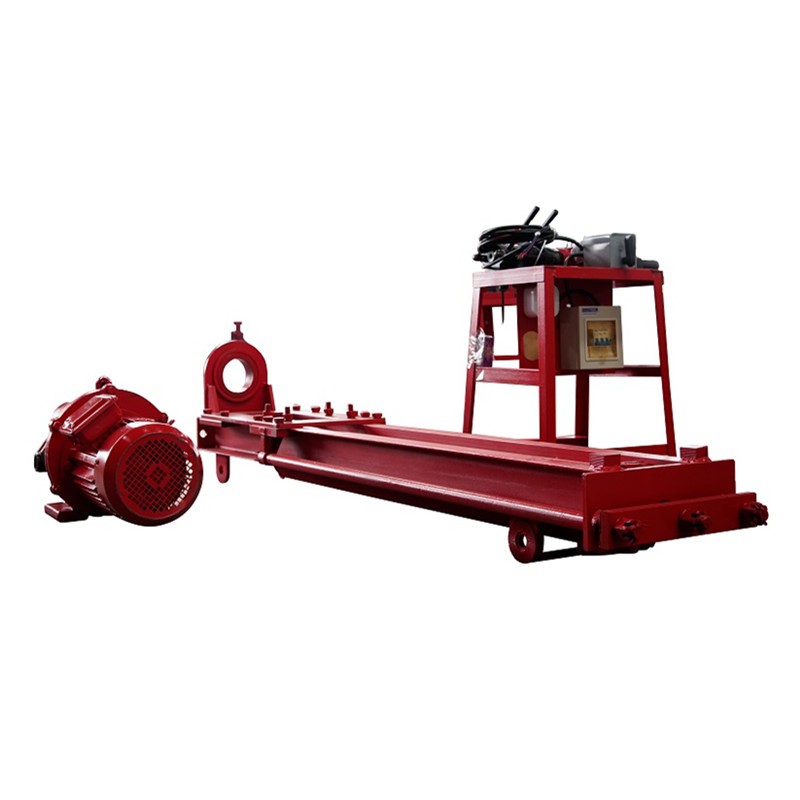
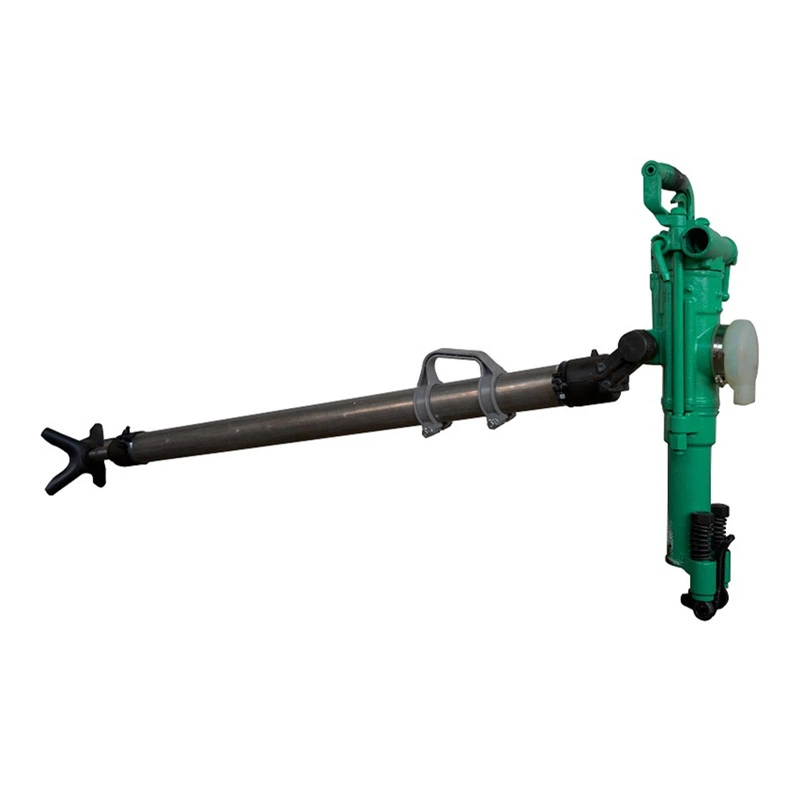
Operating a crawler rock drill is a task that demands high levels of attention and safety awareness due to the machinery's powerful nature and the challenging work environment. As a crawler rock drill supplier, I understand the importance of ensuring that every operator is well - informed about the safety precautions. This blog will detail the key safety measures that should be followed when using a crawler rock drill.
Pre - operation Checks
Before starting any operation, a thorough pre - operation inspection is essential. This process helps in identifying potential issues that could lead to equipment failure or safety hazards during drilling.
Equipment Inspection
First, visually inspect the entire crawler rock drill. Check for any signs of damage, such as cracks in the drill rig structure, especially in the boom, mast, and platform. Look for loose or missing parts, including bolts, nuts, and pins. All these components play a crucial role in the stability and functionality of the machine. For example, a loose bolt on the drill head could cause it to malfunction during operation, leading to inaccurate drilling and potential safety risks.
Inspect the hydraulic system carefully. The hydraulic lines should be free of leaks, and the hydraulic fluid level should be within the recommended range. Low hydraulic fluid can cause the system to overheat and may lead to the failure of hydraulic components, which are critical for the movement and operation of the drill.


The electrical system also requires attention. Ensure that all electrical connections are tight and that there are no exposed wires. Faulty electrical connections can pose a fire risk or cause electrical shocks to the operator.
Drill Tools Inspection
Examine the drill tools, such as the drill bit and drill rod. The drill bit should be in good condition, with no excessive wear or damage. A worn - out drill bit can make the drilling process more difficult, increase the strain on the machine, and potentially lead to the bit breaking off during operation. Inspect the drill rod for straightness and any signs of damage. A bent drill rod can cause instability during drilling and may affect the accuracy of the hole.
Site Inspection
The work site also needs a comprehensive inspection. Identify the terrain and geology of the area. Steep slopes, unstable ground, or areas prone to landslides require special considerations. If the site is on a slope, ensure that the crawler rock drill has proper leveling devices and that the machine is set up on a stable base.
Check for any underground utilities, such as water pipes, gas lines, or electrical cables. Drilling into these utilities can cause serious damage, disrupt services, and create dangerous situations. Use appropriate detection equipment to locate these utilities before starting to drill. Clear the work area of any debris, rocks, or other obstacles that could interfere with the movement of the drill rig or cause tripping hazards for the operator.
Personal Protective Equipment (PPE)
Wearing the appropriate PPE is one of the most fundamental safety precautions when operating a crawler rock drill.
Helmets
A helmet is essential to protect the operator's head from falling objects, such as rocks or debris during drilling. It also provides protection in case of accidental collisions with the rig's structure. Ensure that the helmet fits properly and meets the relevant safety standards.
Safety Glasses
Safety glasses protect the eyes from flying particles, dust, and debris. Drilling can generate a significant amount of dust and small rock fragments, which can cause serious eye injuries. The safety glasses should have side shields to provide comprehensive protection.
Ear Protection
Crawler rock drills are extremely noisy machines. Prolonged exposure to high - level noise can cause hearing loss. Operators should wear earplugs or earmuffs that are rated to reduce the noise level to a safe range.
Gloves
Gloves are necessary to protect the hands from cuts, abrasions, and chemical exposure. When handling drill tools or operating the control levers, the hands are at risk of being injured. Choose gloves that are suitable for the task, such as cut - resistant gloves for handling sharp drill bits and chemical - resistant gloves if there is a risk of contact with hydraulic fluids or other chemicals.
Safety Boots
Safety boots with steel toes and slip - resistant soles are a must. The steel toes protect the feet from being crushed by heavy objects, while the slip - resistant soles prevent slips and falls on the often uneven and slippery work surfaces.
Operation Safety
Machine Operation
When starting the crawler rock drill, follow the manufacturer's instructions carefully. Ensure that all control levers are in the neutral position before starting the engine. This helps prevent accidental movement of the machine.
During operation, maintain a proper distance from the drill bit. The rotating drill bit can cause serious injuries if the operator gets too close. Keep hands, feet, and clothing away from the moving parts of the machine, such as the drill head, chain drives, and hydraulic cylinders.
Monitor the machine's performance continuously. Pay attention to any unusual noises, vibrations, or changes in the drilling process. Unusual noises could indicate a mechanical problem, while excessive vibrations may suggest an issue with the drill bit or the stability of the machine. If any problems are detected, stop the operation immediately and investigate the cause.
Drilling Process
Select the appropriate drilling parameters based on the type of rock and the drilling requirements. Using incorrect drilling parameters, such as excessive drilling pressure or high rotation speed, can cause the drill bit to wear out quickly, damage the machine, and increase the risk of accidents.
When changing the drill bit or drill rod, follow the correct procedures. Make sure the machine is stopped and the power is turned off. Use the appropriate tools to loosen and tighten the connections. Improper handling during tool changes can lead to injuries and damage to the equipment.
Post - operation Safety
Machine Shutdown
After the drilling operation is completed, shut down the crawler rock drill properly. Follow the manufacturer's instructions for shutting off the engine, hydraulic system, and electrical system. Make sure all control levers are in the neutral position.
Equipment Maintenance
Conduct regular maintenance on the crawler rock drill. This includes cleaning the machine to remove dust and debris, lubricating moving parts, and checking and replacing worn - out components. Proper maintenance not only extends the service life of the machine but also ensures its safe operation in future use.
Storage
Store the crawler rock drill in a safe and dry place. Protect it from the elements and unauthorized access. If the machine is going to be stored for an extended period, take additional measures such as covering it with a tarpaulin and removing the battery or disconnecting the power supply to prevent damage.
Conclusion
Operating a crawler rock drill safely requires a combination of pre - operation checks, proper use of PPE, careful operation, and post - operation maintenance. As a [Crawler Rock Drill Supplier], we are committed to providing high - quality FMT Crawler Drill, Drill Rig Crawler, and Crawler Rock Drilling Rig products and also ensuring that our customers are well - informed about safety precautions.
If you are interested in purchasing our crawler rock drills or have any questions about safety or operation, please feel free to contact us for a detailed discussion and procurement negotiation. We are here to provide you with the best solutions and support.
References
- "Safety Guidelines for Drilling Equipment Operation" published by an industry safety organization.
- Manufacturer's operation and maintenance manuals for crawler rock drills.