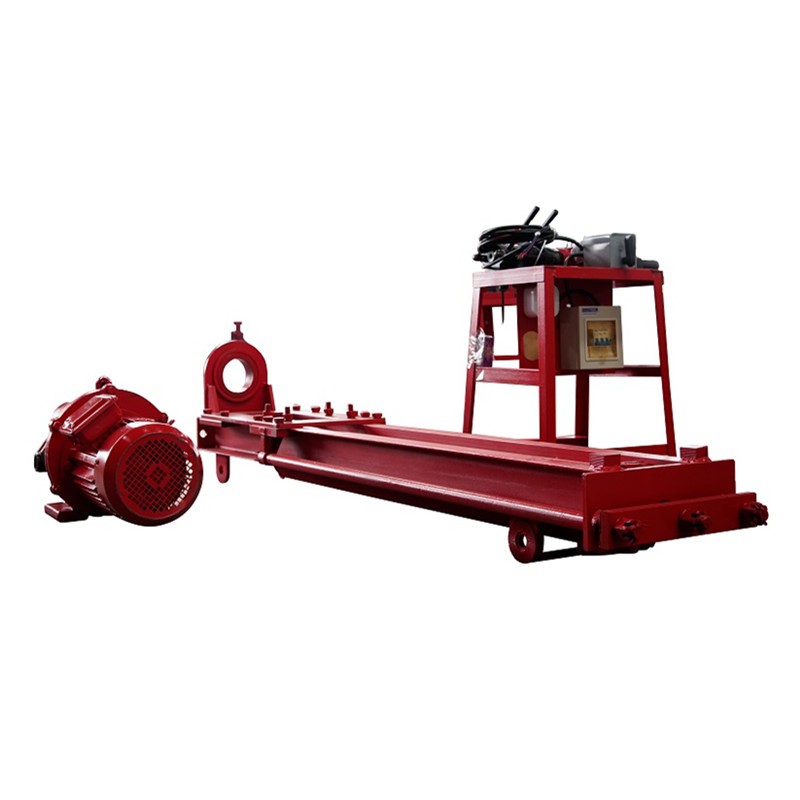
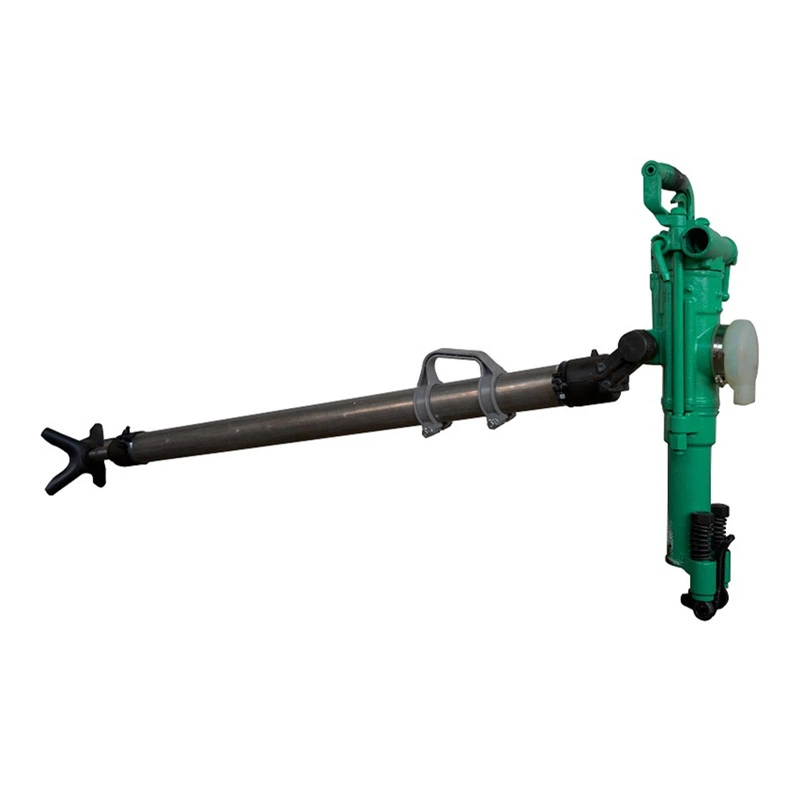
Hey there! As a supplier of crawler and drilling rigs, I often get asked about how to choose the appropriate stabilizer for these machines. It's a crucial decision that can significantly impact the performance, safety, and efficiency of your crawler and drilling rig operations. So, let's dive right in and explore the key factors you need to consider when making this choice.
Understanding the Role of Stabilizers
First things first, let's talk about what stabilizers do. Stabilizers are essential components of crawler and drilling rigs. Their main job is to provide stability and support to the rig during operation. When a drilling rig is working, it generates a lot of vibrations and forces. Without proper stabilization, these forces can cause the rig to tip over or become unstable, which is not only dangerous but can also lead to costly damage to the equipment and the surrounding area.
Stabilizers work by extending out from the rig and making contact with the ground. They distribute the weight of the rig evenly, reducing the pressure on the tracks or wheels and preventing the rig from shifting or tilting. This allows the rig to operate more smoothly and accurately, especially when drilling at different angles or in challenging terrain.
Types of Stabilizers
There are several types of stabilizers available for crawler and drilling rigs, each with its own advantages and disadvantages. The most common types include hydraulic stabilizers, mechanical stabilizers, and pneumatic stabilizers.
-
Hydraulic Stabilizers: These are the most widely used type of stabilizers in crawler and drilling rigs. Hydraulic stabilizers use hydraulic cylinders to extend and retract the stabilizer legs. They offer several benefits, such as high lifting capacity, precise control, and quick response times. Hydraulic stabilizers can be adjusted to different heights and angles, making them suitable for a wide range of applications. However, they can be more expensive to install and maintain compared to other types of stabilizers.
-
Mechanical Stabilizers: Mechanical stabilizers use a system of gears, levers, and screws to extend and retract the stabilizer legs. They are relatively simple in design and are often more affordable than hydraulic stabilizers. Mechanical stabilizers are suitable for smaller rigs or applications where the load requirements are not too high. However, they may require more manual effort to operate and may not offer the same level of precision and control as hydraulic stabilizers.
-
Pneumatic Stabilizers: Pneumatic stabilizers use compressed air to extend and retract the stabilizer legs. They are lightweight, easy to install, and require minimal maintenance. Pneumatic stabilizers are often used in applications where weight is a concern, such as on portable drilling rigs. However, they may have a lower lifting capacity compared to hydraulic or mechanical stabilizers and may not be suitable for heavy-duty applications.
Factors to Consider When Choosing a Stabilizer
Now that you know the different types of stabilizers available, let's discuss the key factors you need to consider when choosing the appropriate stabilizer for your crawler and drilling rig.
1. Rig Size and Weight
The size and weight of your crawler and drilling rig are important factors to consider when choosing a stabilizer. Larger and heavier rigs will require stabilizers with a higher lifting capacity to ensure stability. You need to make sure that the stabilizer you choose can support the weight of the rig, as well as any additional equipment or loads that may be on the rig during operation.
2. Terrain and Ground Conditions
The terrain and ground conditions where you will be operating your crawler and drilling rig also play a crucial role in choosing the right stabilizer. If you will be working on soft or uneven ground, you may need stabilizers with a larger footprint or adjustable legs to ensure stability. On the other hand, if you will be working on hard or rocky ground, you may need stabilizers with a more robust design to withstand the impact and pressure.
3. Drilling Angle and Depth
The drilling angle and depth can also affect the choice of stabilizer. When drilling at a steep angle or to a greater depth, the rig will generate more lateral forces, which can put additional stress on the stabilizers. You need to choose stabilizers that can handle these forces and provide sufficient support to keep the rig stable.
4. Mobility and Transportability
If you need to move your crawler and drilling rig frequently, you may want to consider stabilizers that are easy to install and remove. Some stabilizers can be quickly detached from the rig, making it easier to transport the rig to different job sites. Additionally, you may want to choose stabilizers that are lightweight and do not add too much extra weight to the rig, as this can affect its mobility and fuel efficiency.
5. Cost and Maintenance
Cost is always an important factor to consider when making any purchasing decision. You need to balance the cost of the stabilizer with its performance and durability. While hydraulic stabilizers may offer better performance, they can also be more expensive to purchase and maintain. Mechanical and pneumatic stabilizers may be more affordable upfront, but they may require more frequent maintenance or replacement parts.
Our Crawler and Drilling Rigs
At our company, we offer a wide range of crawler and drilling rigs, including the FMT Crawler Drill, Pneumatic Crawler Drill, and Rotary Drilling Rig Crawler. These rigs are designed to meet the diverse needs of our customers and are equipped with high-quality stabilizers to ensure optimal performance and safety.
Our experts can help you choose the appropriate stabilizer for your specific rig and application. We take into account all the factors mentioned above, as well as your budget and operational requirements, to recommend the best stabilizer solution for you. Whether you need a hydraulic stabilizer for heavy-duty applications or a pneumatic stabilizer for a portable rig, we have the expertise and products to meet your needs.
Conclusion
Choosing the appropriate stabilizer for your crawler and drilling rig is a critical decision that can have a significant impact on the success of your operations. By considering factors such as rig size and weight, terrain and ground conditions, drilling angle and depth, mobility and transportability, and cost and maintenance, you can make an informed choice that will ensure the stability, safety, and efficiency of your rig.
If you're interested in learning more about our crawler and drilling rigs or need help choosing the right stabilizer, don't hesitate to get in touch with us. We're here to assist you with all your drilling rig needs and look forward to discussing your requirements and finding the perfect solution for you.


References
- Drilling Rig Handbook, various industry publications
- Manufacturer's specifications for crawler and drilling rigs and stabilizers