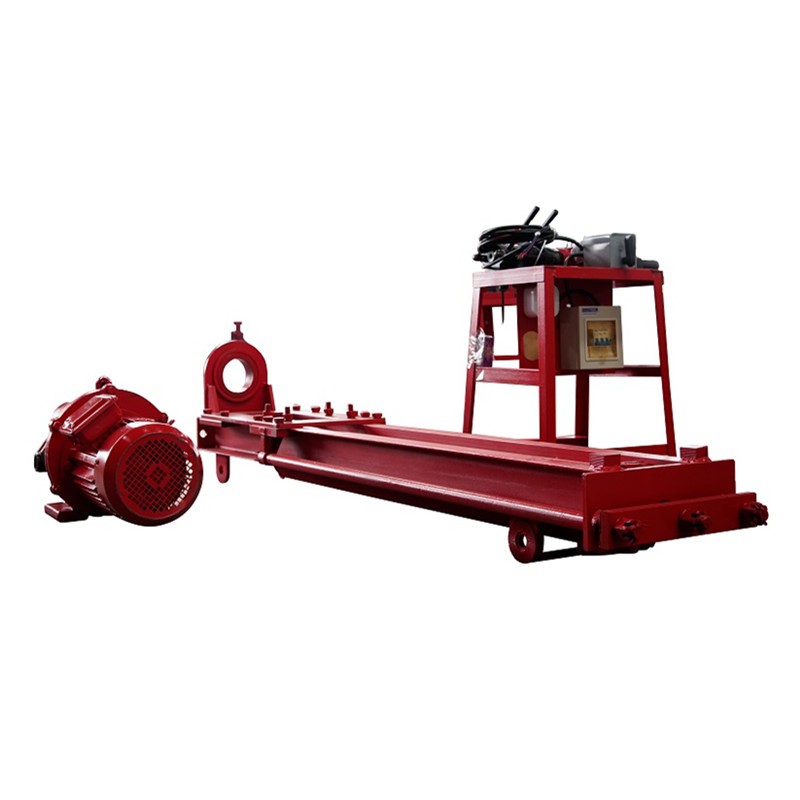
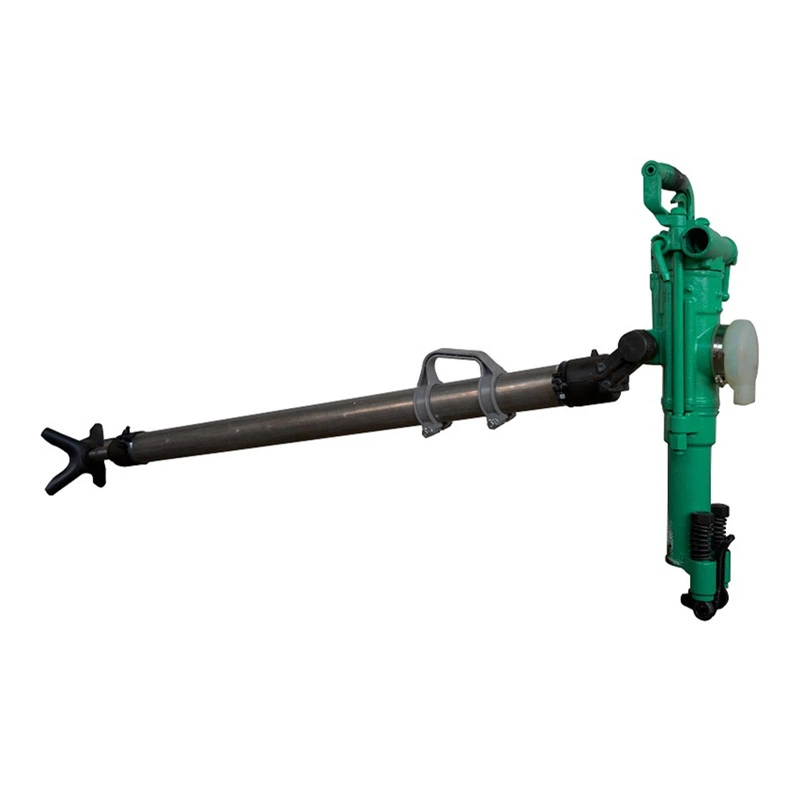
Hey there! As a supplier of Crawler Rock Drills, I've had my fair share of experiences when it comes to transporting these heavy-duty machines. In this blog, I'm gonna share some tips and tricks on how to transport a crawler rock drill safely and efficiently.
First things first, why is proper transportation so important? Well, crawler rock drills are expensive and delicate pieces of equipment. If they're not transported correctly, they can get damaged, which not only costs you money but also delays your projects. So, let's dive into the steps you need to take to ensure a smooth transport.
Pre - Transport Preparation
Before you even think about moving the crawler rock drill, you need to do a thorough inspection. Check for any loose parts, leaks, or signs of damage. Tighten any loose bolts and nuts, and make sure all the hydraulic hoses are properly secured. You don't want anything falling off during transit.
Next, you'll need to clean the drill. Remove any dirt, debris, or rock dust that might have accumulated on the machine. This not only makes it look better but also helps you spot any potential issues more easily.
It's also a good idea to drain the fuel and hydraulic fluids to a safe level. This reduces the weight of the machine and minimizes the risk of spills during transport. However, make sure to follow all the safety guidelines when handling these fluids.
Choosing the Right Transport Method
There are a few different ways to transport a crawler rock drill, and the method you choose depends on several factors, such as the distance, the size of the drill, and the terrain.
Flatbed Trucks
Flatbed trucks are a popular choice for transporting crawler rock drills. They offer a large, flat surface that can accommodate the size and weight of the drill. When using a flatbed truck, you need to make sure the drill is properly secured. Use heavy - duty straps or chains to tie down the machine at multiple points. Make sure the straps are tight and won't come loose during the journey.
Lowboy Trailers
For longer distances or when you need to transport multiple crawler rock drills at once, lowboy trailers are a great option. They have a lower deck height, which makes it easier to load and unload the drills. They also provide better stability on the road. Just like with flatbed trucks, proper securing of the drill is crucial.
Specialized Transport Companies
If you're not experienced in transporting heavy equipment, you might want to consider hiring a specialized transport company. These companies have the expertise and the right equipment to handle crawler rock drills safely. They can also take care of all the paperwork, such as permits and insurance.
Loading the Crawler Rock Drill
Loading the drill onto the transport vehicle is a critical step. You need to do it carefully to avoid any damage.
Use a Ramp
Most of the time, you'll need to use a ramp to load the crawler rock drill onto the truck or trailer. Make sure the ramp is strong enough to support the weight of the drill and is properly secured. Drive the drill slowly up the ramp, keeping it centered to prevent it from tipping over.
Positioning on the Vehicle
Once the drill is on the vehicle, position it carefully. Try to keep the center of gravity of the drill as close to the center of the vehicle as possible. This helps maintain stability during transport.
Securing the Crawler Rock Drill
Securing the drill is one of the most important steps in the transport process. You need to make sure it won't move or shift during the journey.
Straps and Chains
Use high - quality straps and chains to secure the drill. Attach them to the designated tie - down points on the drill and the transport vehicle. Make sure the straps are tightened evenly to prevent the drill from twisting or turning.
Additional Supports
In some cases, you might need to use additional supports, such as blocks or wedges, to keep the drill in place. These can help prevent any movement in case of sudden stops or turns.
During Transport
During the transport, there are a few things you need to keep in mind.
Monitor the Load
If possible, have someone monitor the load during the journey. They can check for any signs of movement or damage and alert the driver if there are any issues.
Follow Speed Limits
Make sure the driver follows all the speed limits and traffic rules. High speeds can increase the risk of the drill shifting or getting damaged.


Check the Straps Regularly
Stop periodically to check the straps and chains. Make sure they're still tight and in good condition. If you notice any looseness or damage, tighten or replace the straps immediately.
Unloading the Crawler Rock Drill
Unloading the drill is just as important as loading it.
Reverse the Loading Process
Use the same ramp and follow the same safety procedures as when loading. Drive the drill slowly down the ramp, keeping it centered.
Inspect the Drill Again
Once the drill is unloaded, inspect it again for any damage that might have occurred during transport. If you find any issues, document them and contact your insurance company if necessary.
Now, if you're in the market for a Crawler Rock Drill, we've got you covered. We offer a wide range of high - quality Crawler Rock Drill that are built to last. Our Nylon Drill Rig Crawler is known for its durability and performance, and our Crawler Anchor Drilling Rig is perfect for various drilling applications.
If you're interested in learning more about our products or have any questions about transporting crawler rock drills, feel free to reach out to us. We're here to help you make the right choice and ensure a smooth transport process.
References
- Construction Equipment Handbook
- Heavy - Duty Equipment Transport Guidelines