Hey there! I'm a supplier of Compact Rock Drill Rigs, and I often get asked about how to transport these rigs safely. It's a crucial aspect that can't be overlooked, as improper transportation can lead to damage to the equipment and even pose risks to people. So, let's dive right into it and explore the steps and considerations for safely transporting a compact rock drill rig.
Pre - Transport Preparation
First things first, you gotta do a thorough inspection of the drill rig. Check for any loose parts, damaged components, or leaks. Make sure all the nuts, bolts, and screws are tightened properly. This is not just about preventing parts from falling off during transit but also ensuring that the rig is in good working condition when it reaches its destination.
Next, clean the rig. Remove any dirt, debris, or rock dust that might have accumulated on it. This not only makes it easier to handle but also helps in identifying any hidden damages. You don't want to transport a dirty rig and then find out later that there's a scratch or dent that was covered by dirt.
It's also a good idea to drain all the fluids, such as fuel, hydraulic oil, and coolant, if possible. This reduces the weight of the rig and minimizes the risk of spills during transportation. However, make sure you follow the proper procedures for draining and storing these fluids.
Choosing the Right Transport Vehicle
The type of vehicle you choose for transporting the compact rock drill rig depends on the size and weight of the rig. For smaller rigs, a flat - bed truck or a trailer might be sufficient. But for larger ones, you may need a specialized heavy - haul vehicle.
When selecting a transport vehicle, consider its load - carrying capacity. You don't want to overload the vehicle, as this can lead to mechanical problems and increase the risk of accidents. Also, check the condition of the vehicle, including its brakes, tires, and suspension. A well - maintained vehicle is essential for a safe journey.
If you're using a trailer, make sure it has a proper braking system and is equipped with safety chains. The chains should be strong enough to hold the rig in place in case of an emergency stop.
Securing the Drill Rig
Once you've chosen the transport vehicle, it's time to secure the drill rig properly. Start by positioning the rig on the vehicle or trailer. Make sure it's centered and balanced to prevent it from shifting during transit.
Use high - quality straps or chains to secure the rig. Wrap the straps or chains around the sturdy parts of the rig, such as the frame or the skids. Tighten them as much as possible to ensure a firm hold. You can also use rubber pads or blocks to prevent the straps or chains from scratching the surface of the rig.
For added security, consider using corner protectors. These protect the edges of the rig from damage and also help in distributing the pressure evenly when the straps are tightened.
Loading and Unloading
Loading and unloading the compact rock drill rig are critical steps. Use appropriate equipment, such as a forklift or a crane, to lift the rig onto the transport vehicle. Make sure the equipment is in good working condition and has the necessary capacity to handle the weight of the rig.
When loading, take your time and be careful not to hit the rig against the vehicle or other objects. Once the rig is on the vehicle, double - check the securing straps or chains.
Unloading should be done in a similar careful manner. Make sure the area where you're unloading the rig is flat and stable. Follow the same safety procedures as you did during loading.
During Transport
During the transport, it's important to drive carefully. Avoid sudden stops, starts, and turns. These can cause the rig to shift and potentially damage it. Also, keep an eye on the speed limit and road conditions. Bad weather or rough roads can increase the risk of damage to the rig.
If you're making a long - distance journey, make regular stops to check the rig and the securing straps or chains. Make sure everything is still in place and there are no signs of damage or loosening.


Special Considerations for Different Types of Rock Drill Rigs
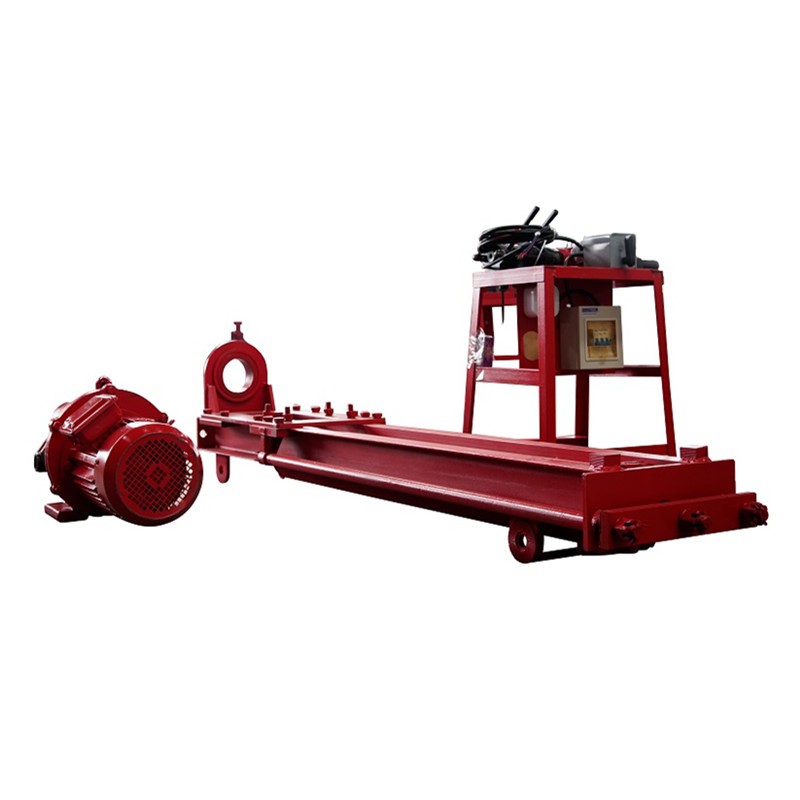
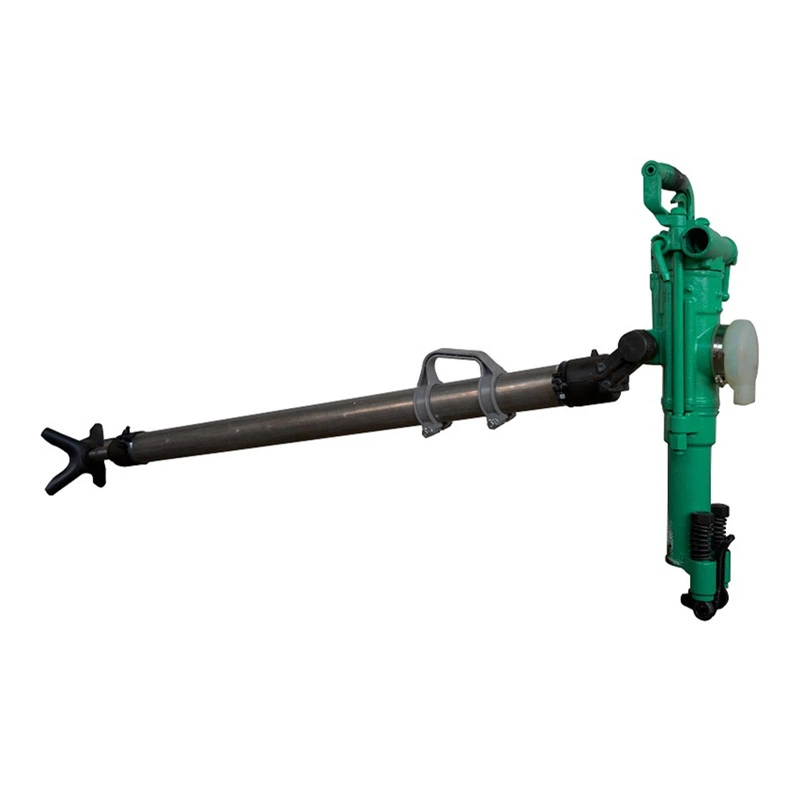
We offer different types of compact rock drill rigs, such as the Pusher Leg Rock Drill, Dth Rock Drilling Rig, and Hand Held Rock Drilling Machine. Each type may have specific requirements for transportation.
For example, the pusher leg rock drill is relatively smaller and lighter, but it still needs to be secured properly to prevent any movement during transit. The Dth rock drilling rig, on the other hand, is often larger and heavier, so you need to pay extra attention to the load - carrying capacity of the transport vehicle and the strength of the securing mechanisms. The hand - held rock drilling machine is more portable, but it should be protected from impacts and vibrations.
Insurance and Documentation
Before transporting the compact rock drill rig, make sure you have the appropriate insurance coverage. This protects you in case of any damage or loss during transit. Also, keep all the necessary documentation, such as the bill of lading, registration papers, and maintenance records, with you. These documents can be useful in case of any disputes or inspections.
Conclusion
Transporting a compact rock drill rig safely requires careful planning, proper equipment, and attention to detail. By following the steps and considerations outlined above, you can minimize the risk of damage to the rig and ensure a safe journey.
If you're in the market for a high - quality compact rock drill rig, we're here to help. We offer a wide range of rigs that are designed for efficiency and durability. Whether you need a pusher leg rock drill, a Dth rock drilling rig, or a hand - held rock drilling machine, we've got you covered.
If you have any questions about our products or need more information on transporting rock drill rigs, feel free to reach out. We're always happy to assist you in making the right choice for your drilling needs.
References
- Industry best practices for heavy equipment transportation
- Manufacturer's guidelines for compact rock drill rigs