Hey there! As a rock drill supplier, I often get asked a bunch of questions about using our equipment in different conditions. One question that pops up quite a bit is, "Can a rock drill be used in low - temperature environments?" Well, let's dig into this topic and find out.
First off, we need to understand what low - temperature environments can do to a rock drill. When it's cold, a lot of things change in the physical properties of the materials that make up the rock drill. For example, the lubricants that keep the moving parts of the drill running smoothly can thicken. If the lubricant gets too thick, it won't flow properly. This means that the parts of the drill that need to move freely, like the pistons and gears, might not work as well. They could experience more friction, which can lead to faster wear and tear. And nobody wants their expensive rock drill to break down prematurely, right?
Another issue is the impact on the metal components of the rock drill. Cold temperatures can make metals more brittle. When a rock drill is in operation, it's under a lot of stress. The constant hammering and vibrations put pressure on the metal parts. If the metal is brittle due to the cold, there's a higher risk of cracks forming. These cracks can start small but over time, they can grow and cause the part to fail completely. That's a major headache for anyone using the drill.
But hey, don't lose hope just yet! There are ways to make sure your rock drill can handle low - temperature environments. One of the most important things is proper maintenance. Before you take your drill out into the cold, make sure it's in top - notch condition. Check the lubricant levels and make sure you're using a lubricant that's designed for cold temperatures. These special lubricants are formulated to stay fluid even when it's freezing outside.
You also need to pay attention to the storage of the rock drill. When it's not in use, keep it in a warm place. If you're working in a really cold area, you might even want to use a heating system to keep the drill at a reasonable temperature. This helps prevent the metal from getting too cold and brittle.
Now, let's talk about the different types of rock drills we offer and how they can perform in low - temperature environments.
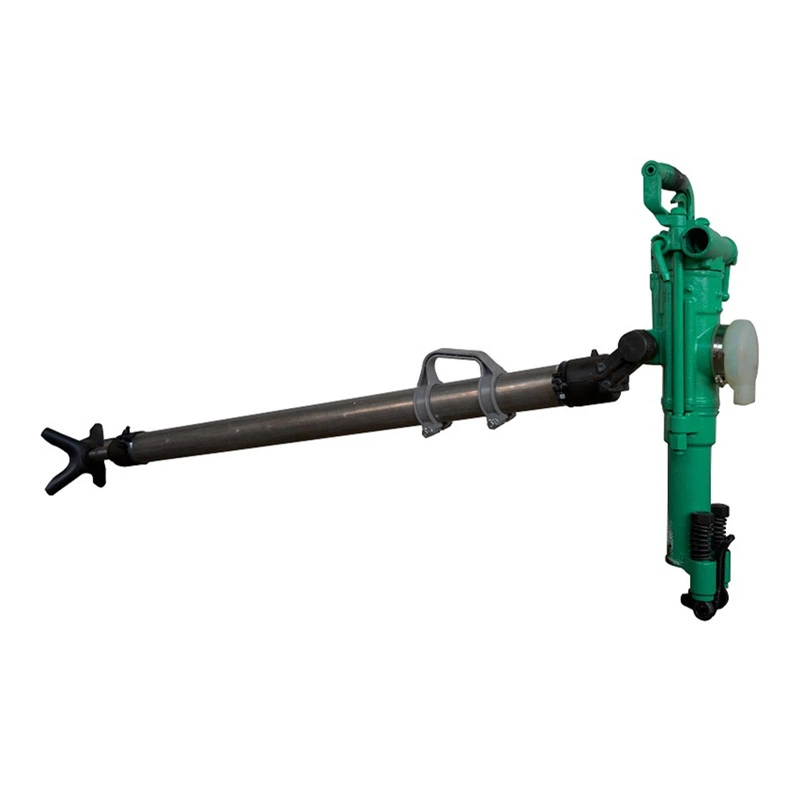
We have the Pusher Leg Rock Drill. This type of drill is great for a variety of applications. It's relatively lightweight and easy to maneuver. In low - temperature environments, the key is to make sure the leg mechanism, which helps support and position the drill, doesn't freeze up. The moving parts in the leg need to be well - lubricated with cold - resistant lubricant. With proper care, the Pusher Leg Rock Drill can still do a great job even when it's cold outside.
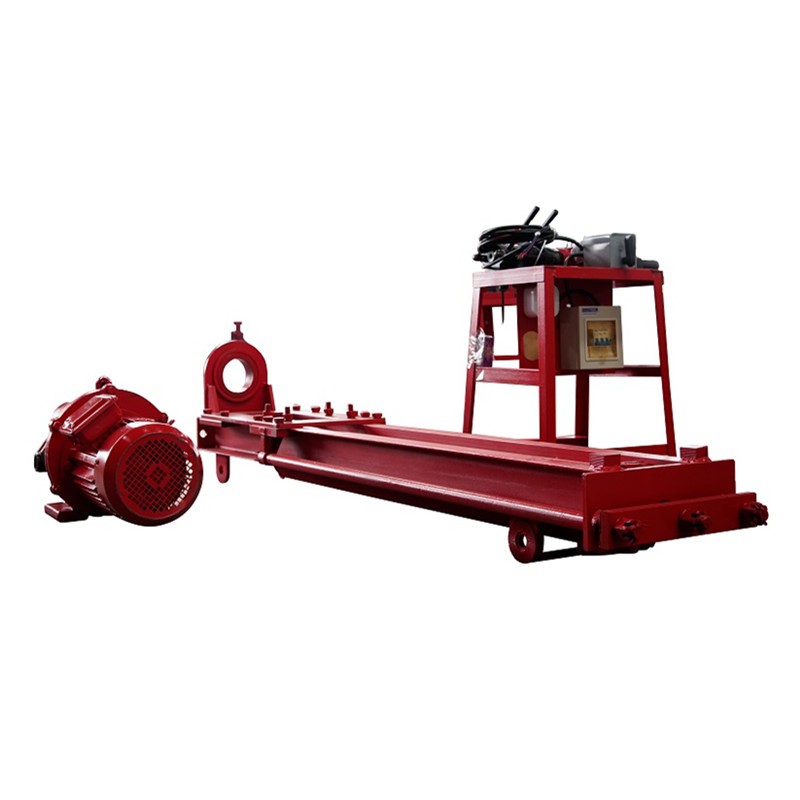
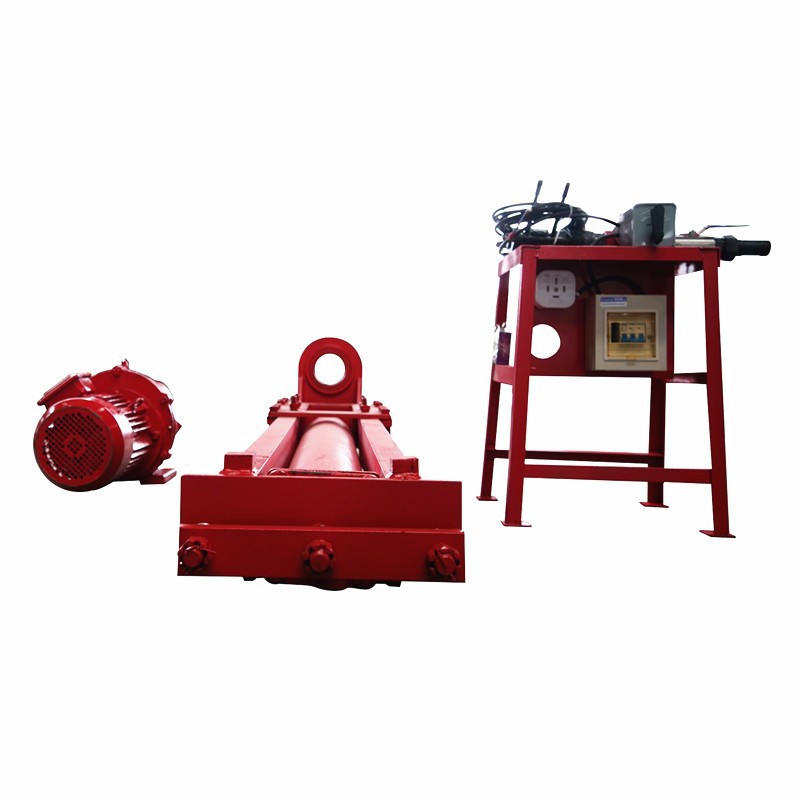
Then there's the Mini Borehole Drilling Machine. This machine is perfect for smaller drilling jobs. It's compact and can be transported easily. However, in cold temperatures, the electrical components of the machine need to be monitored closely. Cold can affect the battery performance and the functionality of the control systems. We recommend using insulated covers to keep these components warm and protected.
Our Compact Rock Drill Rigs are a bit more heavy - duty. They're designed for larger projects and can handle tougher rocks. In low - temperature environments, the hydraulic systems in these rigs are a critical area. Hydraulic fluids can thicken in the cold, which can affect the performance of the drill. Using a hydraulic fluid with a low - temperature rating is essential. Also, pre - heating the hydraulic system before starting the drill can help get things moving smoothly.
In some cases, we've seen customers modify their rock drills to better suit low - temperature conditions. For example, they might add insulation to the drill body to keep the internal components warmer. Others have installed heaters in the lubricant reservoirs to prevent the lubricant from thickening. These are all great ideas, but it's important to make sure any modifications are done safely and don't void the warranty of the drill.

So, to answer the question, yes, a rock drill can be used in low - temperature environments, but it requires some extra care and attention. If you're planning to use our rock drills in cold conditions, we're here to help. We can provide you with all the information you need about proper maintenance, the right lubricants, and any other tips to keep your drill running smoothly.
If you're interested in purchasing any of our rock drills or have more questions about using them in low - temperature environments, don't hesitate to reach out. We're always happy to have a chat and help you find the best solution for your needs. Whether you're a small contractor working on a local project or a large mining company, we've got the right rock drill for you.
In conclusion, with the right approach, low - temperature environments don't have to be a deal - breaker when it comes to using rock drills. Just take the necessary precautions and you'll be able to get the job done efficiently and effectively.
References
- Engineering textbooks on material properties in cold environments
- Manufacturer's manuals for rock drill equipment