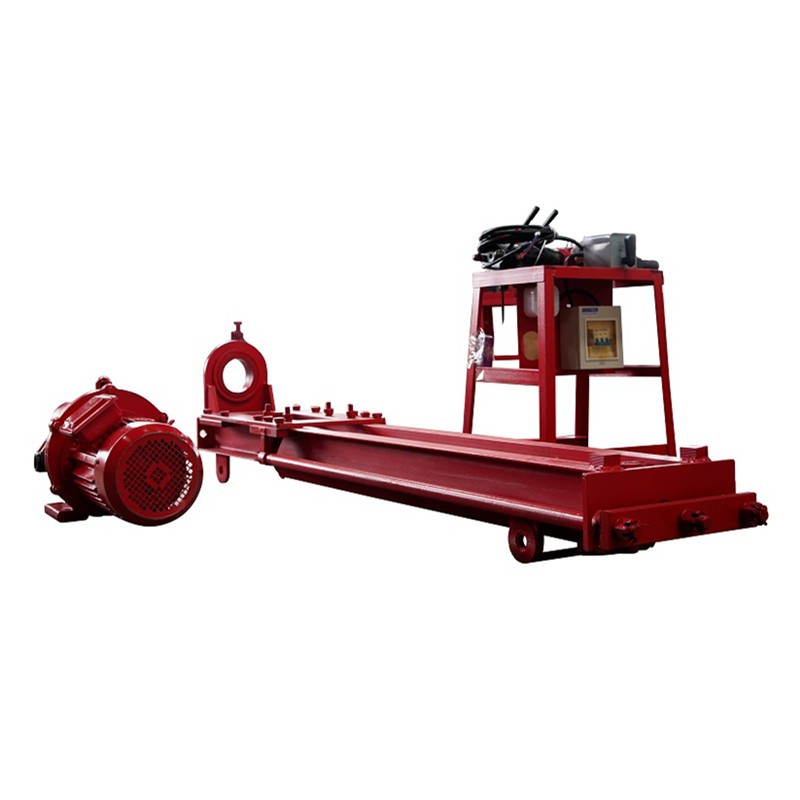
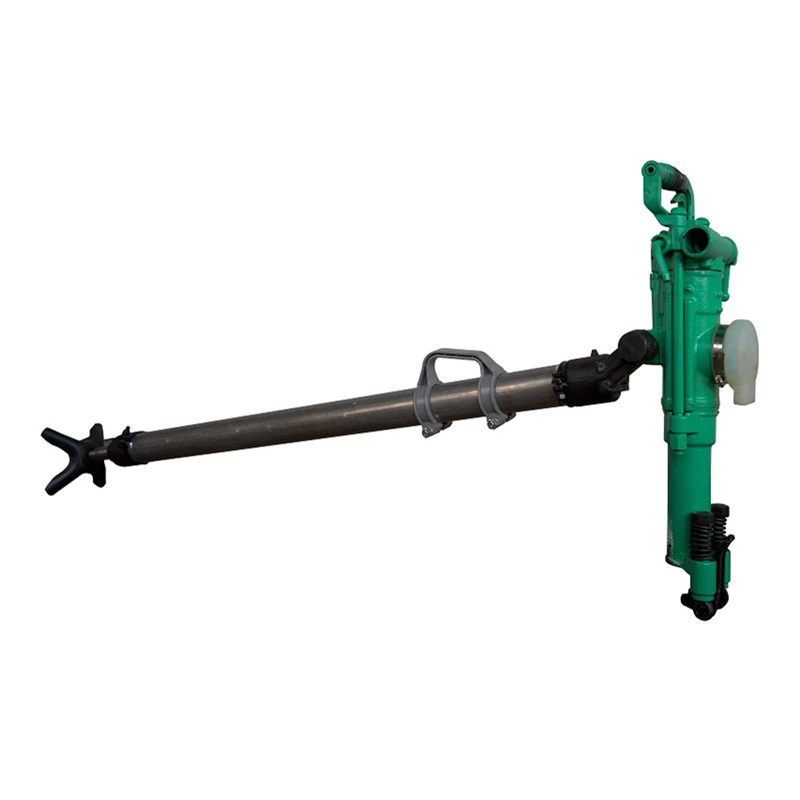
Emergency stop features are critical components of crawler drill rigs, ensuring the safety of operators and the protection of equipment. As a leading supplier of crawler drill rigs, we understand the importance of these features and have incorporated advanced technologies to meet the highest safety standards. In this blog, we will explore the various emergency stop features of our crawler drill rigs and their significance in different drilling operations.
1. Manual Emergency Stop Buttons
One of the most basic yet essential emergency stop features is the manual emergency stop button. These buttons are strategically placed throughout the drill rig, including the operator's cab, control panels, and other accessible locations. When pressed, the manual emergency stop button immediately cuts off the power supply to the drill rig's main components, such as the engine, hydraulic system, and drilling mechanism. This rapid shutdown prevents further operation of the drill rig and stops any ongoing drilling activities.
The manual emergency stop button is designed to be easily accessible and distinguishable, usually colored bright red for high visibility. In an emergency situation, such as a mechanical failure, a sudden hazard, or an operator error, the operator can quickly reach for the button and activate the emergency stop. This feature provides a reliable and immediate response to critical situations, minimizing the risk of accidents and damage to the equipment.
2. Remote Emergency Stop Systems
In addition to the manual emergency stop buttons, our crawler drill rigs are equipped with remote emergency stop systems. These systems allow the operator to activate the emergency stop from a distance, providing an extra layer of safety and convenience. The remote emergency stop system typically consists of a handheld transmitter and a receiver installed on the drill rig.
The handheld transmitter is a compact and portable device that can be carried by the operator or other personnel on the job site. In case of an emergency, the operator can press the emergency stop button on the transmitter, sending a signal to the receiver on the drill rig. The receiver then triggers the emergency stop mechanism, cutting off the power supply and stopping the drill rig's operation.
Remote emergency stop systems are particularly useful in large drilling sites or situations where the operator may not be able to reach the manual emergency stop button quickly. For example, in open-pit mining operations, the operator may be working at a distance from the drill rig, monitoring the drilling process from a control center. With the remote emergency stop system, the operator can immediately stop the drill rig in case of an emergency, even if they are not physically present near the equipment.
3. Safety Interlock Systems
Safety interlock systems are another important emergency stop feature of our crawler drill rigs. These systems are designed to prevent the drill rig from operating under unsafe conditions by interlocking various components and functions. The safety interlock system continuously monitors the status of the drill rig's components, such as the engine, hydraulic system, drilling mechanism, and safety guards, and ensures that they are functioning properly before allowing the drill rig to operate.
For example, the safety interlock system may prevent the drill rig from starting if the safety guards are not properly closed or if the hydraulic pressure is too low. If a fault is detected in any of the monitored components, the safety interlock system will automatically activate the emergency stop, cutting off the power supply and stopping the drill rig's operation. This feature helps to prevent accidents caused by improper operation or equipment malfunctions, ensuring the safety of the operator and the integrity of the equipment.
4. Overload Protection
Overload protection is a crucial emergency stop feature that protects the drill rig's components from damage caused by excessive loads. During drilling operations, the drill rig may encounter unexpected resistance or obstacles, which can cause the drilling mechanism to experience excessive torque or force. If the load exceeds the rated capacity of the drill rig's components, it can lead to mechanical failures, such as broken drill bits, damaged gears, or hydraulic system failures.
To prevent these issues, our crawler drill rigs are equipped with overload protection systems. These systems continuously monitor the load on the drilling mechanism and other critical components and automatically activate the emergency stop if the load exceeds a pre-set limit. The overload protection system may use sensors to measure the torque, force, or power consumption of the drilling mechanism and compare it to the rated capacity of the equipment. If the measured value exceeds the limit, the system will send a signal to the control unit, which will then trigger the emergency stop.
Overload protection not only protects the drill rig's components from damage but also ensures the safety of the operator. By preventing mechanical failures and breakdowns, the overload protection system reduces the risk of accidents and injuries on the job site.
5. Fire and Gas Detection Systems
Fire and gas detection systems are essential emergency stop features for crawler drill rigs operating in hazardous environments. In drilling operations, there is a risk of fire or gas leaks, which can pose a serious threat to the safety of the operator and the equipment. To detect and respond to these hazards, our crawler drill rigs are equipped with fire and gas detection systems.
The fire detection system typically consists of smoke detectors, heat detectors, and flame detectors installed in critical areas of the drill rig, such as the engine compartment, hydraulic system, and drilling mechanism. These detectors continuously monitor the environment for signs of fire, such as smoke, heat, or flames. If a fire is detected, the fire detection system will trigger an alarm and activate the emergency stop, cutting off the power supply and stopping the drill rig's operation.
The gas detection system, on the other hand, is designed to detect the presence of hazardous gases, such as methane, carbon monoxide, or hydrogen sulfide, in the air. The gas detectors are installed in areas where gas leaks are likely to occur, such as the drill bit, the mud circulation system, and the exhaust system. If a gas leak is detected, the gas detection system will trigger an alarm and activate the emergency stop, preventing the drill rig from operating in a hazardous environment.
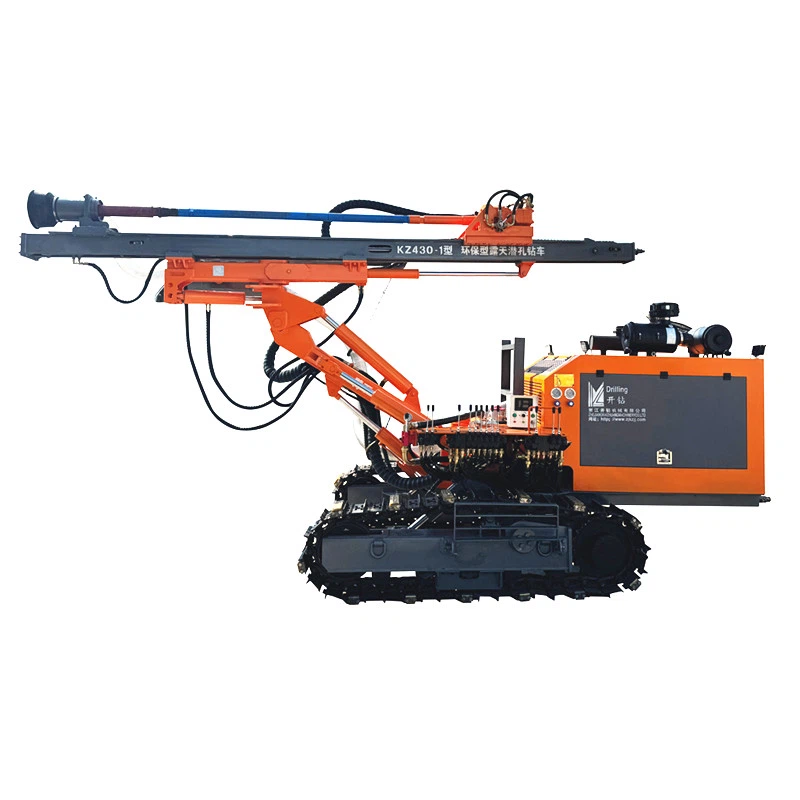
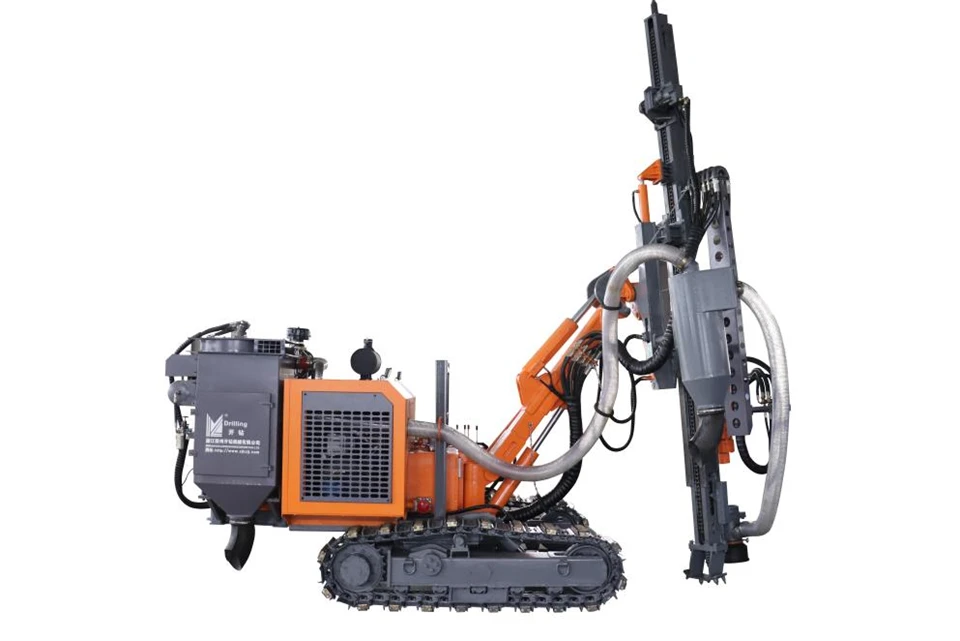
6. Automatic Shut-Off in Case of Hydraulic Failure
Hydraulic systems play a crucial role in the operation of crawler drill rigs, providing the power and control needed for various functions, such as drilling, lifting, and moving the equipment. However, hydraulic systems can be prone to failures, such as leaks, blockages, or component malfunctions, which can affect the performance and safety of the drill rig.
To address these issues, our crawler drill rigs are equipped with automatic shut-off systems in case of hydraulic failure. These systems continuously monitor the pressure, flow, and temperature of the hydraulic fluid and automatically activate the emergency stop if a hydraulic failure is detected. The automatic shut-off system may use sensors to measure the hydraulic parameters and compare them to the normal operating range. If the measured values deviate from the normal range, the system will send a signal to the control unit, which will then trigger the emergency stop.
Automatic shut-off in case of hydraulic failure helps to prevent further damage to the hydraulic system and other components of the drill rig. By stopping the drill rig's operation immediately, the system reduces the risk of accidents and ensures the safety of the operator.
Importance of Emergency Stop Features in Drilling Operations
The emergency stop features of our crawler drill rigs are not only important for the safety of the operator but also for the efficiency and productivity of the drilling operations. By providing a reliable and immediate response to critical situations, these features help to prevent accidents, minimize downtime, and reduce the cost of repairs and maintenance.
In addition, the emergency stop features comply with the safety regulations and standards set by various industry organizations and government agencies. By using our crawler drill rigs with advanced emergency stop features, our customers can ensure that their drilling operations are conducted in a safe and compliant manner, avoiding potential legal issues and penalties.
Conclusion
As a leading supplier of crawler drill rigs, we are committed to providing our customers with high-quality and safe equipment. Our crawler drill rigs are equipped with a comprehensive range of emergency stop features, including manual emergency stop buttons, remote emergency stop systems, safety interlock systems, overload protection, fire and gas detection systems, and automatic shut-off in case of hydraulic failure. These features ensure the safety of the operator, protect the equipment from damage, and enhance the efficiency and productivity of the drilling operations.
If you are interested in learning more about our crawler drill rigs and their emergency stop features, please visit our website to explore our product range, including Crawler Anchor Drilling Rig, Down The Hole Drilling Rig, and FMT Crawler Drill. Our team of experts is ready to assist you in selecting the right drill rig for your specific needs and provide you with professional advice and support. Contact us today to start a discussion about your drilling requirements and explore the possibilities of working with us.
References
- Drilling Equipment Safety Standards Handbook, Industry Safety Association
- Crawler Drill Rig Operation and Maintenance Manual, Manufacturer's Documentation