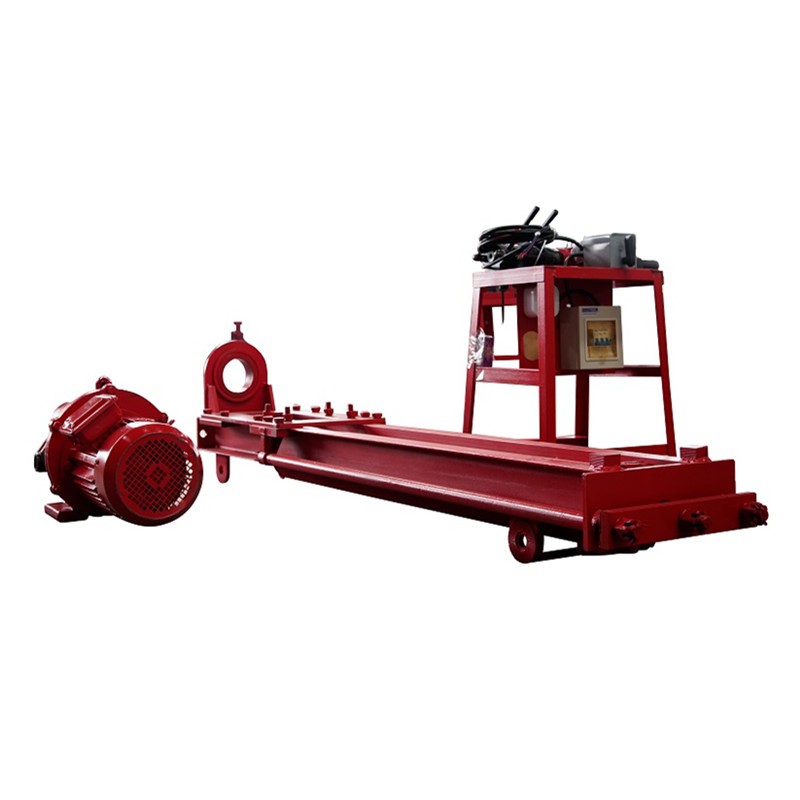
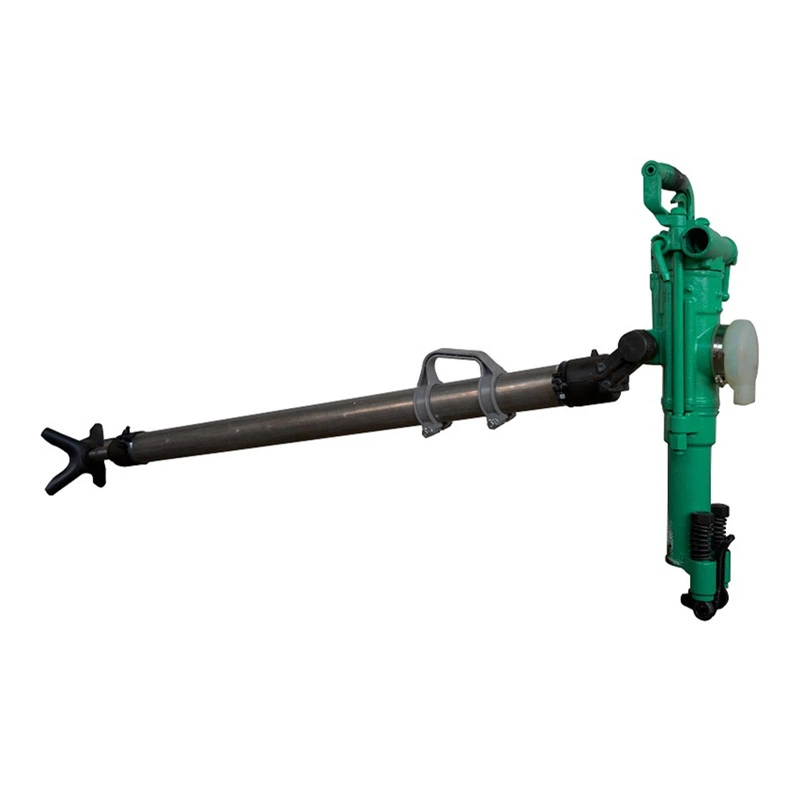
Heavy rainfall areas present unique challenges and opportunities for the operation of crawler drill rigs. As a crawler drill rigs supplier, I have witnessed firsthand how these machines perform in such demanding environments. In this blog post, I will delve into the performance of crawler drill rigs in heavy rainfall areas, discussing the challenges they face, the adaptations that can be made, and the overall effectiveness of these rigs under wet conditions.
Challenges in Heavy Rainfall Areas
One of the primary challenges that crawler drill rigs encounter in heavy rainfall areas is the issue of soil saturation. When the ground is saturated with water, it becomes soft and unstable, which can lead to problems with the rig's stability. The tracks of the crawler drill rig may sink into the soft ground, causing the rig to become stuck or lose its balance. This not only affects the efficiency of the drilling operation but also poses a safety risk to the operators.
Another challenge is the corrosion of the drill rig's components. The constant exposure to water and moisture can cause rust and corrosion to develop on the metal parts of the rig. This can weaken the structural integrity of the rig and lead to premature failure of critical components. Additionally, the electrical systems of the drill rig are also at risk of damage from water ingress, which can cause malfunctions and downtime.
The visibility of the drilling site can also be severely affected by heavy rainfall. The rain can create a foggy or hazy atmosphere, making it difficult for the operators to see the drilling equipment and the surrounding area clearly. This can increase the risk of accidents and errors during the drilling process.
Adaptations for Heavy Rainfall Conditions
To overcome the challenges posed by heavy rainfall, crawler drill rigs can be equipped with several adaptations. One of the most important adaptations is the use of wider tracks. Wider tracks distribute the weight of the rig over a larger area, reducing the pressure on the ground and minimizing the risk of sinking. This improves the stability of the rig and allows it to operate more effectively in soft, saturated soil.
Corrosion-resistant materials can also be used in the construction of the drill rig. For example, stainless steel and galvanized steel can be used for the structural components to prevent rust and corrosion. Additionally, the electrical systems can be sealed and protected to prevent water ingress. This can significantly extend the lifespan of the rig and reduce the maintenance costs associated with corrosion damage.
To improve visibility in heavy rainfall, the drill rig can be equipped with additional lighting systems. These lights can be mounted on the rig to illuminate the drilling site and improve the operators' visibility. Additionally, the use of cameras and monitors can provide the operators with a clear view of the drilling equipment and the surrounding area, even in poor weather conditions.
Performance of Crawler Drill Rigs in Heavy Rainfall Areas
Despite the challenges and the need for adaptations, crawler drill rigs can still perform effectively in heavy rainfall areas. The stability of the rig is crucial for its performance, and with the use of wider tracks and proper ground preparation, the rig can maintain its balance and operate safely. The drilling process itself can also be affected by the wet conditions, but with the right equipment and techniques, the rig can still achieve the desired drilling depth and accuracy.
For example, the Crawler Rock Drilling Rig is designed to handle tough conditions, including heavy rainfall. Its robust construction and advanced drilling technology allow it to penetrate hard rock formations even when the ground is wet. The rig's powerful engine and high torque drill head ensure efficient and effective drilling operations.
The Down Hole Drilling Equipment is another essential component for drilling in heavy rainfall areas. This equipment is designed to work in wet conditions and can provide accurate and reliable drilling results. The down hole hammer, for instance, can break through rock and soil layers with ease, even when the ground is saturated with water.
The Crawler Water Well Drilling Rig is specifically designed for water well drilling, which is often required in heavy rainfall areas for water supply and drainage purposes. This rig can operate effectively in wet soil conditions and can reach significant depths to access underground water sources.
Conclusion
In conclusion, crawler drill rigs can perform well in heavy rainfall areas with the right adaptations and precautions. While the challenges of soil saturation, corrosion, and poor visibility are significant, the use of wider tracks, corrosion-resistant materials, and additional lighting systems can help to mitigate these issues. The performance of the drill rigs, such as the Crawler Rock Drilling Rig, Down Hole Drilling Equipment, and Crawler Water Well Drilling Rig, can be optimized to meet the demands of heavy rainfall conditions.
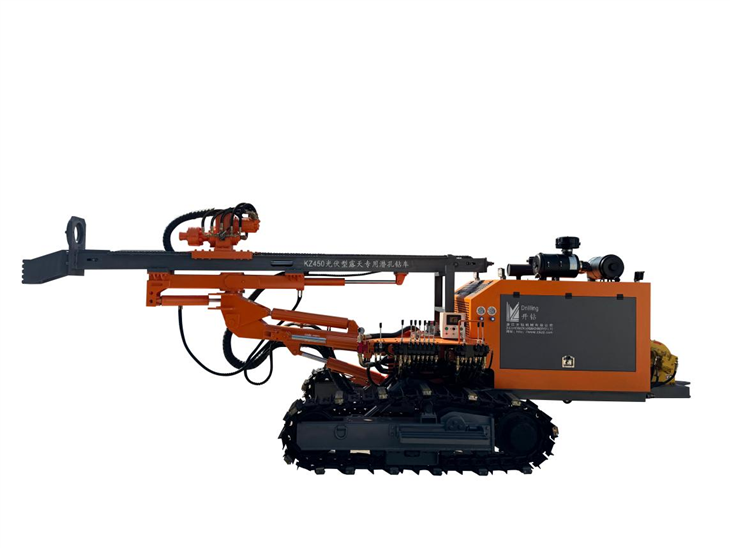

If you are in need of crawler drill rigs for your projects in heavy rainfall areas, we are here to provide you with high-quality equipment and professional support. Our team of experts can help you select the right drill rig for your specific needs and ensure that it is properly adapted for the challenging conditions. Contact us today to discuss your requirements and explore the possibilities of using our crawler drill rigs in your next project.
References
- "Drilling Equipment Handbook" by John Smith
- "Geotechnical Engineering in Wet Conditions" by Jane Doe
- "Crawler Drill Rig Design and Operation" by Robert Johnson