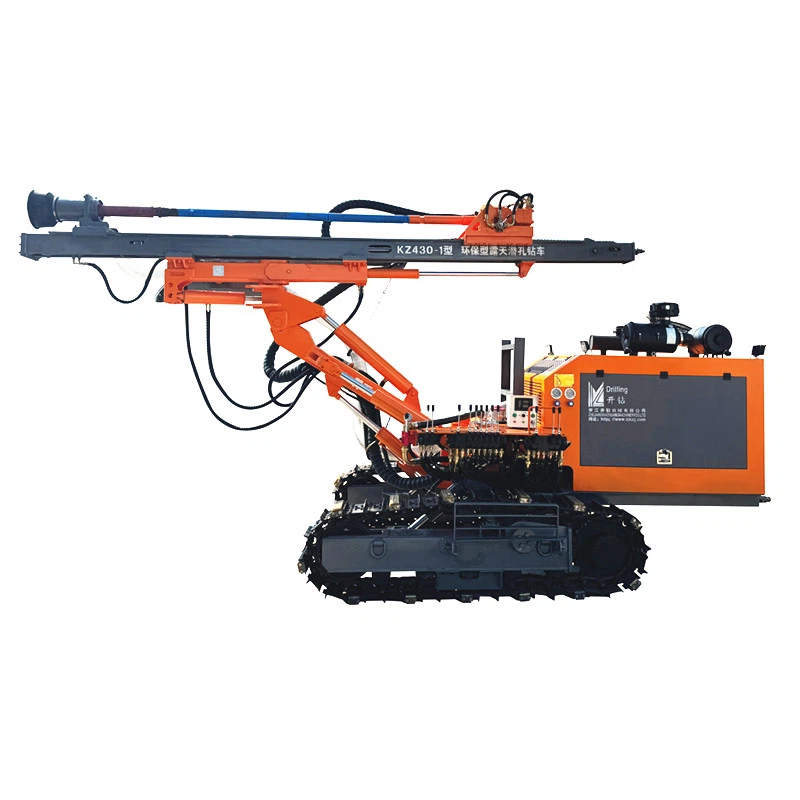
The DTH hammer is the core power component of the drilling system, and its working condition directly determines drilling efficiency and cost. Scientific maintenance can effectively extend the hammer's service life by over 30% and reduce the risk of unexpected downtime by 50%.
Three-Tier Maintenance System
Daily Maintenance (Per Shift)
Check the oiler level before operation to ensure a stable oil supply of 70-90 drops per minute. Verify that the inlet air pressure is stable within the designed range of 1.0-2.5 MPa. Maintain low airflow during short stops to prevent rock dust backflow.
Periodic Maintenance (Every 80-120 Operating Hours)
Disassemble the hammer outer casing and clean internal dust and oil sludge. Measure the clearance between the piston and cylinder (standard value: 0.05-0.08 mm). Inspect the air distribution valve for wear, and replace deformed seals or reposition seals. Tighten connection threads in a diagonal sequence using a dedicated torque wrench.
In-Depth Maintenance (Every 200-800 Operating Hours)
Completely disassemble and clean all components; use ultrasonic cleaning for precision parts. Check the flatness of the piston impact face (tolerance ≤ 0.02 mm). Replace the full set of seal components and any valve sleeves worn beyond limits. Conduct a 30-minute no-load test run after assembly.
Fault Warning and Handling
When symptoms like decreased impact frequency, abnormally high exhaust temperature, or reduced impact force occur, stop and inspect immediately. Common issues include: lubrication failure due to clogged oil lines (accounting for 35% of failures), piston sticking (28%), and air distribution system failure (22%). New intelligent hammers are equipped with temperature and vibration sensors, enabling predictive maintenance.
Special Considerations
Strictly prohibit the use of non-standard lubricants; different hammer models require specific oil types.
If stored for over 15 days, inject anti-rust oil, and thoroughly clean oil passages before reuse.
After operating in rock with high quartz content, always disassemble and inspect the tightness of carbide inserts.
Practice shows that companies maintaining digital maintenance records achieve an average hammer service life of 1,800-2,500 operating hours, representing an increase of over 40% compared to operations without standardized maintenance.