The Handheld Rock Drill: Working Principle and Maintenance Guide
The handheld rock drill is a portable device that breaks rock through high-frequency impact. The core of its working principle lies in efficiently converting electrical energy or compressed air energy into impact mechanical energy. Pneumatic models use a distribution valve to control compressed air, driving piston reciprocating motion, while electric models employ a motor to drive an eccentric weight or hydraulic system to generate impact. The piston strikes the shank end of the drill steel at a frequency of 2,000-3,000 times per minute. The impact energy is transmitted through the drill steel to the bit, causing localized fragmentation under the concentrated action of the cemented carbide teeth. Simultaneously, the device's rotation mechanism turns the drill steel a certain angle after each impact, creating a continuous drilling effect.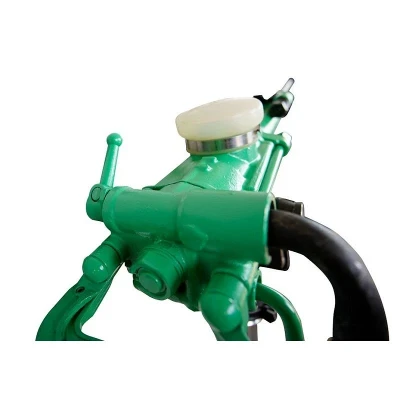
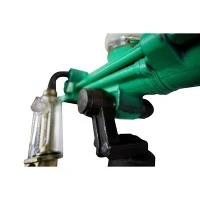
Maintenance should follow a three-tier system: Before daily operation, it is essential to check the lubricant level, fastener condition, and filter cleanliness; During operation, pay attention to changes in impact sound, and stop immediately in case of abnormal vibration; After each shift, thoroughly clean the equipment's exterior and drain accumulated water from the air tank. For in-depth maintenance, specialized lubricating oil should be replaced every 100-150 operating hours, and air circuit filters should be cleaned; Every 300 hours, inspect the clearance between the piston and cylinder (standard value: 0.03-0.08 mm); Every six months, check motor brush wear and insulation resistance.
Practical data shows that standardized maintenance can extend equipment service life by 40% and reduce failure rates by 60%. New intelligent rock drills are equipped with vibration monitoring sensors that can provide real-time warnings of potential issues such as bearing wear, advancing the maintenance model from scheduled upkeep to predictive maintenance. Operators must pay special attention to the following: inject anti-rust oil before long-term storage, use low-temperature lubricants in cold environments, and strengthen protection for electrical components in damp working conditions.