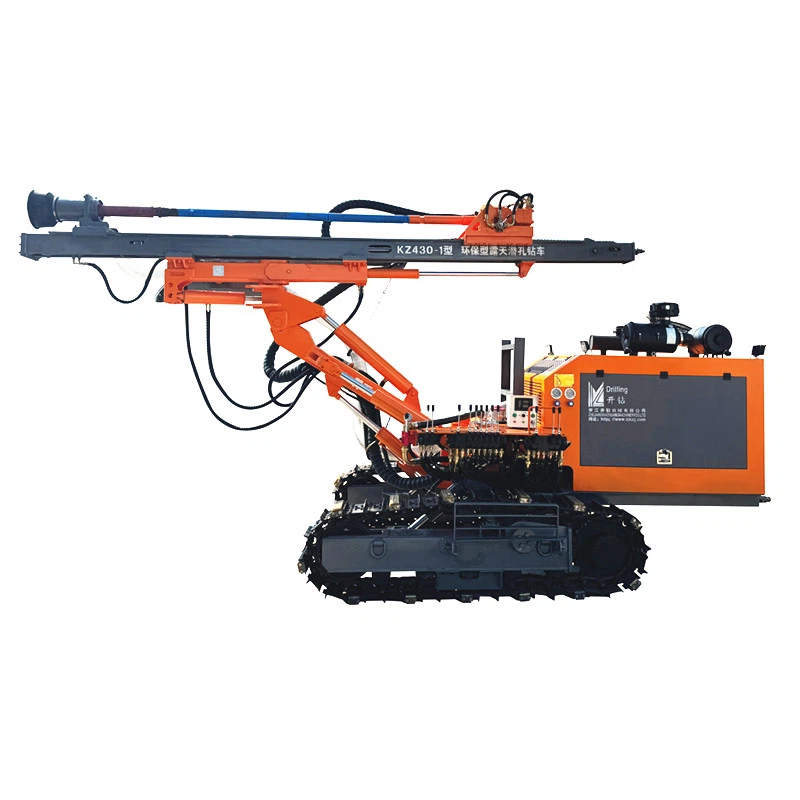
The Dual-mode Air Compressor refers to an air power device capable of intelligently switching between standard mode and energy-saving mode (or two different pressure/flow output modes) based on demand. Its core value lies in solving the problem of energy waste, akin to "using a large horse to pull a small cart," experienced by traditional air compressors under variable load conditions, thereby providing a more efficient and flexible compressed air solution for modern industrial production.
Core Advantage One: Significant Energy Savings and Economic Benefits
Through its built-in intelligent control system, the equipment can monitor pipeline network pressure and actual air demand in real time. When air consumption decreases, the system automatically switches to the low-power energy-saving mode, reducing energy consumption by an average of 20%-40%. For production lines with significant air usage fluctuations (such as intermittent spraying or alternating pneumatic tool operations), annual electricity savings can range from tens of thousands to hundreds of thousands of kilowatt-hours, with an investment payback period typically shorter than 2 years.
Core Advantage Two: Excellent Operational Adaptability and Stability
The dual-mode design essentially provides the equipment with a "dual-backup" operational strategy. In standard mode, the device operates at rated power to meet peak air demand, ensuring production efficiency. In energy-saving mode, it maintains stable air supply during low-pressure phases with optimized parameters, avoiding the pressure fluctuations in pipeline networks caused by frequent loading and unloading of traditional compressors (which can be controlled within ±0.1 bar). This makes it particularly suitable for industries with extremely high requirements for stable air pressure, such as precision manufacturing and textile chemical fiber production.
Core Advantage Three: Extended Equipment Lifespan and Intelligent Management
Reducing the frequency of loading and unloading cycles directly decreases the mechanical and electrical stress on key components such as the main unit, motor, and solenoid valves, and is projected to extend the overall equipment lifespan by over 15%. Furthermore, advanced models integrate Internet of Things (IoT) modules, which record the operating duration and energy consumption data for each mode, and generate maintenance recommendations. This drives the digital transformation of air compressor rooms from "reactive repair" to "predictive maintenance."
Application Scenarios and Selection Recommendations
This equipment is an ideal choice for enterprises with significant differences in day and night production loads, obvious seasonal order fluctuations, or those undergoing energy-saving renovations. When selecting a model, key focuses should include: response time for mode switching (should be ≤10 seconds), the energy efficiency ratio under the two operational modes, and the intelligence level of the control system (whether it supports remote monitoring and energy efficiency analysis). In the current context of promoting industrial carbon peaking, the dual-mode air compressor is transitioning from a "high-end option" to a "standard configuration" for enhancing the competitiveness of high-energy-consuming enterprises.