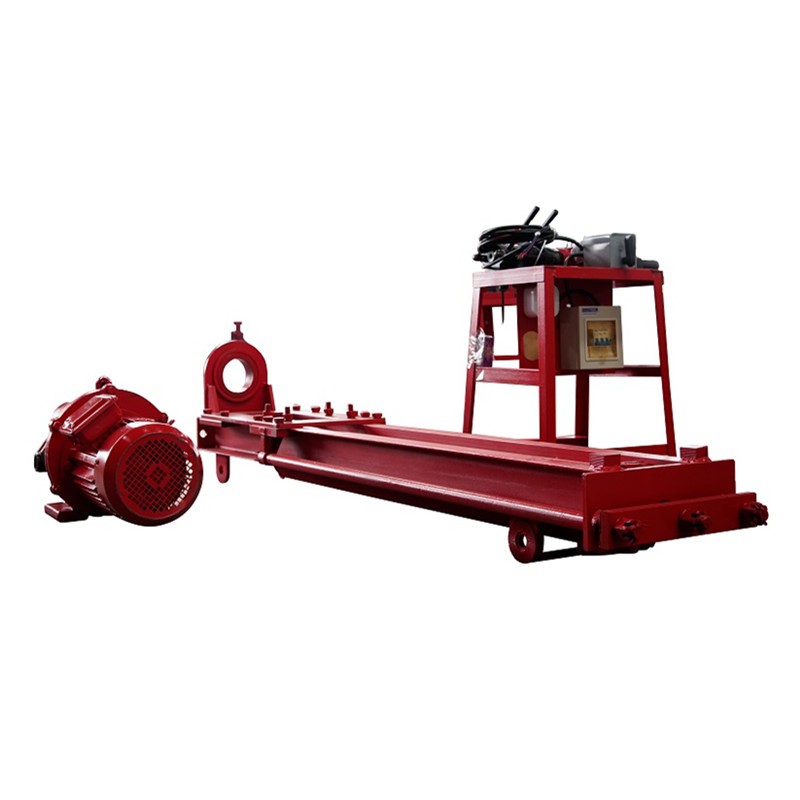
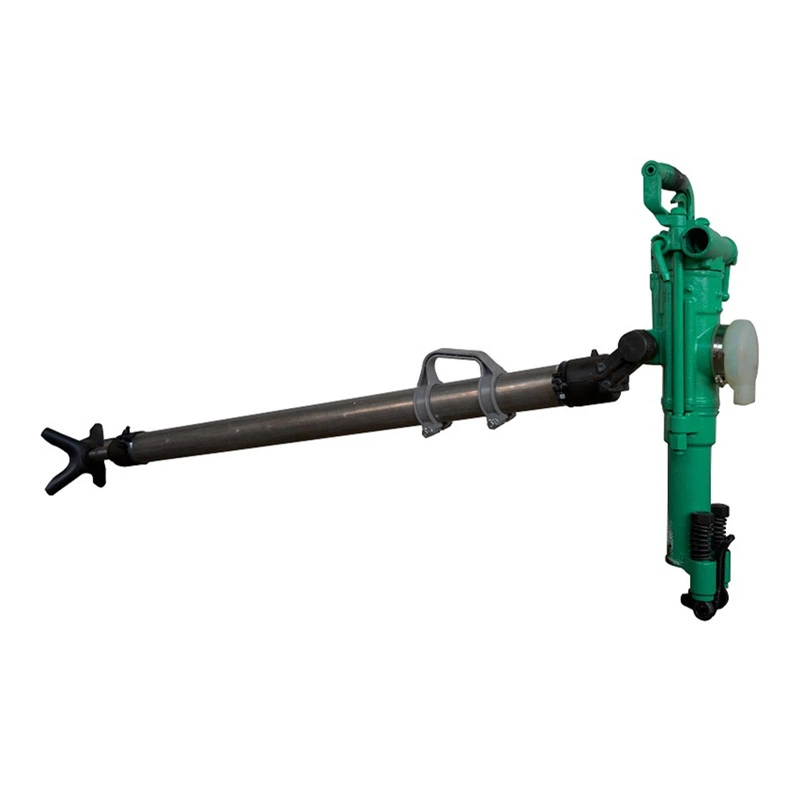
In the realm of construction and mining, compact rock drill rigs play a pivotal role. These machines are designed to penetrate hard rock surfaces efficiently, enabling various projects such as tunneling, quarrying, and foundation drilling. One of the critical components that contribute to the functionality and versatility of compact rock drill rigs is the swivel joint. In this blog post, we, as a leading supplier of compact rock drill rigs, will delve into what the swivel joint of compact rock drill rigs is, its importance, and how it impacts the overall performance of these machines.
What is a Swivel Joint?
A swivel joint, in the context of compact rock drill rigs, is a mechanical device that allows for the rotation of one part relative to another while maintaining a connection for the transfer of fluids, gases, or electrical signals. It acts as a flexible link between different sections of the drill rig, enabling smooth and efficient operation. The swivel joint typically consists of an inner and outer housing, bearings, seals, and a passageway for the transfer of materials.


The inner housing is connected to the rotating part of the drill rig, such as the drill pipe or the mast. It rotates freely within the outer housing, which is fixed to the stationary part of the rig. The bearings support the inner housing and reduce friction, allowing for smooth rotation. The seals prevent the leakage of fluids or gases from the joint, ensuring a reliable and efficient transfer of materials.
Importance of the Swivel Joint in Compact Rock Drill Rigs
The swivel joint is a crucial component of compact rock drill rigs for several reasons. Firstly, it allows for the rotation of the drill pipe or the mast, which is essential for drilling operations. Without a swivel joint, the drill pipe would be rigidly connected to the rig, making it difficult to change the direction of drilling or to adjust the angle of the drill. The swivel joint enables the drill pipe to rotate freely, allowing for precise and efficient drilling.
Secondly, the swivel joint facilitates the transfer of fluids, such as drilling mud or water, from the rig to the drill bit. Drilling mud is used to cool the drill bit, remove cuttings from the borehole, and provide stability to the walls of the hole. The swivel joint ensures that the drilling mud is delivered to the drill bit continuously and efficiently, enhancing the performance and longevity of the drill bit.
Thirdly, the swivel joint allows for the transfer of electrical signals from the rig to the drill bit or other components of the drill. This is particularly important in modern drill rigs that are equipped with advanced sensors and control systems. The swivel joint ensures that the electrical signals are transmitted reliably, enabling real-time monitoring and control of the drilling process.
Types of Swivel Joints Used in Compact Rock Drill Rigs
There are several types of swivel joints used in compact rock drill rigs, each with its own unique features and advantages. The most common types include:
- Single-Passage Swivel Joints: These swivel joints have a single passageway for the transfer of fluids or gases. They are typically used in applications where only one type of fluid or gas needs to be transferred, such as in simple drilling operations.
- Multi-Passage Swivel Joints: These swivel joints have multiple passageways for the transfer of different fluids or gases. They are used in more complex drilling operations where multiple types of fluids or gases need to be transferred simultaneously, such as in directional drilling or in the use of advanced drilling techniques.
- High-Pressure Swivel Joints: These swivel joints are designed to withstand high pressures, making them suitable for use in applications where high-pressure fluids or gases are used, such as in hydraulic drilling systems.
- Electric Swivel Joints: These swivel joints are designed to transfer electrical signals from the rig to the drill bit or other components of the drill. They are used in modern drill rigs that are equipped with advanced sensors and control systems.
Factors to Consider When Choosing a Swivel Joint for Compact Rock Drill Rigs
When choosing a swivel joint for compact rock drill rigs, several factors need to be considered to ensure optimal performance and reliability. These factors include:
- Load Capacity: The swivel joint should be able to withstand the maximum load that will be applied to it during drilling operations. This includes the weight of the drill pipe, the torque generated by the drill motor, and the pressure of the fluids or gases being transferred.
- Rotational Speed: The swivel joint should be able to rotate at the required speed without causing excessive wear or damage to the bearings or seals. The rotational speed will depend on the type of drilling operation and the design of the drill rig.
- Fluid Compatibility: The swivel joint should be compatible with the fluids or gases that will be transferred through it. This includes the type of drilling mud, water, or other fluids used in the drilling process, as well as any chemicals or additives that may be present.
- Seal Quality: The seals in the swivel joint should be of high quality to prevent the leakage of fluids or gases. The seals should be able to withstand the pressure and temperature conditions of the drilling environment and should be resistant to wear and tear.
- Maintenance Requirements: The swivel joint should be easy to maintain and repair. This includes the availability of replacement parts, the ease of access to the bearings and seals, and the simplicity of the maintenance procedures.
Impact of the Swivel Joint on the Performance of Compact Rock Drill Rigs
The swivel joint has a significant impact on the performance of compact rock drill rigs. A high-quality swivel joint can improve the efficiency, reliability, and safety of the drilling process. It can reduce downtime due to maintenance and repairs, increase the lifespan of the drill bit and other components of the drill, and enhance the overall productivity of the rig.
On the other hand, a low-quality swivel joint can cause a variety of problems, such as leakage of fluids or gases, excessive wear and tear on the bearings and seals, and reduced performance of the drill bit. These problems can lead to increased downtime, higher maintenance costs, and decreased productivity.
As a supplier of compact rock drill rigs, we understand the importance of using high-quality swivel joints in our products. We offer a wide range of swivel joints that are designed to meet the specific needs and requirements of our customers. Our swivel joints are made from high-quality materials, are precision-engineered, and are rigorously tested to ensure optimal performance and reliability.
Related Products
In addition to swivel joints, we also offer a range of other products for compact rock drill rigs, including Pusher Leg Rock Drill, YT28 Rock Drill, and Mini Borehole Drilling Machine. These products are designed to work together seamlessly, providing our customers with a complete solution for their drilling needs.
Conclusion
The swivel joint is a critical component of compact rock drill rigs, enabling the rotation of the drill pipe or the mast, facilitating the transfer of fluids and gases, and allowing for the transmission of electrical signals. It plays a crucial role in the performance, efficiency, and reliability of the drilling process. As a supplier of compact rock drill rigs, we are committed to providing our customers with high-quality swivel joints and other products that meet their specific needs and requirements.
If you are in the market for compact rock drill rigs or related products, we invite you to contact us to discuss your requirements. Our team of experts will be happy to assist you in choosing the right products for your project and to provide you with the support and service you need to ensure a successful drilling operation.
References
- [1] Smith, J. (2020). Drilling Technology Handbook. Elsevier.
- [2] Brown, A. (2019). Rock Mechanics for Drilling Engineers. Wiley.
- [3] Johnson, R. (2018). Handbook of Drilling and Excavation. CRC Press.