The drill pipe is an indispensable component in crawler and drilling rigs, playing a multifaceted and crucial role in the overall drilling operation. As a leading supplier of Crawler and Drilling Rigs, I have witnessed firsthand the significance of drill pipes in ensuring the efficiency, safety, and success of various drilling projects.
1. Transmission of Torque and Rotational Force
One of the primary functions of the drill pipe in a crawler and drilling rig is to transmit torque and rotational force from the rig's power source to the drill bit. The drill pipe acts as a conduit, transferring the energy generated by the rig's engine or motor to the cutting tool at the bottom of the borehole. This rotational force is essential for the drill bit to penetrate through different types of rock, soil, and other geological formations.
The drill pipe must be designed to withstand the high levels of torque and stress associated with drilling operations. It is typically made of high - strength steel alloys that can resist bending, torsion, and fatigue. The joints between the individual drill pipe sections are also critical, as they need to maintain a secure connection while allowing for the smooth transfer of torque. A well - designed drill pipe joint ensures that the rotational force is efficiently transmitted without any loss or slippage, which could lead to reduced drilling performance or even equipment failure.
2. Circulation of Drilling Fluid
Another vital role of the drill pipe is to facilitate the circulation of drilling fluid, also known as drilling mud. Drilling fluid serves several important purposes during the drilling process. It helps to cool and lubricate the drill bit, reducing wear and tear and extending its lifespan. The fluid also carries the cuttings generated by the drill bit to the surface, preventing them from accumulating at the bottom of the borehole and obstructing the drilling progress.
The drill pipe has an internal passage through which the drilling fluid is pumped down to the drill bit. As the fluid exits the drill bit, it picks up the cuttings and then returns to the surface through the annulus (the space between the drill pipe and the borehole wall). This continuous circulation of drilling fluid is essential for maintaining the stability of the borehole, preventing formation damage, and ensuring the overall efficiency of the drilling operation.
To ensure proper circulation, the drill pipe must have a smooth internal surface to minimize friction and pressure losses. Additionally, the drill pipe should be able to withstand the high pressures associated with pumping the drilling fluid, especially in deep - hole drilling applications.
3. Depth Measurement and Borehole Survey
The drill pipe also plays a role in measuring the depth of the borehole and conducting borehole surveys. By keeping track of the number of drill pipe sections added to the drill string, operators can accurately determine the depth of the borehole. This information is crucial for various reasons, such as ensuring that the drilling reaches the target depth and for geological logging purposes.
In addition to depth measurement, the drill pipe can be used as a platform for borehole survey tools. These tools are used to measure various parameters of the borehole, such as its inclination, azimuth, and diameter. By attaching survey instruments to the drill pipe, operators can obtain real - time data about the borehole's geometry, which is essential for maintaining the accuracy of the drilling path and avoiding deviations from the planned trajectory.
4. Structural Support
The drill pipe provides structural support to the drill string, which is the assembly of drill pipes, drill collars, and the drill bit. It helps to keep the drill bit in the correct position and alignment within the borehole. The drill pipe must be able to withstand the weight of the drill string and any additional forces exerted during the drilling process, such as vibrations and impacts.
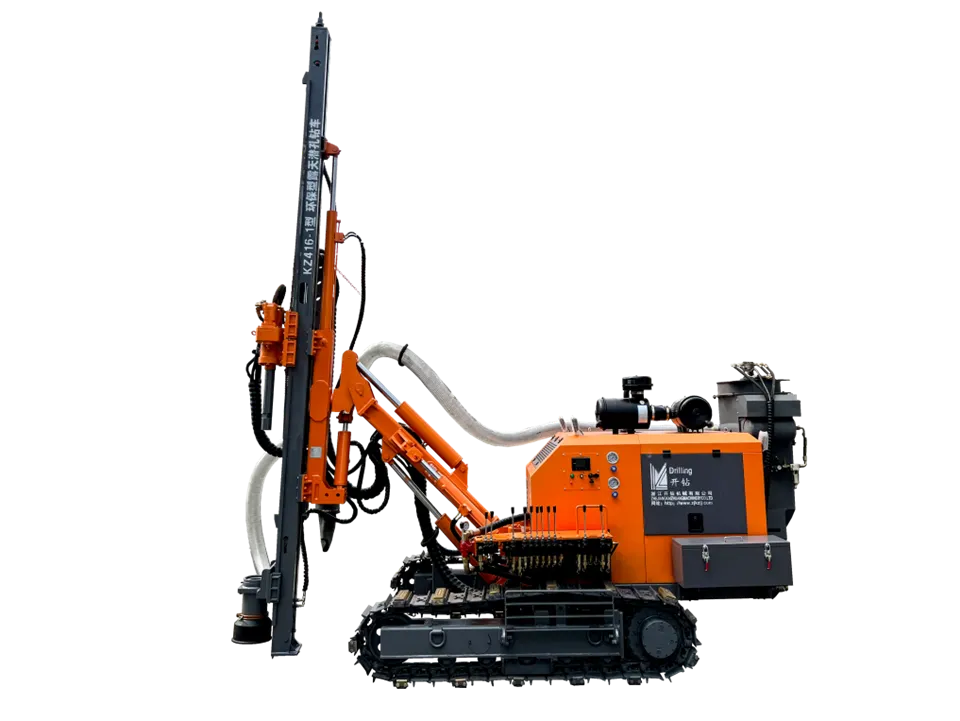
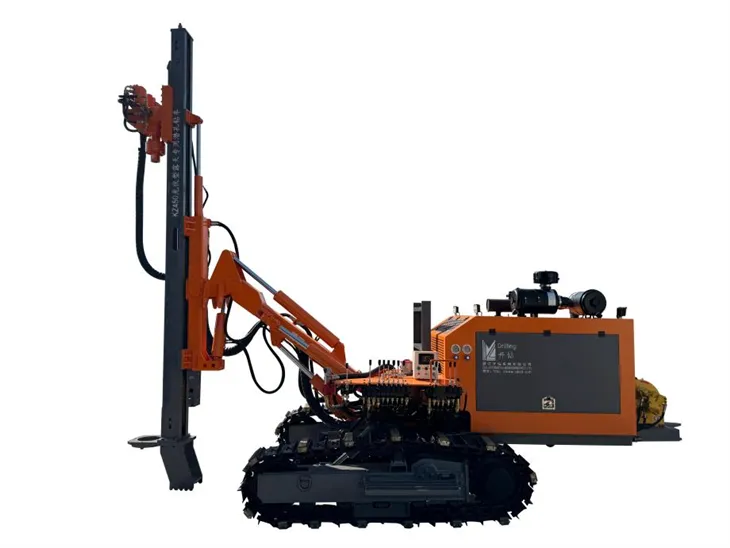
In a crawler and drilling rig, the drill pipe is subjected to various types of loads, including axial tension, compression, and bending. The design and material selection of the drill pipe are crucial to ensure that it can handle these loads without failure. For example, in vertical drilling, the drill pipe is mainly under axial tension, while in directional drilling, it may experience significant bending forces. A well - engineered drill pipe can resist these forces and maintain the integrity of the drill string, preventing costly downtime and equipment damage.
5. Adaptability to Different Drilling Conditions
As a Crawler and Drilling Rig supplier, I understand that different drilling projects have unique requirements. The drill pipe needs to be adaptable to various drilling conditions, such as different rock formations, drilling depths, and environmental factors.
For drilling in hard rock formations, drill pipes with higher strength and wear resistance are required. Specialized drill pipe coatings or surface treatments can be applied to enhance their performance in such harsh conditions. In deep - sea or offshore drilling, the drill pipe must be able to withstand high hydrostatic pressures and corrosive seawater. Corrosion - resistant materials and protective coatings are used to ensure the long - term durability of the drill pipe in these environments.
Moreover, the drill pipe should be compatible with different types of crawler and drilling rigs. Whether it is a Crawler Mounted Drilling Rig, FMT Crawler Drill, or Crawler Borehole Drill Rig, the drill pipe must be designed to fit the rig's specifications and operating requirements.
Conclusion and Call to Action
In conclusion, the drill pipe is a fundamental component in crawler and drilling rigs, with a wide range of critical roles that contribute to the success of drilling operations. From transmitting torque and facilitating fluid circulation to providing structural support and enabling depth measurement, the drill pipe's functions are essential for efficient and safe drilling.
As a trusted supplier of Crawler and Drilling Rigs, we offer high - quality drill pipes that are designed to meet the diverse needs of our customers. Our drill pipes are manufactured using the latest technology and high - grade materials, ensuring superior performance and reliability in various drilling conditions.
If you are in the market for a crawler and drilling rig or need high - quality drill pipes for your drilling projects, we invite you to contact us for a detailed discussion. Our team of experts is ready to provide you with professional advice and customized solutions to meet your specific requirements. Let's work together to achieve your drilling goals.
References
- API Specification 5DP, "Specification for Drill Pipe", American Petroleum Institute.
- Bourgoyne, A. T., Chenevert, M. E., Millheim, K. K., & Young, F. S. (1986). Applied Drilling Engineering. Society of Petroleum Engineers.
- Mitchell, R. F., & Miska, S. Z. (2002). Fundamentals of Drilling Engineering. Society of Petroleum Engineers.