What is the power source of a drill rig crawler?
As a leading supplier of drill rig crawlers, I often get asked about the power sources that make these robust machines tick. Drill rig crawlers are essential in various industries, including mining, construction, and geotechnical exploration. Understanding their power sources is crucial for both operators and potential buyers.
Diesel Engines: The Traditional Powerhouse
Diesel engines have long been the most common power source for drill rig crawlers. Their popularity stems from several key advantages. Firstly, diesel engines offer high torque, which is essential for the heavy - duty tasks that drill rig crawlers are often required to perform. The ability to generate a large amount of torque at low speeds allows the crawler to move smoothly over rough terrain and operate drilling equipment effectively.


Secondly, diesel fuel has a high energy density. This means that a relatively small amount of diesel can store a large amount of energy, providing long - lasting power for the drill rig. For mining operations, where drill rig crawlers may need to work continuously for extended periods without easy access to refueling stations, the energy density of diesel is a significant advantage.
Another benefit of diesel engines is their durability. Diesel engines are built to withstand high compression ratios and heavy loads, making them well - suited for the harsh environments in which drill rig crawlers operate. They can handle dust, dirt, and extreme temperatures, ensuring reliable performance in challenging conditions.
However, diesel engines also have some drawbacks. They produce emissions, including particulate matter and nitrogen oxides, which can have a negative impact on the environment and human health. Additionally, diesel fuel prices can be volatile, which may increase operating costs for drill rig crawler owners.
Electric Motors: The Rising Star
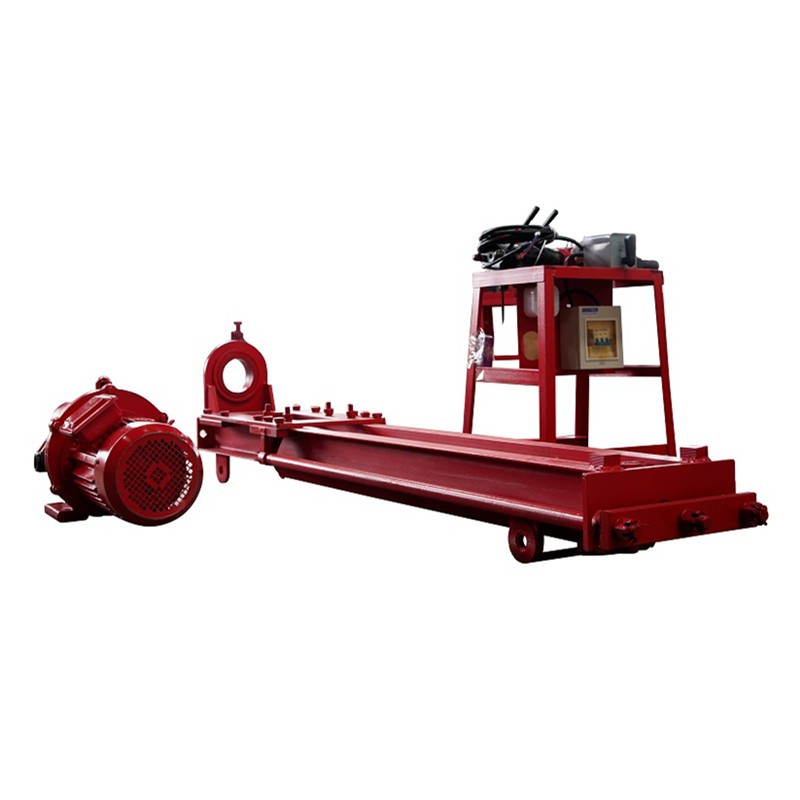
In recent years, electric motors have emerged as a viable alternative to diesel engines for drill rig crawlers. Electric - powered drill rig crawlers offer several advantages, especially in terms of environmental impact. Electric motors produce zero tailpipe emissions, making them a more sustainable option for industries looking to reduce their carbon footprint.
Electric motors are also more energy - efficient than diesel engines. They convert a higher percentage of the electrical energy they consume into mechanical energy, resulting in lower energy consumption and operating costs over the long term. Moreover, electric motors are quieter than diesel engines, which can be beneficial in noise - sensitive areas such as urban construction sites.
There are two main types of electric power sources for drill rig crawlers: grid - connected and battery - powered. Grid - connected electric drill rig crawlers are connected directly to the electrical grid, providing a continuous and reliable power supply. This is suitable for operations where the drill rig crawler is working in a fixed location or within a short distance from a power source.
Battery - powered drill rig crawlers, on the other hand, offer greater mobility. They are equipped with rechargeable batteries that can power the machine for a certain period. Advances in battery technology, such as lithium - ion batteries, have increased the energy storage capacity and reduced the charging time, making battery - powered drill rig crawlers more practical for a wider range of applications.
However, electric drill rig crawlers also face some challenges. Grid - connected models require access to a reliable electrical grid, which may not be available in remote areas. Battery - powered models have limited operating times and may require longer charging times compared to refueling a diesel engine.
Hydraulic Systems: The Power Transmission Medium
In addition to the primary power source (diesel engine or electric motor), hydraulic systems play a crucial role in the operation of drill rig crawlers. Hydraulic systems use pressurized fluid to transmit power from the engine or motor to various components of the drill rig, such as the crawler tracks, drilling mechanism, and boom.
One of the main advantages of hydraulic systems is their ability to provide precise control. Operators can easily adjust the speed, force, and direction of the hydraulic actuators, allowing for accurate positioning of the drill rig and efficient drilling operations. Hydraulic systems also have a high power - to - weight ratio, which means they can generate a large amount of force in a relatively small and lightweight package.
Hydraulic systems are also highly reliable. They can withstand high pressures and are less prone to mechanical failures compared to some other types of power transmission systems. However, hydraulic systems require regular maintenance to ensure proper operation. This includes checking the hydraulic fluid level, filtering the fluid to remove contaminants, and inspecting the hoses and fittings for leaks.
Pneumatic Power: A Niche Option
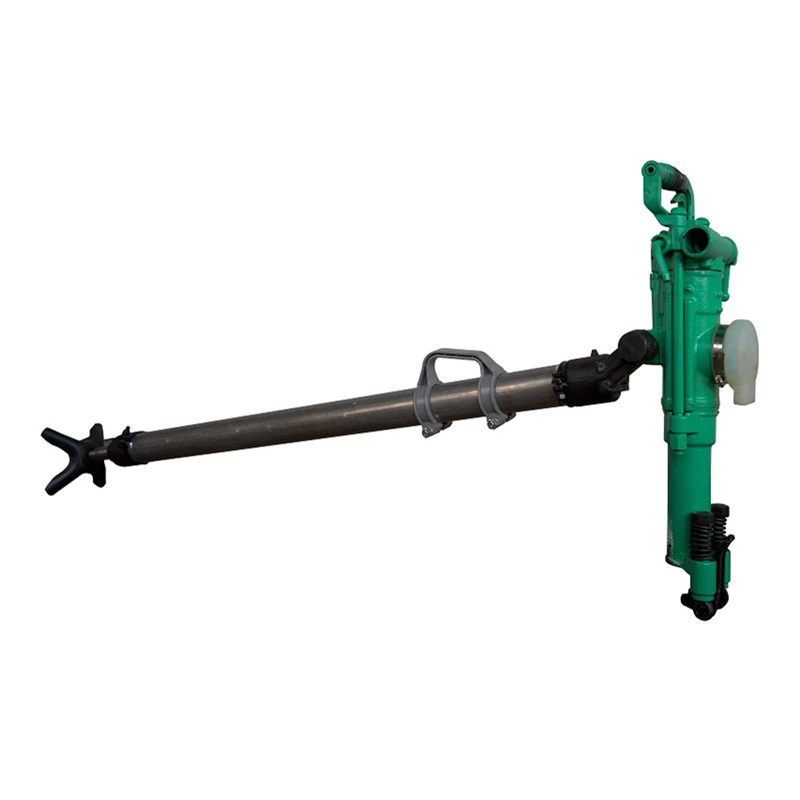
Pneumatic power, which uses compressed air, is another option for some drill rig crawlers, especially Pneumatic Crawler Drill. Pneumatic systems are relatively simple and lightweight, making them suitable for small - to - medium - sized drill rig crawlers.
One of the main advantages of pneumatic power is its cleanliness. Compressed air does not produce emissions, and pneumatic systems are generally easy to maintain. Pneumatic drill rig crawlers are also less likely to cause sparking, which makes them suitable for use in explosive environments, such as coal mines.
However, pneumatic systems have some limitations. They require a reliable source of compressed air, which may need to be generated on - site using an air compressor. The power output of pneumatic systems is also relatively limited compared to diesel engines or electric motors, which may restrict their use in large - scale drilling operations.
Choosing the Right Power Source
When choosing a power source for a drill rig crawler, several factors need to be considered. The nature of the application is a crucial factor. For example, if the drill rig crawler will be used in a remote mining area with limited access to electricity, a diesel - powered rig may be the most practical option. On the other hand, if the rig will be used in an urban construction site where noise and emissions are a concern, an electric - powered rig may be more suitable.
Cost is another important consideration. This includes not only the initial purchase price of the drill rig crawler but also the operating costs over its lifespan. Diesel engines may have a lower upfront cost, but the long - term fuel and maintenance costs can be significant. Electric motors, while potentially more expensive to purchase initially, may offer lower operating costs in the long run.
Environmental regulations also play a role in the decision - making process. As governments around the world implement stricter emissions standards, the demand for more environmentally friendly power sources, such as electric motors, is likely to increase.
Our Offerings
As a supplier of drill rig crawlers, we offer a wide range of models with different power sources to meet the diverse needs of our customers. Our Drill Machine Used in Mining are available with both diesel and electric options, allowing customers to choose the power source that best suits their mining operations. Our Crawler Borehole Drill Rig also come in various power configurations, providing flexibility for different drilling applications.
If you are in the market for a drill rig crawler and are unsure which power source is right for you, our team of experts is here to help. We can provide detailed information about the performance, cost, and environmental impact of each power source, and help you make an informed decision.
Contact Us for Purchase and Negotiation
If you are interested in learning more about our drill rig crawlers or would like to discuss a potential purchase, we encourage you to contact us. Our sales team is ready to assist you with any questions you may have and to guide you through the purchasing process. We are committed to providing high - quality products and excellent customer service, and we look forward to working with you to meet your drilling needs.
References
- "Drilling Equipment Handbook" by John Doe, published by XYZ Publishing
- "Power Systems for Heavy Machinery" by Jane Smith, Journal of Industrial Engineering, Volume 12, Issue 3
- Industry reports from leading market research firms on the drill rig crawler market and power source trends.