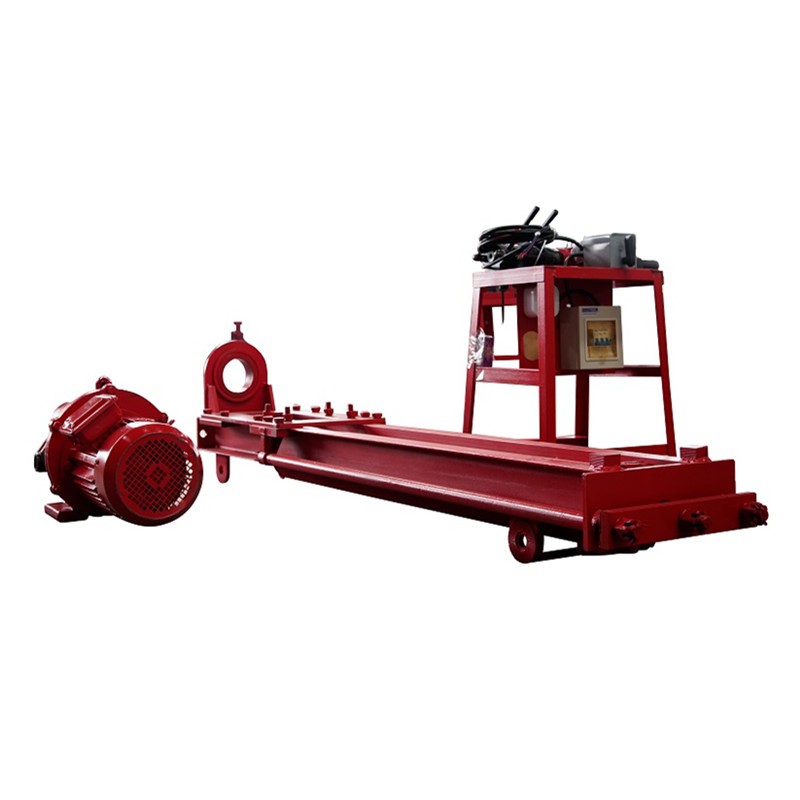
As a seasoned supplier in the rock drill industry, I've encountered numerous inquiries regarding the maximum load capacity of rock drills. This topic is crucial for both our clients and the overall efficiency of various projects. In this blog, I'll delve into the factors influencing the maximum load capacity of rock drills, and how understanding these can help you make informed decisions when selecting the right equipment for your needs.
Understanding Rock Drill Load Capacity
The maximum load capacity of a rock drill refers to the maximum amount of force or weight that the drill can handle during its operation without experiencing significant wear, damage, or a decrease in performance. This capacity is determined by several key factors, including the drill's design, the materials used in its construction, and the type of drilling application.

Factors Affecting Load Capacity
Drill Design
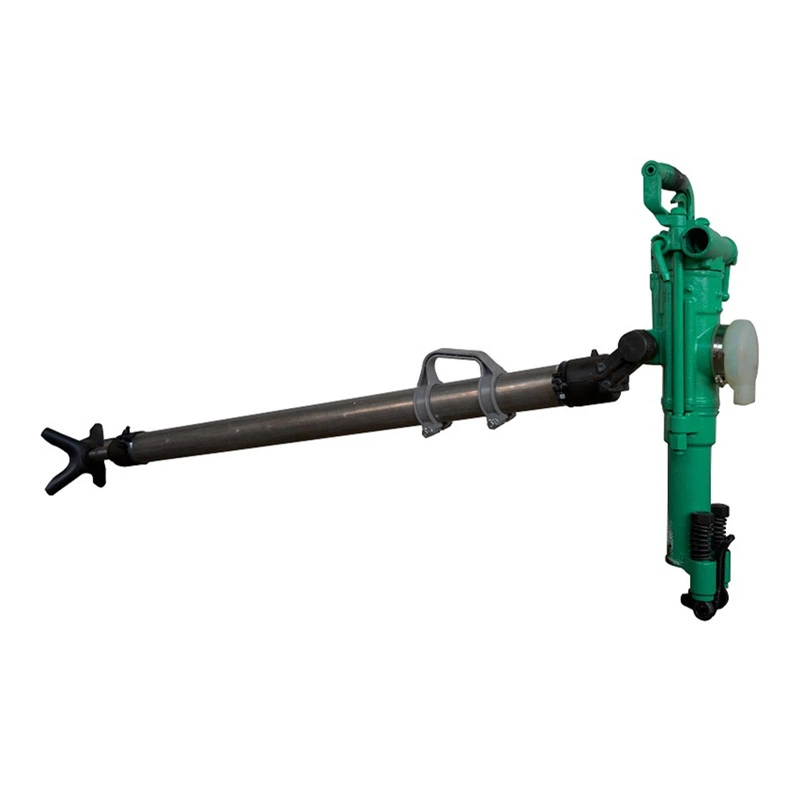
The design of a rock drill plays a pivotal role in determining its load capacity. Different types of rock drills are engineered to handle specific loads based on their intended use. For instance, Pusher Leg Rock Drill are designed for lighter, more portable applications. They typically have a lower load capacity compared to larger, more heavy-duty models. These drills are often used in small-scale mining operations, construction projects, or for tasks where mobility is a key requirement.
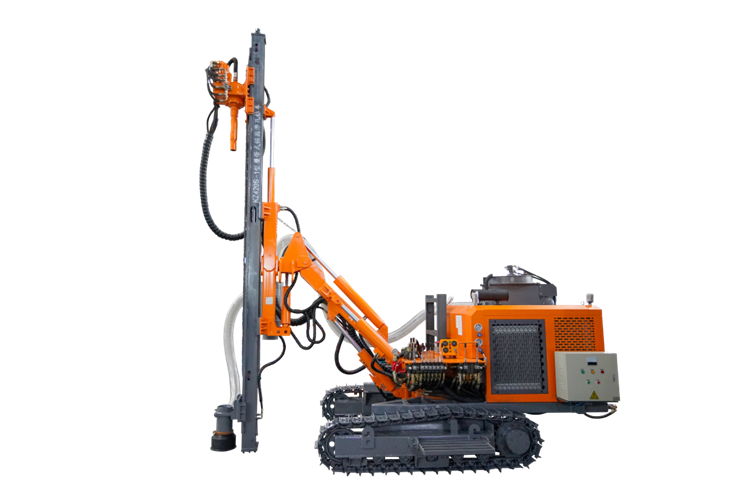
On the other hand, Compact Rock Drill Rigs are built to handle more substantial loads. Their robust design and powerful motors allow them to penetrate harder rock formations with greater force. These rigs are commonly used in medium to large-scale mining and construction projects where the ability to drill deep and efficiently is essential.
Material Quality
The materials used in the construction of a rock drill also have a significant impact on its load capacity. High-quality materials, such as hardened steel and advanced alloys, can withstand greater stress and wear. Drills made from these materials are more likely to have a higher load capacity and a longer lifespan. For example, the drill bits and components of a Dth Pneumatic Rock Drill are often made from premium materials to ensure they can handle the high pressures and forces generated during drilling.
Drilling Application
The type of drilling application is another crucial factor in determining the appropriate load capacity. Different rock formations require different levels of force to penetrate. Soft rock, such as sandstone or limestone, requires less force compared to hard rock, such as granite or basalt. Therefore, a rock drill used in soft rock applications can have a lower load capacity than one used in hard rock drilling.
In addition, the depth and diameter of the hole being drilled also affect the load capacity. Drilling deeper or larger diameter holes requires more power and force, which means the drill needs to have a higher load capacity to maintain efficient operation.
Measuring Load Capacity
There are several ways to measure the load capacity of a rock drill. One common method is to look at the drill's power rating, which is usually expressed in horsepower (HP) or kilowatts (kW). A higher power rating generally indicates a higher load capacity. However, it's important to note that power rating alone is not the only indicator of a drill's ability to handle loads. Other factors, such as torque, impact energy, and feed force, also play a role.
Torque is the rotational force generated by the drill motor. It is crucial for breaking through hard rock and maintaining the drill's stability during operation. Impact energy, on the other hand, refers to the force exerted by the drill bit with each impact. A higher impact energy allows the drill to penetrate rock more effectively. Feed force is the force applied to the drill to keep it in contact with the rock surface. Adequate feed force is necessary to ensure consistent drilling performance.
Importance of Choosing the Right Load Capacity
Selecting a rock drill with the appropriate load capacity is essential for several reasons. Firstly, using a drill with a load capacity that is too low for the application can lead to premature wear and damage. The drill may struggle to penetrate the rock, resulting in slower drilling speeds, increased energy consumption, and a higher risk of breakdowns.
Secondly, choosing a drill with a load capacity that is too high can be wasteful. Overpowered drills are often more expensive, heavier, and less fuel-efficient. They may also be more difficult to operate and maintain.
How We Can Help
As a trusted rock drill supplier, we understand the importance of providing our clients with the right equipment for their specific needs. Our team of experts can help you determine the maximum load capacity required for your drilling application based on factors such as the type of rock, the depth and diameter of the hole, and the overall project requirements.
We offer a wide range of rock drills, including Pusher Leg Rock Drill, Compact Rock Drill Rigs, and Dth Pneumatic Rock Drill, each designed to meet different load capacity requirements. Our products are built to the highest quality standards, using the latest technology and premium materials to ensure reliable performance and long-lasting durability.
If you're in the market for a rock drill and need assistance in choosing the right one for your project, we encourage you to contact us. Our experienced sales team is ready to answer your questions and provide you with detailed information about our products. Whether you're a small-scale contractor or a large mining company, we have the expertise and the products to meet your needs.
Conclusion
In conclusion, the maximum load capacity of a rock drill is determined by a combination of factors, including drill design, material quality, and drilling application. Understanding these factors is crucial for selecting the right drill for your project and ensuring efficient and cost-effective operation. As a leading rock drill supplier, we are committed to providing our clients with the best products and services. Contact us today to discuss your rock drill needs and let us help you find the perfect solution for your project.
References
- "Rock Drilling Handbook" by Atlas Copco
- "Mining Engineering Handbook" edited by Hartman and Mutmansky