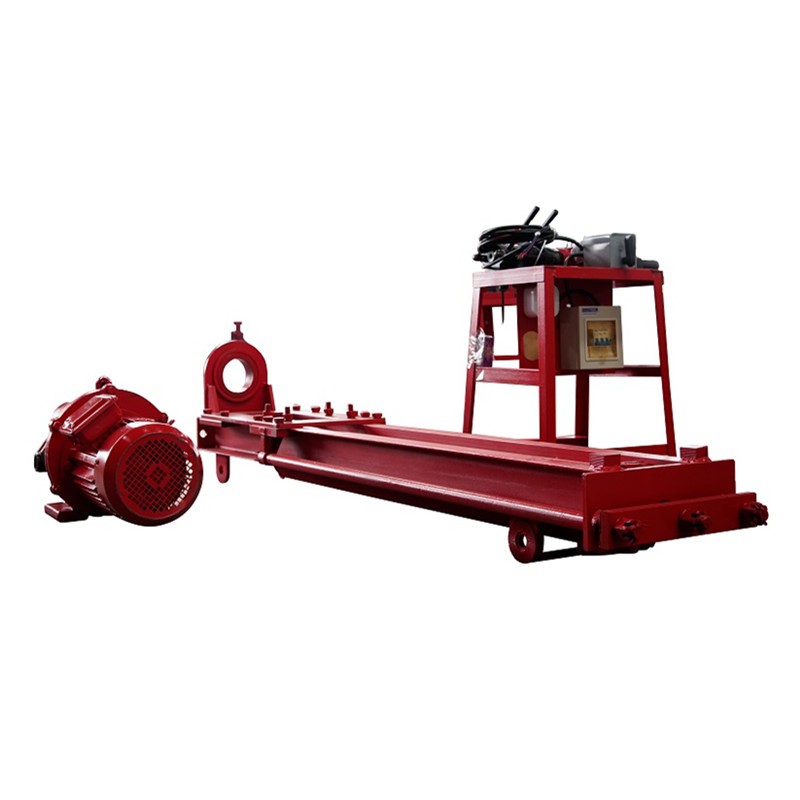
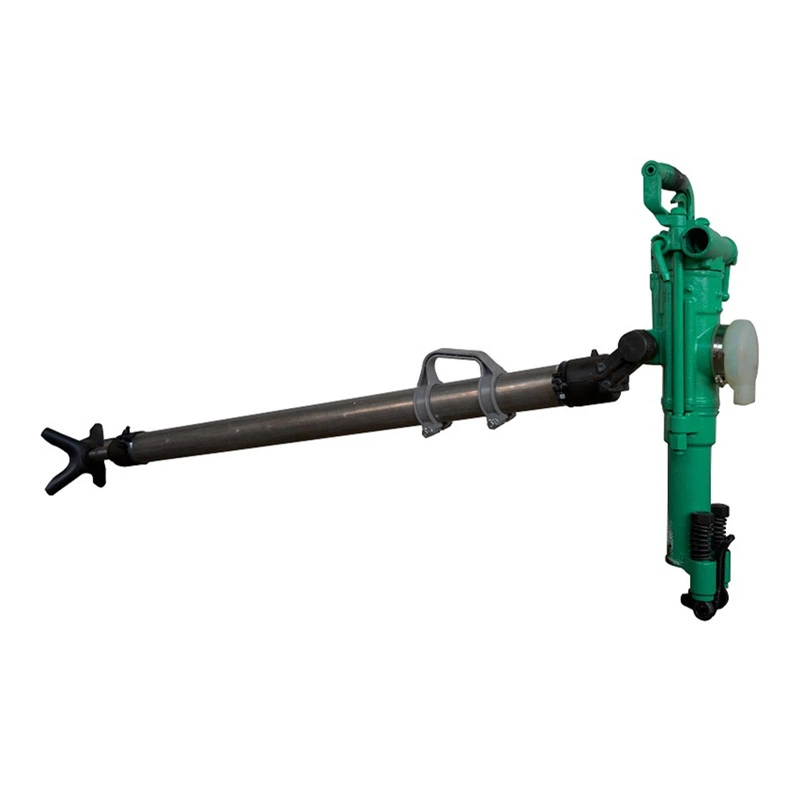
Hey there! As a supplier of pneumatic drill rigs, I've seen firsthand how crucial proper maintenance is to keep these machines running smoothly. In this blog, I'll walk you through the main maintenance tasks for a pneumatic drill rig.
1. Air Supply System Maintenance
The air supply is the life - blood of a pneumatic drill rig. Without clean, dry, and properly pressurized air, the rig won't function efficiently.
Air Filter Cleaning or Replacement
The air filter prevents dust, dirt, and debris from entering the drill rig's air system. Over time, the filter gets clogged, which restricts the air flow. You should check the air filter regularly, say, once a week if the rig is used daily. If it's dirty, clean it with compressed air or replace it if it's too damaged. A clogged filter can lead to reduced power output and even damage to the internal components of the drill rig.
Moisture Removal
Moisture in the air supply can cause corrosion inside the drill rig. Install a moisture separator in the air line. Drain the moisture separator daily to get rid of any accumulated water. You can also use air dryers to further reduce the moisture content in the air. This simple step can significantly extend the lifespan of your drill rig.
Pressure Regulation
Keep an eye on the air pressure. The drill rig has an optimal operating pressure range, which is usually specified in the user manual. Use a pressure gauge to monitor the air pressure. If the pressure is too low, the drill won't have enough power to penetrate the rock effectively. On the other hand, if the pressure is too high, it can cause excessive wear and tear on the components. Adjust the pressure regulator as needed to maintain the correct pressure.
2. Drill Bit Maintenance
The drill bit is the part of the rig that actually does the cutting. Proper maintenance of the drill bit is essential for efficient drilling.
Inspection
Before and after each use, inspect the drill bit for signs of wear, such as dullness, chipping, or cracking. A dull drill bit will require more power to drill and will produce a poor - quality hole. If you notice any damage, replace the drill bit immediately.
Sharpening
If the drill bit is just dull, you can sharpen it. There are specialized drill bit sharpening tools available. Follow the manufacturer's instructions for sharpening to ensure the correct angle and cutting edge. A well - sharpened drill bit will not only drill faster but also use less energy.
Storage
When not in use, store the drill bits in a dry and clean place. You can use a drill bit case to keep them organized and protected from damage. This will prevent rust and other forms of corrosion.
3. Lubrication
Lubrication is vital for reducing friction between the moving parts of the pneumatic drill rig.
Oil Selection
Use the lubricating oil recommended by the drill rig manufacturer. Different drill rigs may require different types of oil, depending on their design and operating conditions. The oil should have good anti - wear and anti - corrosion properties.
Lubrication Frequency
Lubricate the drill rig regularly. Most pneumatic drill rigs have an automatic lubricator. Check the oil level in the lubricator daily and refill it as needed. Manual lubrication may be required for some parts, such as the chuck or the gears. Follow the maintenance schedule in the user manual for these parts.
Cleaning Before Lubrication
Before applying new lubricant, clean the parts to be lubricated. Remove any dirt, debris, or old lubricant. This ensures that the new lubricant can work effectively and provides better protection to the components.
4. Chuck and Tool Holder Maintenance
The chuck and tool holder are responsible for holding the drill bit securely in place.
Tightening
Check the tightness of the chuck regularly. A loose chuck can cause the drill bit to slip during operation, which is not only dangerous but also reduces the drilling efficiency. Use a chuck key to tighten the chuck as needed.
Cleaning
Clean the chuck and tool holder to remove any dirt or debris that may have accumulated. You can use a brush or compressed air to clean these parts. This will ensure a good grip on the drill bit and prevent premature wear of the chuck jaws.


5. Structural and Body Maintenance
The overall structure of the pneumatic drill rig also needs attention.
Visual Inspection
Conduct a visual inspection of the rig's body and frame regularly. Look for any signs of cracks, dents, or loose parts. Cracks in the frame can compromise the structural integrity of the rig, while loose parts can cause vibrations and noise during operation.
Cleaning
Clean the exterior of the drill rig to remove dirt, dust, and other contaminants. This not only makes the rig look better but also prevents the build - up of corrosive substances. You can use a mild detergent and water to clean the rig, and then dry it thoroughly.
6. Hose and Connection Maintenance
The hoses and connections are used to transfer air and other fluids in the drill rig.
Inspection
Inspect the hoses for any signs of damage, such as cracks, leaks, or abrasions. A damaged hose can lead to air leakage, which reduces the efficiency of the drill rig. Check the connections for tightness as well. Loose connections can also cause air leaks.
Replacement
If you find any damaged hoses or connections, replace them immediately. Use high - quality hoses and connections that are compatible with your drill rig.
7. Control System Maintenance
The control system of the pneumatic drill rig allows you to operate the machine safely and effectively.
Function Testing
Test the controls regularly to ensure they are working properly. This includes the on/off switch, speed control, and other functions. If you notice any problems with the controls, have them repaired or replaced as soon as possible.
Cleaning
Keep the control panel clean. Dust and debris can accumulate on the controls and cause malfunctions. Use a soft cloth to clean the control panel.
Now, if you're in the market for a pneumatic drill rig, we've got a great range of products. Check out our Hand Held Rock Drilling Machine, Pusher Leg Rock Drill, and YT28 Rock Drill. These machines are built to last and are easy to maintain. If you have any questions or are interested in purchasing, don't hesitate to reach out. We're here to help you make the right choice for your drilling needs.
References
- Manufacturer's user manuals for pneumatic drill rigs
- Industry best practices for pneumatic equipment maintenance