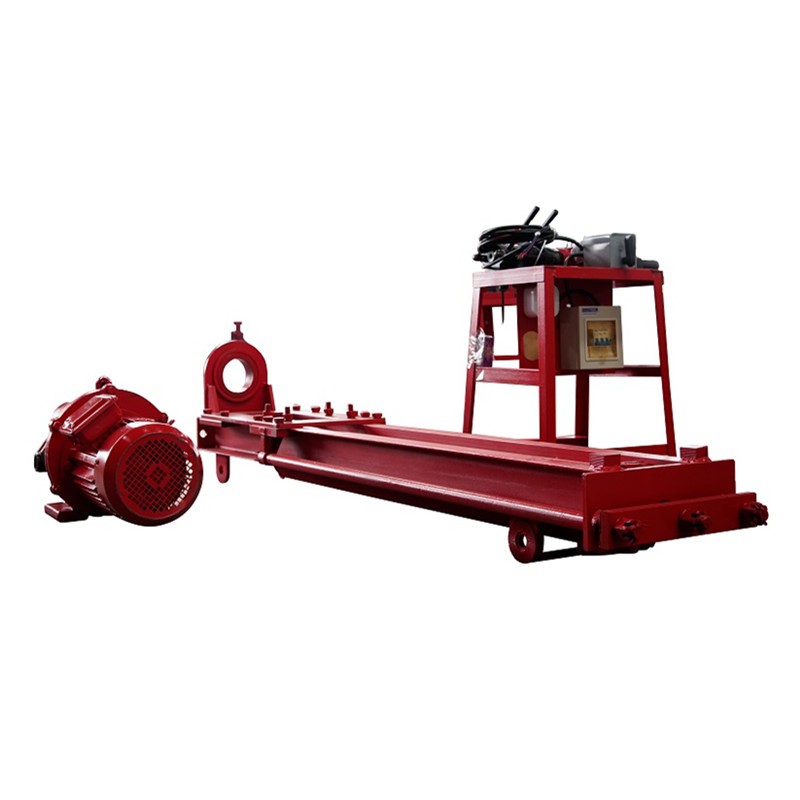
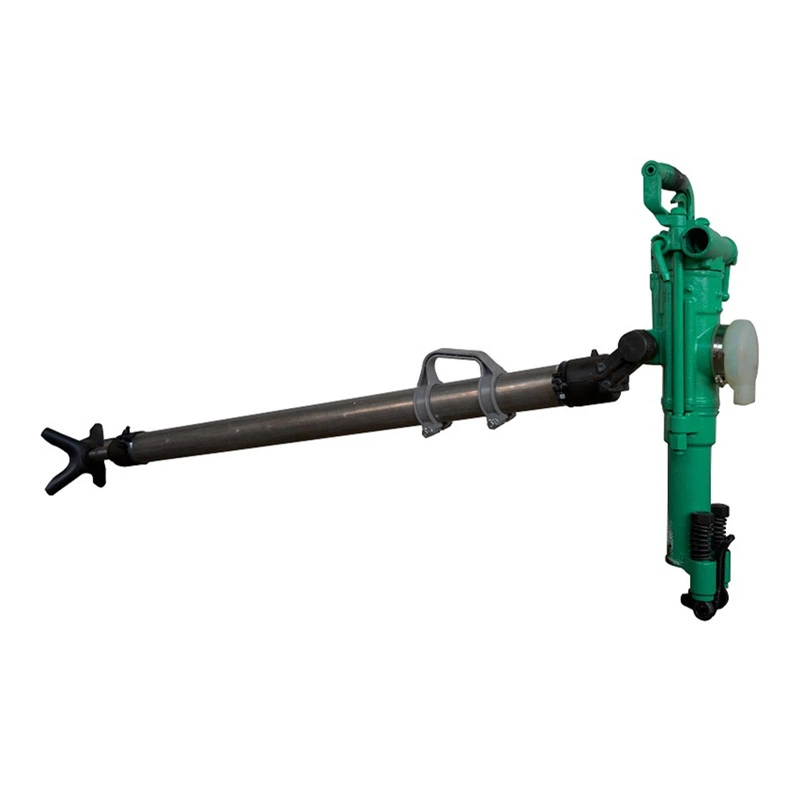
Hey there! As a supplier of crawler rock drills, I've had my fair share of experiences and knowledge about these powerful machines. One question that often pops up is, "What is the dust generation during the operation of a crawler rock drill?" Well, let's dive right into it.
How Crawler Rock Drills Work
First off, let's understand how crawler rock drills operate. These bad boys are designed to drill holes in hard rock surfaces, whether it's for mining, construction, or other industrial purposes. They come in different types, like Pneumatic Crawler Drill, Crawler Drill Machine Crawler Rig, and Crawler Hydraulic Drilling Rig.
The basic principle involves a drill bit that rotates and applies pressure to the rock. As the bit grinds into the rock, it breaks it down into smaller pieces. This process is what generates dust.
Factors Affecting Dust Generation
There are several factors that influence how much dust is produced during the operation of a crawler rock drill.
Rock Type
Different types of rocks have different hardness and composition, which directly affect dust generation. For example, softer rocks like limestone tend to produce more dust compared to harder rocks like granite. When the drill bit encounters a softer rock, it can break it down more easily, resulting in a larger volume of fine particles being released into the air.
Drill Bit Design
The design of the drill bit also plays a crucial role. A dull or worn-out drill bit may not cut through the rock efficiently, causing it to grind and crush the rock more, which in turn generates more dust. On the other hand, a well-designed and sharp drill bit can make cleaner cuts, reducing dust production.
Drilling Parameters
Parameters such as drilling speed, feed rate, and pressure can all impact dust generation. Higher drilling speeds and feed rates generally result in more dust being produced. This is because the drill bit is moving through the rock more quickly, breaking it down at a faster pace and releasing more particles into the air. Similarly, applying too much pressure can also cause excessive dust generation.
Dust Generation Mechanisms
There are two main mechanisms through which dust is generated during the operation of a crawler rock drill:
Mechanical Abrasion
As the drill bit rotates and grinds against the rock, it causes mechanical abrasion. This process breaks the rock into smaller pieces, and some of these pieces are small enough to become airborne as dust. The friction between the drill bit and the rock also generates heat, which can further break down the rock particles into finer dust.


Fragmentation
When the drill bit penetrates the rock, it creates fractures and cracks. As the drill continues to operate, these fractures expand, and the rock breaks into fragments. Some of these fragments are small enough to be carried away by the air currents generated during drilling, resulting in dust generation.
Impact of Dust Generation
Dust generation during the operation of a crawler rock drill can have several negative impacts.
Health Risks
Inhalation of dust particles can pose serious health risks to workers. Fine dust particles, especially those smaller than 10 micrometers (PM10) and 2.5 micrometers (PM2.5), can penetrate deep into the lungs and cause respiratory problems such as asthma, bronchitis, and even lung cancer. Prolonged exposure to high levels of dust can also lead to silicosis, a chronic and irreversible lung disease caused by the inhalation of crystalline silica dust.
Environmental Impact
Dust can also have a significant impact on the environment. It can contaminate the air, water, and soil, affecting the quality of the surrounding ecosystem. Dust particles can settle on plants, reducing their ability to photosynthesize and grow. They can also be carried by wind and deposited in nearby bodies of water, causing water pollution.
Equipment Damage
Dust can also cause damage to the crawler rock drill and other equipment. Fine dust particles can enter the moving parts of the drill, causing wear and tear and reducing the lifespan of the equipment. They can also clog filters and ventilation systems, leading to reduced performance and increased maintenance costs.
Dust Control Measures
To minimize the negative impacts of dust generation, it's important to implement effective dust control measures.
Wet Drilling
One of the most common methods of dust control is wet drilling. This involves using water to suppress the dust generated during drilling. The water is sprayed onto the drill bit and the rock surface, which helps to capture the dust particles and prevent them from becoming airborne. Wet drilling can significantly reduce dust generation, but it requires a reliable water supply and proper drainage systems.
Dust Collection Systems
Another effective way to control dust is by using dust collection systems. These systems typically consist of a hood or enclosure that surrounds the drill bit and captures the dust as it is generated. The dust is then transported through a duct system to a collection unit, where it is filtered and removed from the air. Dust collection systems can be very effective in reducing dust emissions, but they require regular maintenance to ensure proper operation.
Personal Protective Equipment (PPE)
In addition to using dust control measures at the source, it's also important for workers to wear appropriate personal protective equipment (PPE). This includes respirators, goggles, and protective clothing. Respirators can filter out dust particles, protecting the worker's lungs from inhalation. Goggles can prevent dust from entering the eyes, and protective clothing can prevent dust from coming into contact with the skin.
Conclusion
So, there you have it! That's a basic overview of what dust generation is during the operation of a crawler rock drill. As a supplier, we understand the importance of minimizing dust generation and implementing effective dust control measures. We offer a range of crawler rock drills that are designed to be more efficient and produce less dust.
If you're in the market for a crawler rock drill or have any questions about dust generation and control, feel free to reach out to us. We'd be happy to discuss your specific needs and provide you with the best solutions. Let's work together to make your drilling operations safer and more environmentally friendly.
References
- "Rock Drilling and Blasting Handbook" by Evert Hoek and John W. Bray
- "Occupational Exposure to Respirable Crystalline Silica" by the National Institute for Occupational Safety and Health (NIOSH)
- "Dust Control in Mining and Quarrying" by the International Labour Organization (ILO)