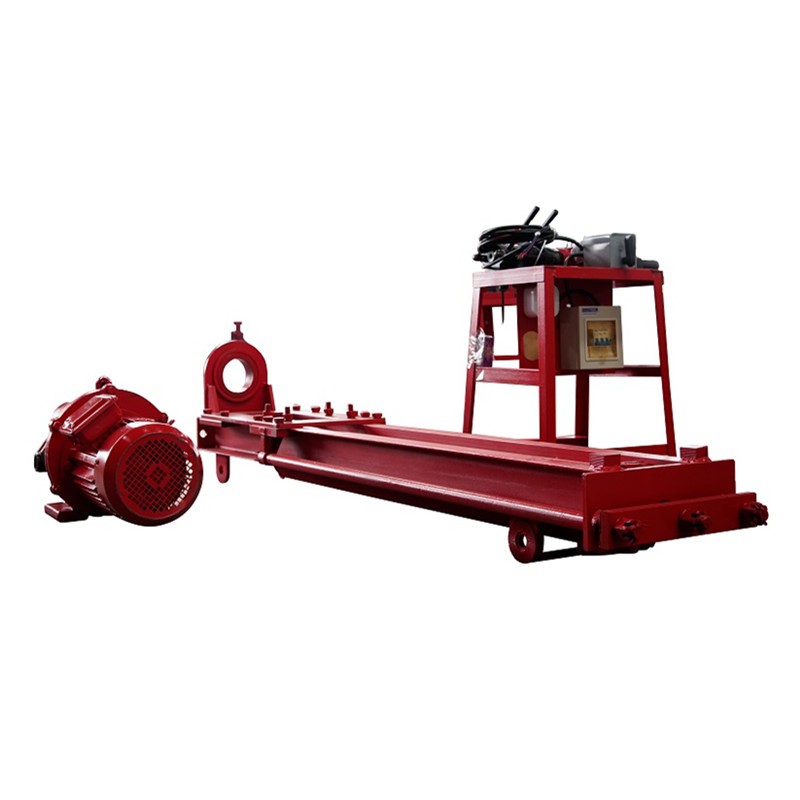
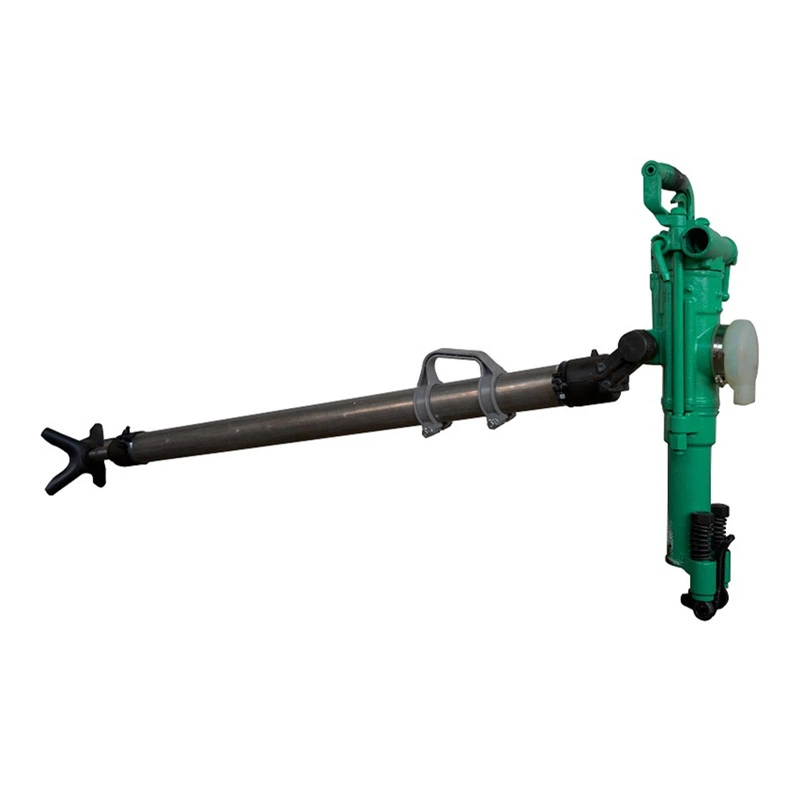
A pneumatic drill rig is a powerful and versatile piece of equipment widely used in various industries such as mining, construction, and quarrying. One of the crucial components of a pneumatic drill rig is its dust - collecting system. In this blog, as a pneumatic drill rig supplier, I will delve into what the dust - collecting system of a pneumatic drill rig is, its importance, types, and how it functions.
What is the Dust - Collecting System of a Pneumatic Drill Rig?
The dust - collecting system of a pneumatic drill rig is an essential accessory designed to capture and remove dust particles generated during the drilling process. When a pneumatic drill rig operates, it drills into hard materials like rocks, concrete, or soil. This action creates a significant amount of dust, which can be harmful to both the environment and the health of workers on - site. The dust - collecting system works to minimize the dispersion of these dust particles into the surrounding air.
Importance of the Dust - Collecting System
Health Protection
The dust generated during drilling operations often contains harmful substances such as silica. Inhaling silica dust can lead to serious health problems, including silicosis, a chronic and irreversible lung disease. By effectively collecting dust, the system helps protect the respiratory health of workers. For example, in a mining environment where pneumatic drill rigs are commonly used, workers are at high risk of silica dust exposure. A well - functioning dust - collecting system can significantly reduce this risk.
Environmental Protection
Dust pollution can have a negative impact on the environment. It can contaminate soil, water sources, and vegetation. In addition, airborne dust can contribute to air pollution, reducing air quality in the surrounding area. The dust - collecting system helps to mitigate these environmental impacts by preventing dust from being released into the atmosphere.
Equipment Longevity
Dust can also cause damage to the pneumatic drill rig itself. Fine dust particles can enter the moving parts of the rig, causing wear and tear, and potentially leading to mechanical failures. By keeping the working environment clean, the dust - collecting system helps to extend the lifespan of the drill rig and reduce maintenance costs.
Types of Dust - Collecting Systems
Cyclone Dust Collectors
Cyclone dust collectors are a common type of dust - collecting system used in pneumatic drill rigs. They work based on the principle of centrifugal force. When the dusty air enters the cyclone, it spins rapidly. The centrifugal force throws the dust particles towards the walls of the cyclone, where they fall to the bottom and are collected in a hopper. Clean air then exits from the top of the cyclone. Cyclone dust collectors are relatively simple in design, cost - effective, and can handle large volumes of dust. However, they are less effective at capturing very fine dust particles.
Baghouse Dust Collectors
Baghouse dust collectors use fabric filter bags to capture dust. The dusty air passes through the filter bags, and the dust particles are trapped on the surface of the bags. Periodically, the bags are cleaned by methods such as reverse - air cleaning or pulse - jet cleaning. Baghouse dust collectors are highly efficient at capturing fine dust particles and can achieve a high level of air purification. However, they require more maintenance, especially the replacement of filter bags over time.


Wet Dust Collectors
Wet dust collectors use water to capture dust. The dusty air is passed through a water - filled chamber, where the dust particles are wetted and then separated from the air. Wet dust collectors are effective at capturing both large and fine dust particles and can also help to reduce the risk of fire and explosion in environments where combustible dust is present. However, they require a water supply and proper disposal of the collected dust - laden water.
How the Dust - Collecting System Functions
The dust - collecting system of a pneumatic drill rig typically consists of several components, including a dust inlet, a dust - collecting unit, and a fan or blower.
The dust inlet is located near the drill bit. As the drill bit penetrates the material, the dust generated is immediately drawn into the inlet by the suction force created by the fan or blower. The inlet is designed to be as close as possible to the source of dust generation to ensure maximum dust capture efficiency.
The dust - laden air then travels through a duct to the dust - collecting unit. Depending on the type of dust - collecting system, the dust is separated from the air inside the unit. For example, in a cyclone dust collector, the centrifugal force separates the dust; in a baghouse dust collector, the filter bags trap the dust; and in a wet dust collector, the water captures the dust.
After the dust is separated, the clean air is discharged back into the environment or recirculated within the drill rig's enclosure. The collected dust is usually stored in a container or hopper, which can be emptied periodically.
Our Company's Offerings
As a pneumatic drill rig supplier, we offer a range of high - quality dust - collecting systems for our drill rigs. Our systems are designed to be efficient, reliable, and easy to maintain. We understand the importance of dust control in different industries, and we customize our solutions to meet the specific needs of our customers.
We have a variety of dust - collecting systems available for different types of pneumatic drill rigs, including Dth Rock Drilling Rig, Mini Borehole Drilling Machine, and Hand Held Rock Drilling Machine. Our cyclone dust collectors are ideal for applications where large volumes of dust need to be handled, while our baghouse dust collectors are suitable for environments where high - level dust purification is required.
Contact Us for Purchase and Negotiation
If you are in the market for a pneumatic drill rig or need to upgrade your existing dust - collecting system, we invite you to contact us. Our team of experts is ready to provide you with detailed information about our products, offer technical support, and assist you in finding the most suitable solution for your needs. Whether you are a small - scale construction company or a large - scale mining operation, we can help you improve your dust control and enhance the performance of your drill rig.
References
- "Industrial Ventilation: A Manual of Recommended Practice", American Conference of Governmental Industrial Hygienists.
- "Dust Control Technology Handbook", William C. Turpin and David A. Hunt.
- "Occupational Exposure to Respirable Crystalline Silica", National Institute for Occupational Safety and Health.