When it comes to the extraction of minerals, quarrying, and other rock - related projects, crawler rock drills play a pivotal role. As a well - established crawler rock drill supplier, I'm often asked about the drilling diameter range of these powerful machines. In this blog, I aim to provide a comprehensive understanding of the topic, delving into factors influencing the range, typical values, and how it impacts different applications.
Understanding Crawler Rock Drills
Crawler rock drills are robust and maneuverable machines designed to penetrate hard rock surfaces. They are mounted on crawlers, which provide excellent mobility over various terrains, making them suitable for a wide range of on - site operations. These drills are essential in the mining industry, construction projects like building tunnels or dams, and in quarrying for extracting stones.
Factors Influencing the Drilling Diameter Range
Several factors contribute to determining the drilling diameter range of a crawler rock drill:
Drill Bit Design
The design of the drill bit is perhaps the most fundamental factor. Different drill bit geometries are engineered to achieve specific drilling diameters. For instance, button bits are commonly used for smaller to medium - sized diameters. Their design allows for efficient rock penetration and can be manufactured in a variety of sizes to meet different requirements. On the other hand, roller cone bits are more suitable for larger diameters and are better at handling the increased forces involved in drilling wider holes.
Machine Power
The power of the crawler rock drill is directly related to its ability to drill larger diameters. More powerful drills can provide the necessary force to drive the drill bit through the rock and maintain the required rotational speed. A high - powered machine can handle larger drill bits and generate enough torque to break up the rock, while a less powerful one may be limited to smaller diameter holes.
Rock Type
The hardness and structure of the rock being drilled also influence the achievable diameter. Harder rocks, such as granite, require more force to penetrate. In such cases, the drill may need to use a smaller diameter bit to reduce the load on the machine and ensure efficient drilling. Softer rocks, like limestone, can generally tolerate larger diameter bits without overloading the drill.
Application Requirements
The specific application for which the drilling is being done also plays a role. In mining, for example, the diameter of the holes may be determined by the type of explosive used and the blasting pattern. If a large - scale blasting operation is planned, larger diameter holes may be required to accommodate a sufficient amount of explosive. In construction projects like foundation drilling, the diameter may be based on the size of the foundation elements to be installed.
Typical Drilling Diameter Ranges
The drilling diameter range of crawler rock drills can vary significantly depending on the model and the manufacturer. Generally, the lower end of the range starts at around 38 mm (1.5 inches). These smaller diameters are often used in applications such as rock bolting, where relatively small holes are drilled to insert bolts for stabilizing rock slopes or underground tunnels.
For medium - sized applications, the diameter can range from 51 mm (2 inches) to 102 mm (4 inches). This range is commonly used in quarrying for creating blast holes, as well as in some construction projects for tasks like soil nailing.
On the upper end, some heavy - duty crawler rock drills can achieve drilling diameters of up to 311 mm (12.25 inches) or more. These large - diameter drills are typically used in large - scale mining operations or in the construction of large - scale infrastructure projects, such as the construction of large - diameter tunnels.
Impact of Drilling Diameter on Different Applications
Mining
In the mining industry, the choice of drilling diameter is crucial for the efficiency of the extraction process. Smaller diameter holes may be used for precision drilling in areas where selective mining is required. For example, in precious metal mining, smaller holes can be drilled to target specific ore veins with minimal disturbance to the surrounding rock.
Larger diameter holes, on the other hand, are used for bulk mining operations. They can accommodate more explosive, which leads to larger rock fragments being broken loose in a single blast. This reduces the number of blasts required and increases the overall productivity of the mining site.


Quarrying
Quarrying operations involve extracting large blocks of stone from the earth. The drilling diameter is selected based on the size of the blocks to be quarried. Smaller diameters can be used for cutting through the stone to create separation planes, while larger diameters are used for creating holes for wedges or other splitting mechanisms. A proper choice of diameter ensures that the quarried blocks are of the desired size and quality.
Construction
In construction, the drilling diameter is determined by the specific project requirements. For example, in the construction of foundations, the diameter of the drilled holes is designed to match the size of the foundation piles. Larger diameter piles are generally used for larger and heavier structures to provide greater load - bearing capacity.
The Role of Our Crawler Rock Drills
As a crawler rock drill supplier, we offer a wide range of machines with different drilling diameter capabilities. Our crawler rock drills are designed with the latest technology to ensure high - efficiency drilling in various rock conditions. Whether you need a drill for small - scale rock bolting or large - scale mining operations, we have the right solution for you.
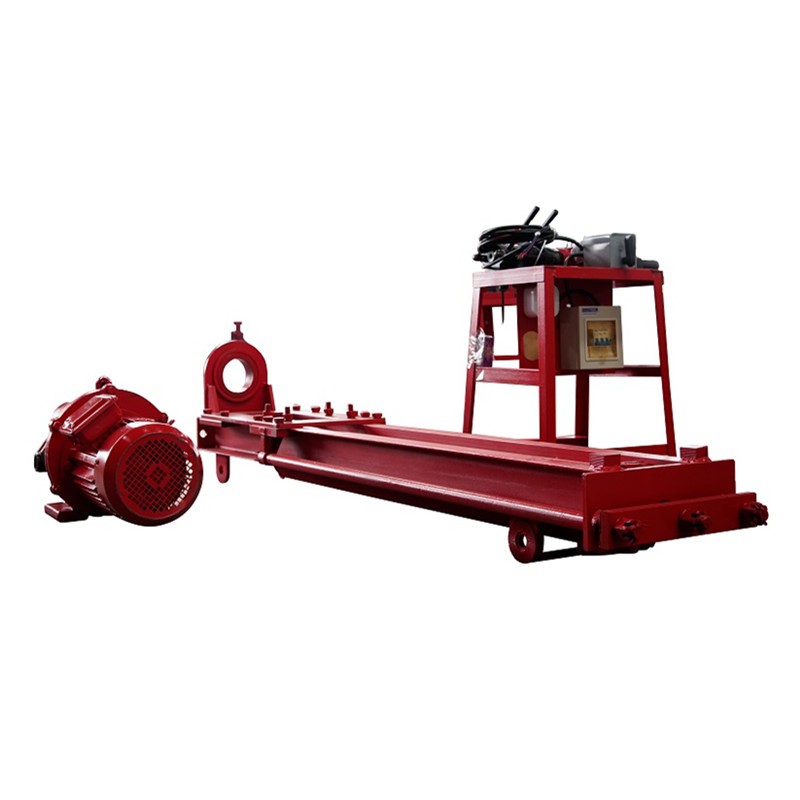
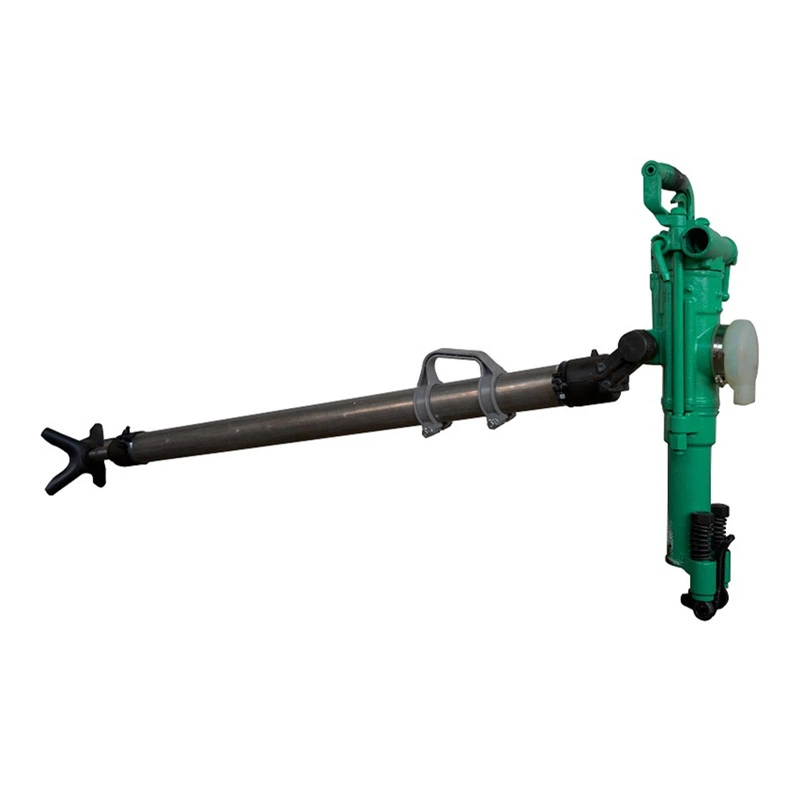
Our Crawler Drill Machine Crawler Rig is known for its reliability and versatility. It can handle a medium - range of drilling diameters, making it suitable for a variety of applications, including quarrying and construction. The Drilling Machine Used in Mines is specifically engineered for the harsh conditions of mining sites. It has a high - power engine and is capable of drilling larger diameter holes with ease. And our Crawler Hydraulic Drilling Rig offers precise control over the drilling process, allowing for accurate hole diameters even in challenging rock formations.
Contact Us for Your Drilling Needs
If you are in the market for a crawler rock drill and need more information about the drilling diameter range that suits your project, or if you have any other questions regarding our products, we are here to assist you. Our team of experts can provide detailed advice and guidance to help you make the right choice. Don't hesitate to reach out to us for a consultation. We look forward to working with you on your next project.
References
- Smith, J. (2020). Rock Drilling Technology. Mining Press.
- Johnson, A. (2019). Construction Drilling Handbook. Construction Publishing.
- Brown, R. (2021). Quarrying Operations and Equipment. Quarry Journal.