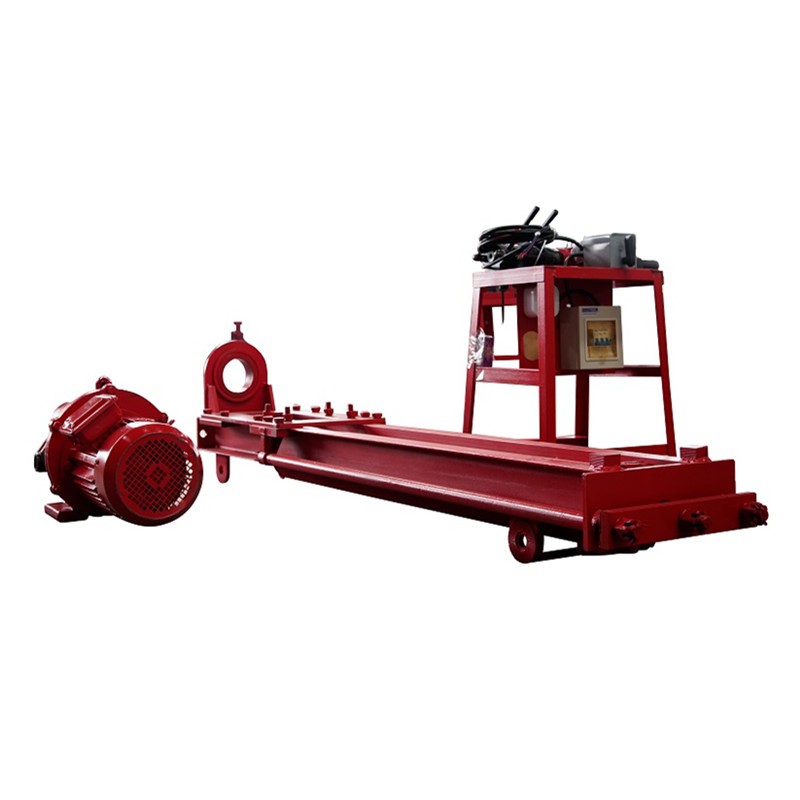
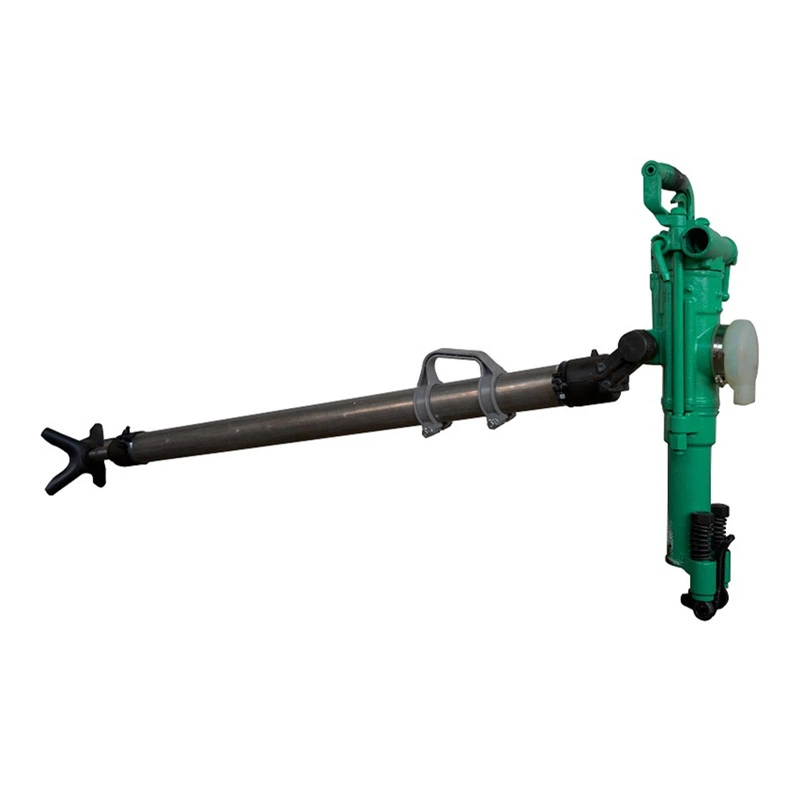
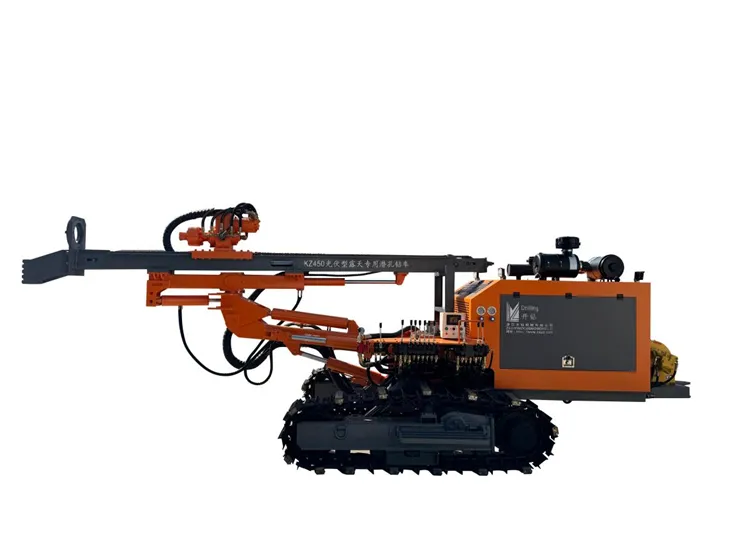
Hey there! As a supplier of Pneumatic Crawler Drills, I know how crucial it is to pick the right drill for your project. A wrong choice can lead to inefficiencies, extra costs, and even safety issues. So, in this blog, I'll share some tips on how to choose the perfect Pneumatic Crawler Drill for your needs.

1. Understand Your Project Requirements
First things first, you gotta have a clear understanding of your project. What kind of terrain are you working on? Is it soft soil, hard rock, or something in between? The type of ground will greatly affect the performance of the drill. For instance, if you're dealing with hard rock, you'll need a drill with more power and a stronger hammer mechanism.
Also, think about the depth and diameter of the holes you need to drill. Different projects require different hole sizes and depths. Some drills are better suited for shallow, wide holes, while others are designed for deep, narrow ones. Make a list of these requirements before you start looking at drills.
2. Consider the Drill's Power Source
Pneumatic Crawler Drills are powered by compressed air. But the source of that compressed air can vary. You can have an on - board air compressor, or you can connect the drill to an external air supply.
If you choose a drill with an on - board air compressor, it offers more mobility. You can move the drill around the site without having to worry about finding an external air source. However, these drills can be heavier and more expensive. On the other hand, drills that rely on an external air supply are usually lighter and more affordable. But you'll need to have access to a reliable external air compressor, which might limit your mobility.
3. Evaluate the Drill's Mobility
The mobility of the drill is another important factor. Crawler drills are great because they can move easily on rough terrains. But you still need to consider the size and weight of the drill. A smaller, lighter drill will be more maneuverable, especially in tight spaces. However, a larger, heavier drill might be more stable and better suited for heavy - duty projects.
Also, look at the drill's turning radius. A smaller turning radius means the drill can make sharper turns, which is useful if you're working in a confined area.
4. Check the Drill's Drilling Performance
The drilling performance of the Pneumatic Crawler Drill is a key consideration. Look at the drill's penetration rate, which is how fast it can drill through the ground. A higher penetration rate means you can complete your project more quickly.
The drill's torque is also important. Torque is the force that rotates the drill bit. More torque allows the drill to handle tougher materials. Some drills come with adjustable torque settings, which gives you more flexibility depending on the type of ground you're drilling.
5. Look at the Drill's Durability and Maintenance
You want a drill that will last. Check the quality of the materials used in the drill's construction. Drills made from high - quality steel and other durable materials are more likely to withstand the wear and tear of regular use.
Maintenance is also a big deal. A drill that's easy to maintain will save you time and money in the long run. Look for drills with accessible parts and clear maintenance instructions. Some drills even come with self - diagnostic systems that can help you identify and fix problems quickly.
6. Compare Different Brands and Models
There are many brands and models of Pneumatic Crawler Drills on the market. Don't just go for the first one you see. Take the time to compare different options. Read reviews from other users to get an idea of the drill's performance, reliability, and customer service.
You can also visit trade shows or talk to other professionals in the industry. They might have some firsthand experience with different drills and can give you valuable advice.
7. Think About the Cost
Of course, cost is a major factor. But don't just focus on the upfront price. Consider the total cost of ownership, which includes the purchase price, maintenance costs, and operating costs. A cheaper drill might end up costing you more in the long run if it requires frequent repairs or has high operating costs.
Look for a drill that offers a good balance between price and performance. Sometimes, it's worth spending a little more upfront to get a drill that will last longer and perform better.
Related Products
If you're interested in other types of drilling equipment, you might want to check out these links:
Conclusion
Choosing the right Pneumatic Crawler Drill for your project is not an easy task. But by considering your project requirements, the drill's power source, mobility, performance, durability, and cost, you can make an informed decision.
If you're still not sure which drill is right for you, don't hesitate to reach out. As a supplier, I'm here to help you find the perfect drill for your needs. Whether you're working on a small - scale project or a large - scale construction site, we have a wide range of Pneumatic Crawler Drills to choose from. Contact us today to start the procurement discussion and get the best drill for your project.
References
- Industry reports on drilling equipment
- User reviews of Pneumatic Crawler Drills
- Technical specifications from drill manufacturers