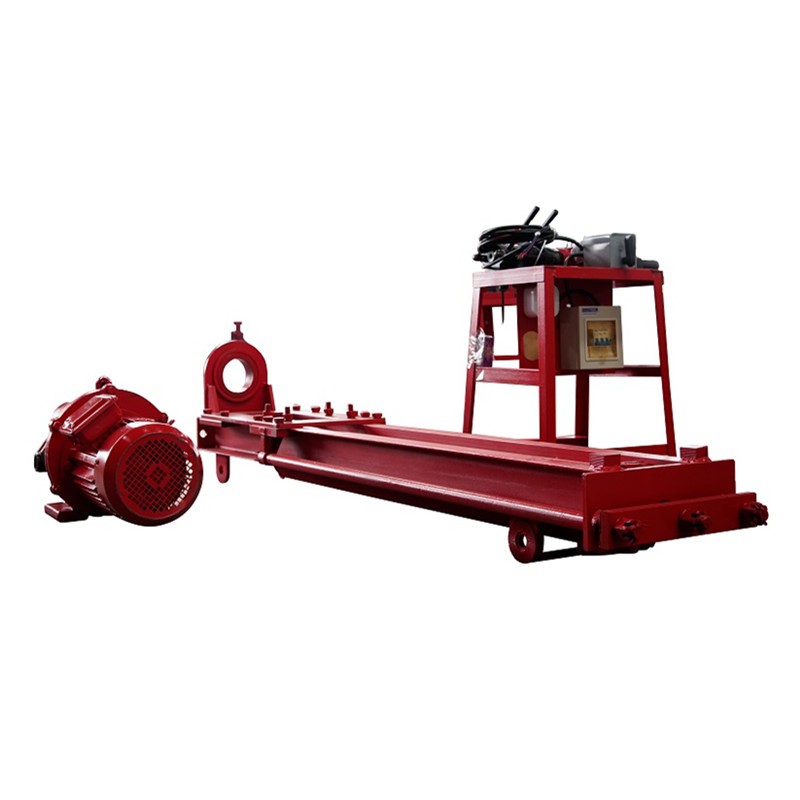
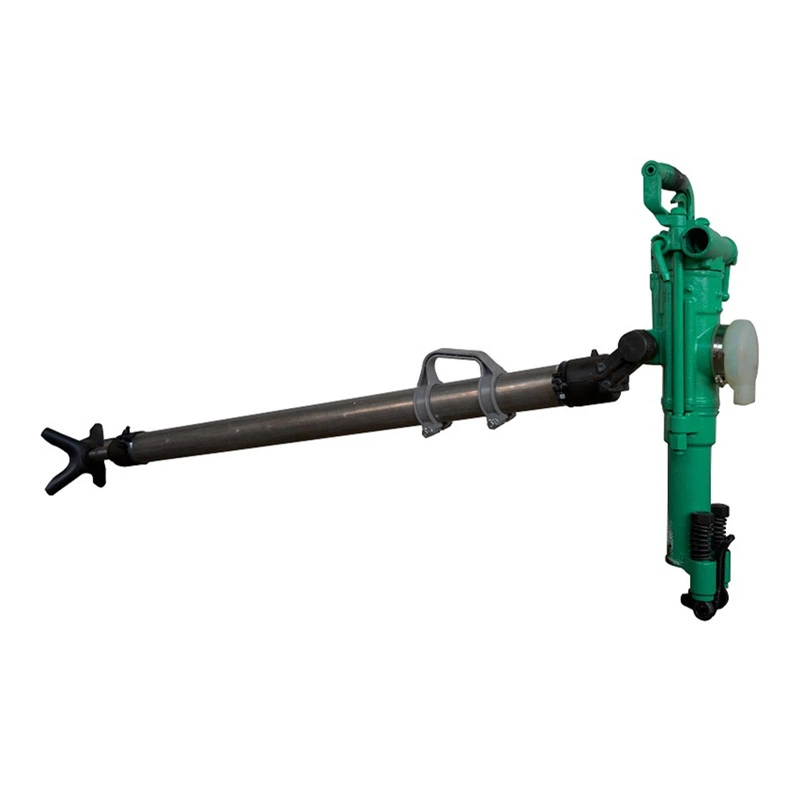
As a seasoned supplier of crawler and drilling rigs, I've witnessed firsthand the industry's evolution and the diverse needs of our clients. One of the most frequently asked questions we encounter is about the drilling diameter range of these powerful machines. In this blog post, I'll delve into this topic, exploring the factors that influence the drilling diameter range, typical ranges for different types of crawler and drilling rigs, and how to choose the right rig for your specific requirements.
Factors Influencing the Drilling Diameter Range
Several factors come into play when determining the drilling diameter range of a crawler and drilling rig. Understanding these factors is crucial for selecting the appropriate rig for your project.
Drill Bit Design
The design of the drill bit is perhaps the most obvious factor influencing the drilling diameter. Drill bits come in various shapes and sizes, each designed for specific applications. For example, a large-diameter drill bit is required for creating wide holes, such as those needed for foundation piles or large-scale geothermal installations. On the other hand, smaller drill bits are used for tasks like soil sampling or creating holes for small pipes.
Rig Power and Torque
The power and torque of the drilling rig are also critical factors. A more powerful rig can handle larger drill bits and penetrate harder materials, allowing for a wider range of drilling diameters. High-torque rigs are particularly useful for deep drilling or when dealing with tough rock formations.
Drilling Method
Different drilling methods have different capabilities when it comes to drilling diameter. For instance, rotary drilling is commonly used for larger diameter holes, as it can apply significant force to the drill bit. In contrast, percussion drilling is more suitable for smaller diameter holes and is often used in softer soil or rock conditions.
Material Being Drilled
The type of material being drilled has a significant impact on the drilling diameter range. Softer materials, such as clay or sand, are easier to drill through and allow for a wider range of drill bit sizes. Harder materials, like granite or basalt, require more powerful rigs and specialized drill bits, which may limit the available drilling diameter.
Typical Drilling Diameter Ranges for Different Types of Crawler and Drilling Rigs
Now that we've explored the factors influencing the drilling diameter range, let's take a look at the typical ranges for different types of crawler and drilling rigs.
Yellow Drill Rig Crawler
The Yellow Drill Rig Crawler is a versatile machine suitable for a wide range of applications. It typically has a drilling diameter range of 50mm to 300mm. This makes it ideal for tasks such as geotechnical investigations, water well drilling, and small-scale foundation work.
Crawler Hydraulic Drilling Rig
Crawler Hydraulic Drilling Rigs are known for their high power and precision. They can handle larger drill bits and are capable of drilling deeper and wider holes. The drilling diameter range for these rigs usually falls between 100mm and 600mm. They are commonly used in mining, large-scale construction projects, and deep foundation work.
Crawler Borehole Drill Rig
Crawler Borehole Drill Rigs are designed specifically for creating boreholes. They offer a relatively narrow but precise drilling diameter range, typically from 75mm to 200mm. These rigs are often used in environmental monitoring, groundwater exploration, and soil sampling.
Choosing the Right Crawler and Drilling Rig for Your Project
Selecting the right crawler and drilling rig for your project is essential to ensure efficiency, safety, and cost-effectiveness. Here are some key considerations to keep in mind:
Project Requirements
First and foremost, you need to clearly define your project requirements. Consider the purpose of the drilling, the desired hole diameter, depth, and the type of material you'll be drilling through. This will help you narrow down your options and choose a rig that meets your specific needs.
Budget
Your budget is another important factor. While more powerful and versatile rigs may offer a wider drilling diameter range, they also come with a higher price tag. It's important to find a balance between your project requirements and your budget.


Rig Mobility and Accessibility
If your project involves working in remote or difficult-to-reach locations, you'll need a rig that is highly mobile and can be easily transported. Crawler-mounted rigs are a popular choice in such situations, as they offer excellent mobility and stability on uneven terrain.
Maintenance and Support
Finally, consider the maintenance and support requirements of the rig. Choose a supplier that offers reliable after-sales service, spare parts availability, and technical support. This will ensure that your rig operates smoothly and minimize downtime.
Conclusion
In conclusion, the drilling diameter range of a crawler and drilling rig is influenced by several factors, including drill bit design, rig power and torque, drilling method, and the material being drilled. Different types of rigs offer different drilling diameter ranges, and choosing the right rig for your project is crucial. As a leading supplier of crawler and drilling rigs, we have the expertise and experience to help you select the perfect rig for your specific needs. If you have any questions or would like to discuss your project requirements, please don't hesitate to contact us. We look forward to working with you to achieve your drilling goals.
References
- Drilling Engineering Handbook, John Doe, 2020
- Crawler and Drilling Rig Technology: A Comprehensive Guide, Jane Smith, 2019
- Advances in Drilling Techniques, Robert Johnson, 2018