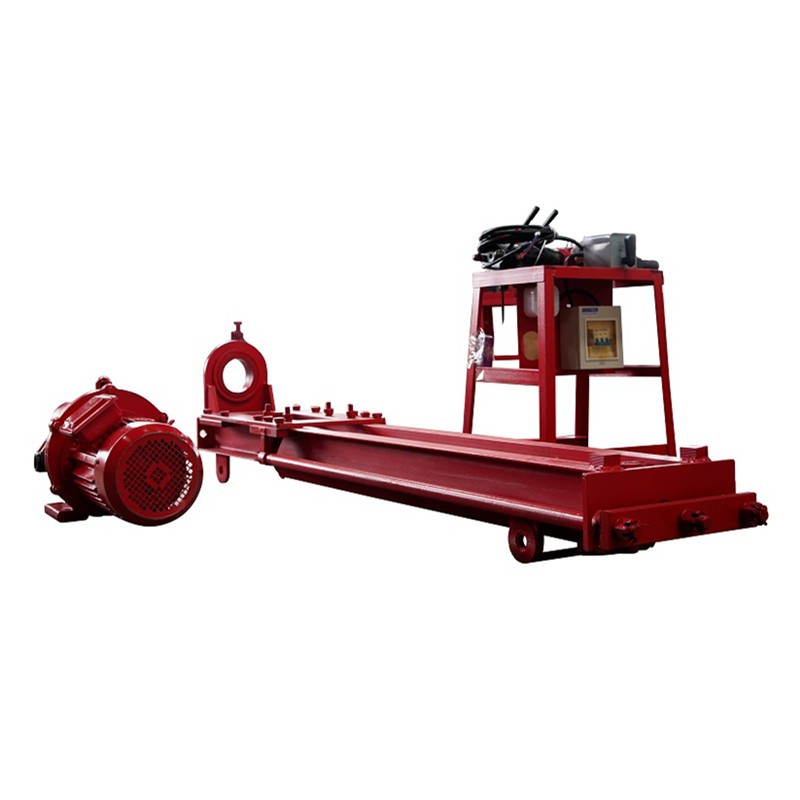
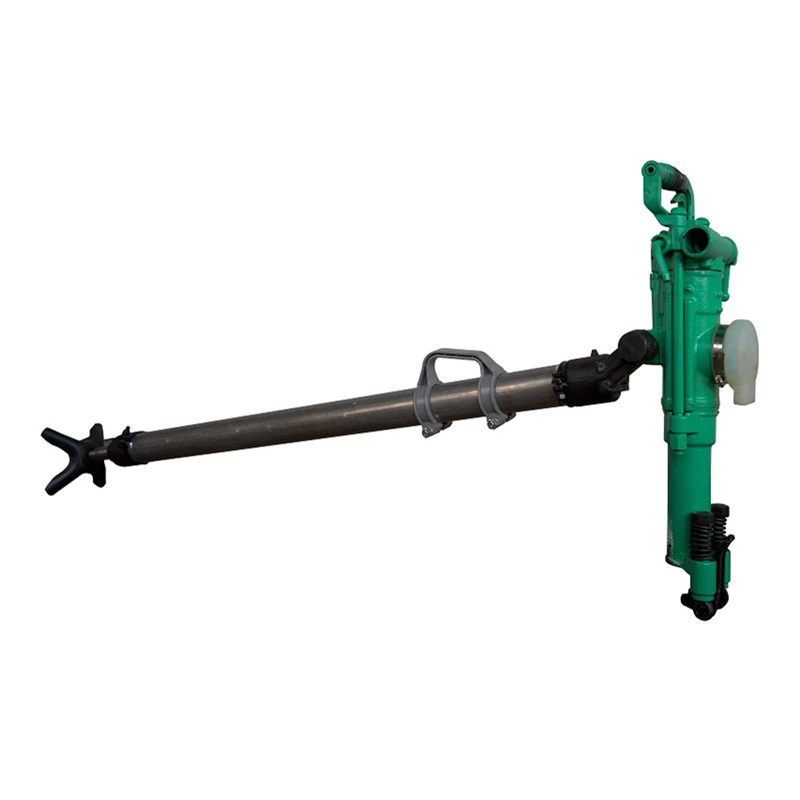
Hey there! As a supplier of Pusher Leg Rock Drills, I often get asked about how these bad boys stay cool during operation. So, let's dive right into the cooling methods of a Pusher Leg Rock Drill.
Why Cooling is Crucial
First things first, why do we even need to cool a rock drill? Well, when a Pusher Leg Rock Drill is in action, it's constantly hammering and rotating to break through tough rock surfaces. This intense mechanical work generates a whole lot of heat. If this heat isn't managed properly, it can lead to a bunch of problems. The components of the drill can overheat, which might cause them to expand and wear out faster. In extreme cases, it can even lead to component failure, leaving you with a useless drill and a big headache. So, cooling is not just a nice - to - have; it's essential for the longevity and efficiency of the drill.
Air Cooling
One of the most common cooling methods for Pusher Leg Rock Drills is air cooling. It's a simple and effective way to keep the drill at a reasonable temperature.
The basic principle behind air cooling is pretty straightforward. The drill is designed with fins or ridges on its outer surface. These fins increase the surface area of the drill. When the drill is operating, air flows over these fins. As the air passes, it absorbs the heat from the drill and carries it away. It's like a natural heat exchanger.
Most Pusher Leg Rock Drills are used in open - air environments, such as mines or construction sites. The constant movement of air in these areas helps with the cooling process. Additionally, the drill's own movement can create a sort of wind that enhances the airflow over the fins.
However, air cooling does have its limitations. In hot and humid environments, the air may already be saturated with heat and moisture, making it less effective at absorbing heat from the drill. Also, if the drill is used in a confined space where there is limited airflow, the cooling efficiency can drop significantly.
Water Cooling
Another popular cooling method is water cooling. Water has a much higher heat capacity than air, which means it can absorb more heat before its temperature rises.
In a water - cooled Pusher Leg Rock Drill, there is a system of channels or tubes inside the drill. Water is circulated through these channels. As the water flows, it picks up the heat generated by the drill's operation. The heated water then flows out of the drill and into a radiator or a cooling tank, where it releases the heat to the surrounding environment.
One of the big advantages of water cooling is its ability to maintain a more stable temperature. It can handle high - intensity drilling operations better than air cooling, as it can continuously remove large amounts of heat.
But there are also some downsides to water cooling. It requires a more complex setup, including a water source, a pump to circulate the water, and a radiator or cooling system. This adds to the cost and complexity of the drill. Also, in cold climates, there is a risk of the water freezing inside the drill, which can damage the components.
Oil Cooling
Oil cooling is another option for Pusher Leg Rock Drills. Oil has good lubricating properties in addition to its cooling ability.
In an oil - cooled drill, the drill's internal components are bathed in oil. As the components generate heat during operation, the oil absorbs the heat. The oil is then circulated through a cooler, similar to the water - cooling setup. The cooler helps to dissipate the heat from the oil, and the cooled oil is then returned to the drill.

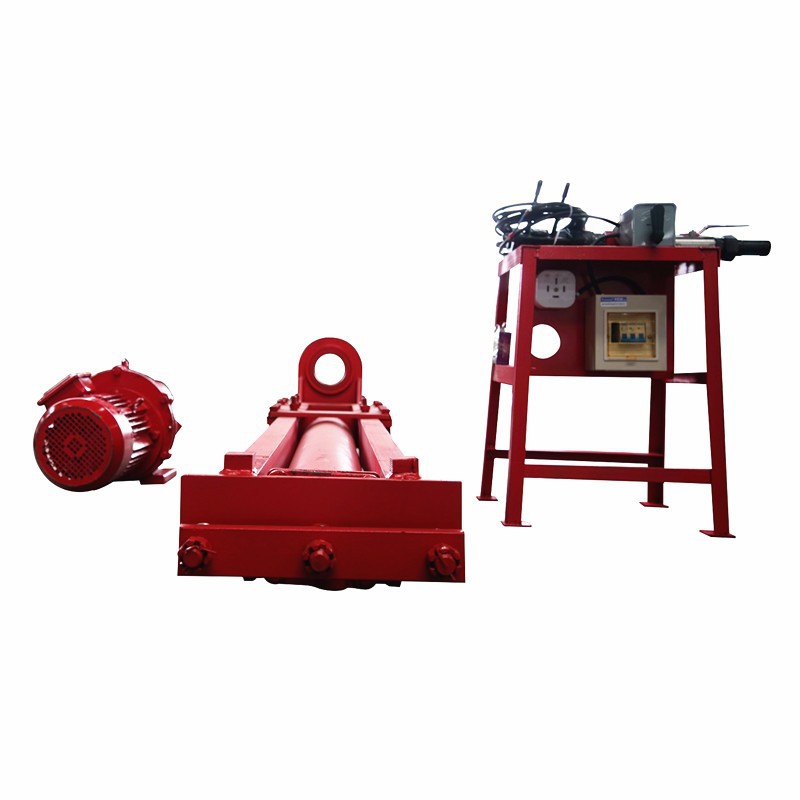
The advantage of oil cooling is that it not only cools the drill but also lubricates the moving parts, reducing friction and wear. This can lead to a longer lifespan for the drill.
However, oil cooling also has its drawbacks. The oil needs to be changed regularly to maintain its cooling and lubricating properties. Also, leaks can be a problem, and if not detected and fixed quickly, they can lead to environmental contamination.
Hybrid Cooling Systems
Some manufacturers are now starting to use hybrid cooling systems that combine the advantages of air, water, and oil cooling. For example, a drill might use air cooling as a primary method for normal - load operations, and then switch to water or oil cooling when the drill is under heavy load or when the ambient temperature is too high for air cooling to be effective.
These hybrid systems offer the best of both worlds, providing efficient cooling in a wide range of operating conditions. But they also come with an increased level of complexity and cost.
Choosing the Right Cooling Method
When it comes to choosing the right cooling method for a Pusher Leg Rock Drill, several factors need to be considered.
The operating environment is a major factor. If the drill is going to be used in a hot and dry climate with plenty of open space, air cooling might be sufficient. But if it's going to be used in a more extreme environment, such as deep underground mines where the temperature is high and the air circulation is poor, water or oil cooling might be a better choice.
The intensity of the drilling operation also matters. For light - duty drilling, air cooling might do the job. But for heavy - duty, continuous drilling, a more advanced cooling system like water or oil cooling is recommended.
Cost is always a consideration as well. Air - cooled drills are generally cheaper and simpler to maintain. Water - cooled and oil - cooled drills, on the other hand, are more expensive upfront and require more maintenance, but they can offer better performance and longer service life.
Our Offerings
At our company, we offer a variety of Pusher Leg Rock Drills with different cooling methods to suit your specific needs. If you're looking for a more compact and cost - effective option, you might want to check out our Compact Rock Drill Rigs. These rigs often use air - cooling systems and are perfect for smaller - scale drilling operations.
For those who need a more powerful and reliable drill for heavy - duty tasks, our Compact Rock Drilling Hydraulic Machine with water or oil cooling is an excellent choice. It can handle tough rock formations with ease and maintain optimal performance even under extreme conditions.
If you're dealing with small - borehole drilling, our Mini Borehole Drilling Machine is designed to be efficient and precise. It also comes with a suitable cooling system to ensure smooth operation.
Let's Connect
If you have any questions about the cooling methods of our Pusher Leg Rock Drills or if you're interested in making a purchase, don't hesitate to reach out. We're here to help you find the perfect drill for your project and ensure that it works at its best for years to come. Whether you're a small - scale contractor or a large mining company, we've got the solution for you.
References
- "Rock Drilling Technology Handbook", various authors