What is the air consumption of a Pusher Leg Rock Drill?
As a supplier of Pusher Leg Rock Drills, I often encounter inquiries from customers about the air consumption of these powerful tools. Understanding the air consumption of a Pusher Leg Rock Drill is crucial for efficient operation, cost - effectiveness, and ensuring that your compressed air system can meet the demands of the equipment.
The Basics of Pusher Leg Rock Drills
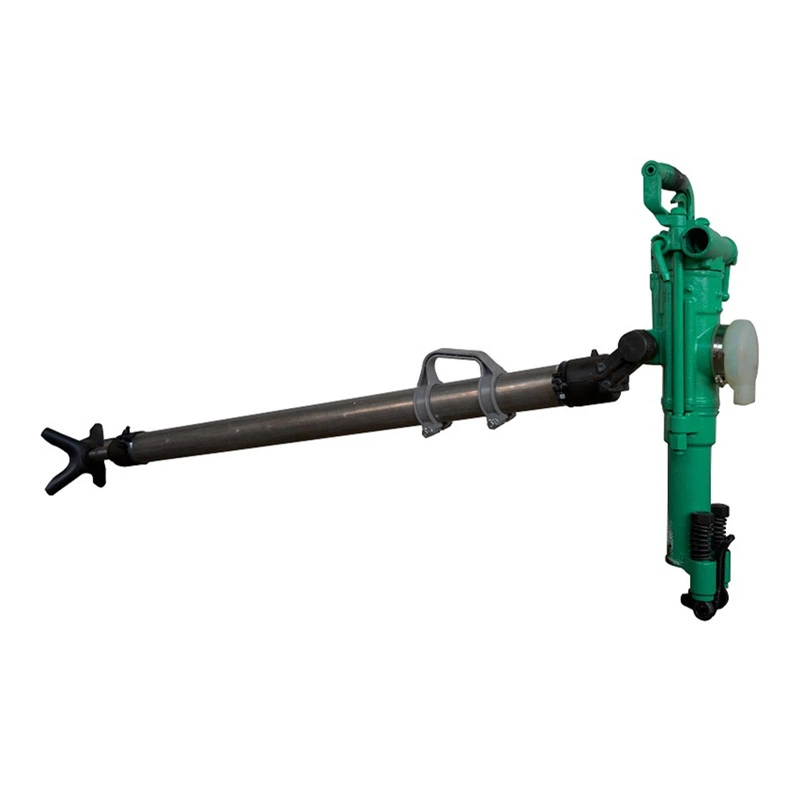
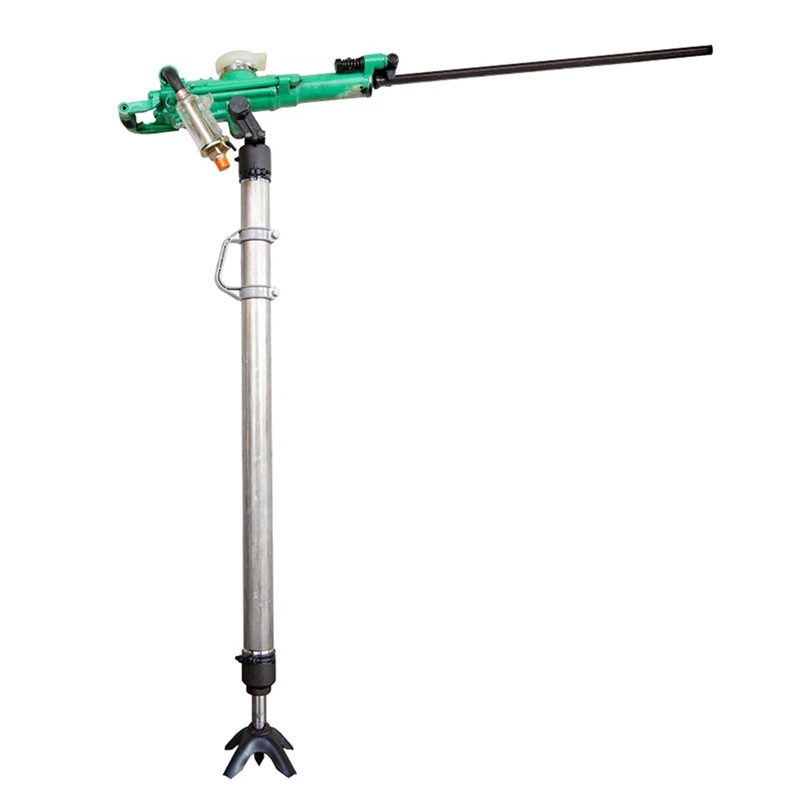
Pusher Leg Rock Drills are widely used in the mining, construction, and quarrying industries. They are designed to drill holes in hard rock surfaces with the help of a leg that provides thrust and stability. These drills are powered by compressed air, which drives the piston inside the drill to create the hammering action needed to break through the rock.
The link to our Pusher Leg Rock Drill product page offers a detailed look at the features and specifications of our drills.
Factors Affecting Air Consumption
Several factors influence the air consumption of a Pusher Leg Rock Drill. The first and most obvious is the drill's size and power. Larger drills with more powerful motors generally require more air to operate effectively. For example, a heavy - duty drill designed for large - scale mining operations will have a higher air consumption compared to a smaller drill used for light construction work.
The drilling conditions also play a significant role. Drilling through hard rock requires more force, which means the drill has to work harder. As a result, it will consume more air. In contrast, drilling through softer rock or soil will require less air as the drill encounters less resistance.
The operating pressure of the compressed air system is another crucial factor. Pusher Leg Rock Drills are designed to operate within a specific pressure range. If the pressure is too low, the drill may not function properly, and if it is too high, it can lead to excessive wear and tear on the drill components, as well as increased air consumption. Most drills are designed to operate at pressures between 60 - 100 psi (pounds per square inch).
Measuring Air Consumption
Air consumption is typically measured in cubic feet per minute (CFM). This measurement indicates the volume of air that the drill uses in one minute. To determine the air consumption of a Pusher Leg Rock Drill, manufacturers conduct tests under standard operating conditions. These tests involve running the drill at a specific pressure and load and measuring the amount of air that is consumed.
The air consumption rating provided by the manufacturer is a valuable piece of information for customers. It allows them to size their compressed air systems correctly. For example, if a drill has an air consumption rating of 80 CFM, the compressed air system should be able to supply at least 80 CFM to ensure proper operation.
Importance of Proper Air Supply
Ensuring that your Pusher Leg Rock Drill has an adequate and consistent air supply is essential for several reasons. First, it affects the drill's performance. If the air supply is insufficient, the drill may not be able to generate enough force to break through the rock effectively. This can lead to slower drilling speeds, increased wear on the drill bit, and overall inefficiency.
Second, proper air supply is crucial for the longevity of the drill. When a drill operates with an inconsistent or insufficient air supply, it can cause excessive stress on the internal components. This can lead to premature failure of parts such as the piston, valves, and bearings, resulting in costly repairs and downtime.
Comparison with Other Rock Drills
When considering the air consumption of a Pusher Leg Rock Drill, it can be helpful to compare it with other types of rock drills. For example, Hand Held Rock Drilling Machine are generally smaller and less powerful than Pusher Leg Rock Drills. As a result, they typically have a lower air consumption. Hand - held drills are often used for smaller - scale projects where mobility is more important than high - speed drilling.
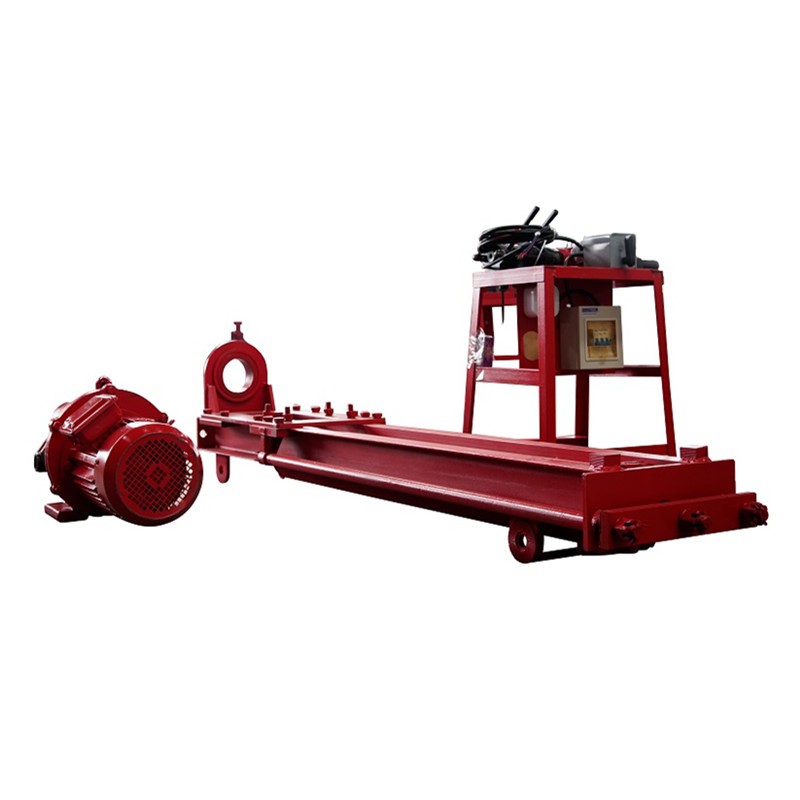
On the other hand, Mini Borehole Drilling Machine are designed for deeper and more precise drilling. These machines may have a higher air consumption due to their more complex design and the need to generate greater force for drilling deeper holes.

Calculating the Cost of Air Consumption
The air consumption of a Pusher Leg Rock Drill also has cost implications. Compressed air is not free, and the cost of generating and supplying it can add up over time. To calculate the cost of air consumption, you need to know the cost of electricity or fuel used to power the air compressor, the air consumption rate of the drill, and the amount of time the drill is in use.
For example, if your air compressor costs $0.10 per CFM per hour to operate, and your drill has an air consumption of 80 CFM, the cost of running the drill for one hour would be $8.00. Over the course of a year, these costs can become significant, especially for operations that use the drill for long periods.
Tips for Reducing Air Consumption
There are several ways to reduce the air consumption of a Pusher Leg Rock Drill. One of the most effective is to maintain the drill properly. Regular maintenance, such as cleaning the air filters, lubricating the moving parts, and checking for air leaks, can ensure that the drill operates efficiently.
Another tip is to use the drill at the recommended pressure. Operating the drill at a higher pressure than necessary will increase air consumption without necessarily improving performance. Additionally, using the right drill bit for the job can also help reduce air consumption. A dull or inappropriate drill bit will require more force to penetrate the rock, leading to increased air usage.
Conclusion
In conclusion, understanding the air consumption of a Pusher Leg Rock Drill is essential for anyone in the mining, construction, or quarrying industries. It affects the drill's performance, longevity, and operating costs. By considering factors such as drill size, drilling conditions, and air supply, you can ensure that your drill operates efficiently and cost - effectively.
If you are interested in learning more about our Pusher Leg Rock Drills or have any questions regarding air consumption and other technical aspects, we invite you to reach out to us for a detailed discussion. We are here to help you select the right equipment for your specific needs and ensure that you get the most out of your investment.
References
- Manufacturer's technical specifications for Pusher Leg Rock Drills.
- Industry standards and guidelines for compressed air systems and rock drilling equipment.
- Research papers on the performance and efficiency of rock drills.