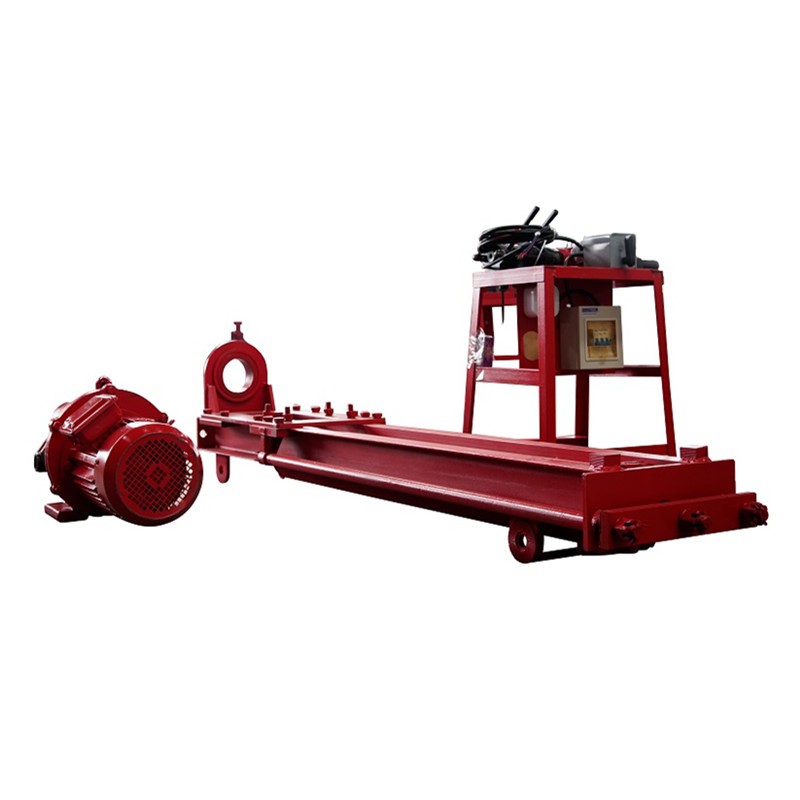
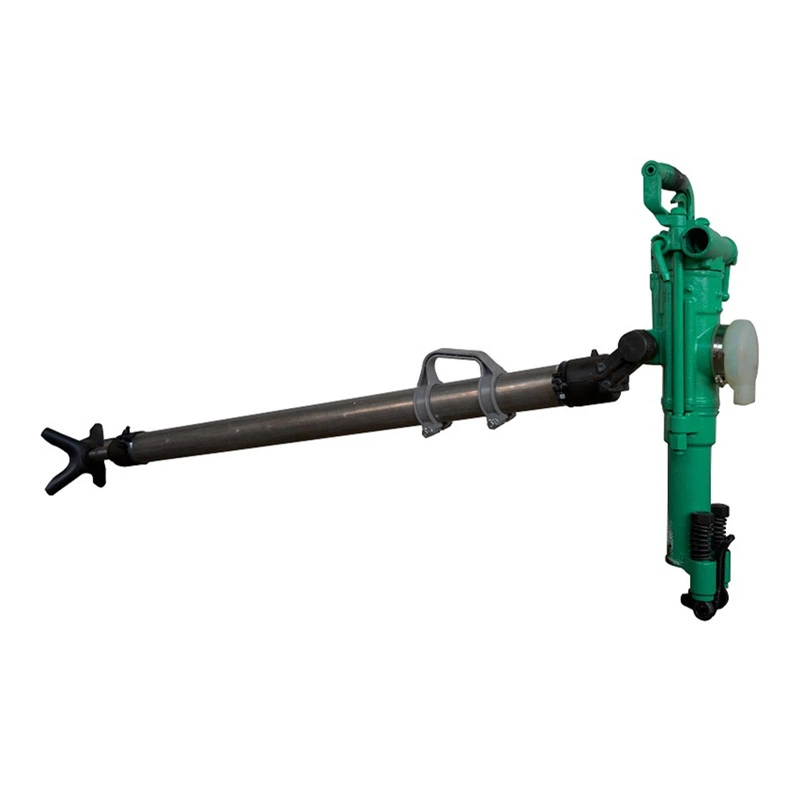
Is an underground rock drill noisy? This is a question that often comes up when discussing the use of underground rock drills in various industries, such as mining, construction, and tunneling. As a supplier of underground rock drills, I have encountered this question numerous times from our customers. In this blog post, I will explore the noise levels associated with underground rock drills, the factors that contribute to the noise, and the measures that can be taken to mitigate it.
Understanding the Noise Levels of Underground Rock Drills
Underground rock drills are powerful machines designed to break through hard rock formations. The process of drilling involves the use of high - pressure air, hydraulic power, and mechanical force, which all contribute to the generation of noise. The noise levels produced by underground rock drills can vary significantly depending on the type of drill, its operating conditions, and the specific rock being drilled.


On average, underground rock drills can produce noise levels ranging from 90 to 120 decibels (dB). To put this into perspective, a normal conversation typically occurs at around 60 dB, while a chainsaw operates at about 110 dB. Prolonged exposure to noise levels above 85 dB can cause hearing damage, and the noise from underground rock drills can pose a significant risk to the health and safety of workers in the vicinity.
Factors Contributing to the Noise
1. Drill Mechanism
The type of drill mechanism plays a crucial role in determining the noise level. For example, percussion drills, which use a piston - like action to deliver high - impact blows to the drill bit, tend to be noisier than rotary drills. Percussion drills create a series of sharp, loud impacts as the piston strikes the drill bit, resulting in a high - intensity noise.
2. Air and Hydraulic Systems
Many underground rock drills rely on compressed air or hydraulic systems to power their operation. The release of high - pressure air or the movement of hydraulic fluid can generate significant noise. For instance, the sudden release of compressed air at the end of a drilling stroke can create a loud popping or hissing sound.
3. Rock Type
The hardness and structure of the rock being drilled also affect the noise level. Harder rocks require more force to break, which often means that the drill has to operate at higher power settings, resulting in increased noise. Additionally, rocks with a more fractured or irregular structure can cause the drill bit to vibrate more, leading to louder noise.
Mitigating the Noise
1. Engineering Controls
One of the most effective ways to reduce the noise from underground rock drills is through engineering controls. This can include the use of noise - reducing materials in the construction of the drill, such as vibration - damping mounts and sound - absorbing enclosures. For example, some modern underground rock drills are equipped with enclosures that are designed to contain the noise and prevent it from spreading into the surrounding environment.
2. Personal Protective Equipment (PPE)
Providing workers with appropriate personal protective equipment is essential. Earplugs and earmuffs are commonly used to protect workers' ears from the high - intensity noise. However, it is important to ensure that the PPE is properly fitted and used consistently to be effective.
3. Maintenance and Inspection
Regular maintenance and inspection of the underground rock drills can also help to reduce noise. Worn - out parts, such as drill bits, pistons, or seals, can cause increased vibration and noise. By replacing these parts in a timely manner, the drill can operate more smoothly and quietly.
Our Product Range and Noise Considerations
As a supplier of underground rock drills, we understand the importance of addressing the noise issue. We offer a range of high - quality rock drills, including the Mini Borehole Drilling Machine, Portable Rock Drilling Machine, and Dth Rock Drilling Rig.
Our engineers have incorporated advanced noise - reduction technologies into the design of these products. For example, our drills are equipped with advanced damping systems that minimize vibration and noise. The air and hydraulic systems are also designed to operate more quietly, reducing the overall noise output.
Conclusion
In conclusion, underground rock drills can be noisy, but there are effective ways to manage and reduce the noise levels. By understanding the factors that contribute to the noise and implementing appropriate mitigation measures, we can ensure a safer and more comfortable working environment for our customers.
If you are in the market for an underground rock drill and are concerned about noise levels, we invite you to contact us. Our team of experts can provide you with detailed information about our products and how they can meet your specific requirements. We are committed to providing high - quality, reliable, and quiet underground rock drills that will help you achieve your project goals.
References
- OSHA. (2019). Occupational noise exposure. U.S. Department of Labor, Occupational Safety and Health Administration.
- International Labour Organization. (2018). Guidelines on occupational safety and health management systems. Geneva: ILO.
- Engineering Noise Control: Theory and Practice. (Second Edition). David A. Bies and Colin H. Hansen.