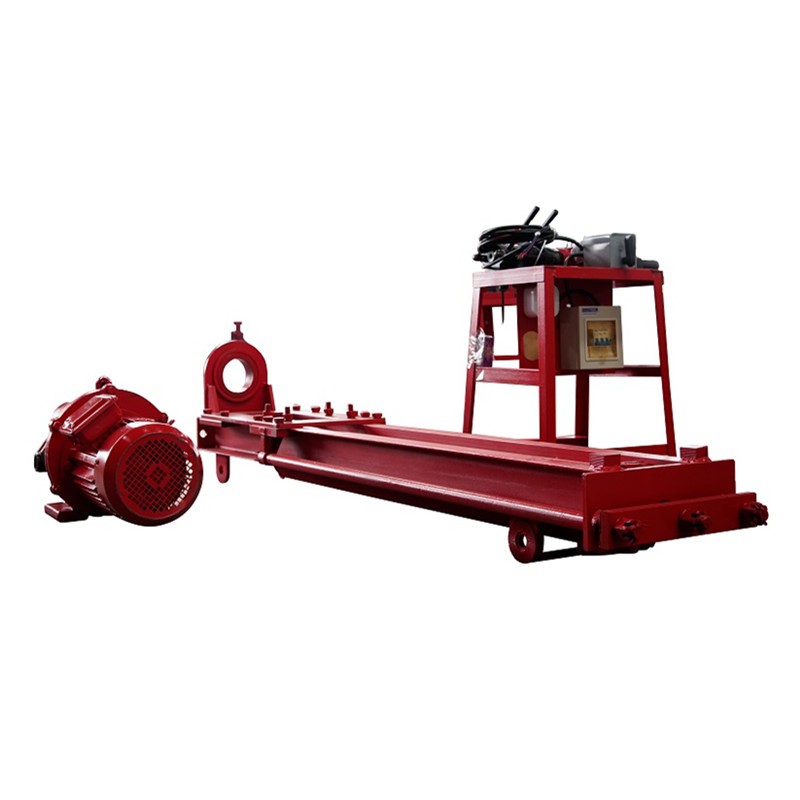
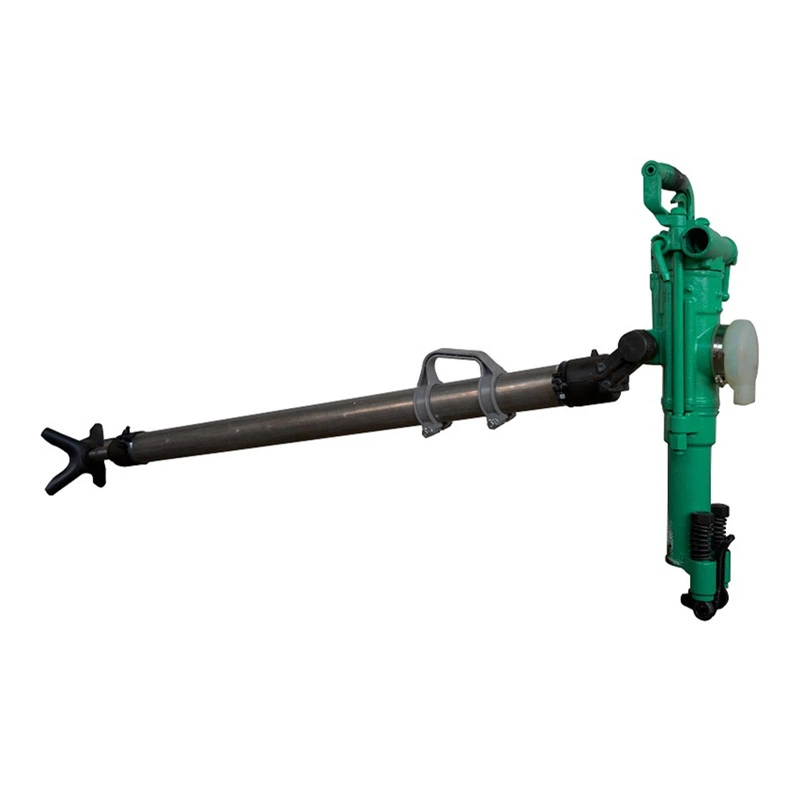
Transporting a Pneumatic Crawler Drill can be a bit of a headache, but with the right know - how, it can be done smoothly. As a Pneumatic Crawler Drill supplier, I've seen my fair share of transportation challenges and successes, and I'm here to share some tips with you.
First off, let's talk about why transporting a Pneumatic Crawler Drill is different from other equipment. These drills are heavy, bulky, and often have delicate components. A Pneumatic Crawler Drill, as you can learn more about here, is designed to work in tough terrains, but that also means it's built with solid parts that add to its weight.
Pre - Transport Preparation
Before you even think about moving the drill, you need to do some prep work. Start by inspecting the drill thoroughly. Check for any loose parts, leaks, or damage. Tighten any bolts or nuts that might have come loose during normal operation. This is also a good time to drain any fluids that could spill during transport, like hydraulic fluid or fuel.
Next, you'll want to secure all the removable parts. Things like the drill bit, hoses, and control panels should be taken off and stored safely. You can use plastic containers or crates to keep these parts organized. Label each container so you know exactly what's inside. This will make it easier to reassemble the drill once it reaches its destination.
Choosing the Right Transport Method
There are a few different ways to transport a Pneumatic Crawler Drill, and the method you choose depends on a few factors, like the distance, the terrain, and your budget.
Truck Transport
For most short to medium - distance transports, a flatbed truck is a popular choice. Make sure the truck has enough weight capacity to handle the drill. You'll also need to secure the drill to the truck bed properly. Use heavy - duty straps or chains to tie it down. Place the drill in the center of the truck bed to keep the weight evenly distributed. This helps prevent the truck from tipping or having handling issues on the road.
Trailer Transport
If you're transporting the drill over a longer distance, a trailer might be a better option. Trailers come in different sizes and types, so choose one that fits the drill. You can find specialized trailers for heavy equipment like Pneumatic Crawler Drills. Similar to truck transport, secure the drill to the trailer using straps or chains. Check the trailer's brakes and tires before hitting the road to ensure a safe journey.
Rail Transport
For very long - distance transports, rail can be a cost - effective option. However, it requires more planning. You'll need to work with a rail freight company to arrange the transport. They'll have specific requirements for loading and unloading the drill. Make sure to follow all their guidelines to avoid any delays or damage.
Loading and Unloading
Loading and unloading a Pneumatic Crawler Drill is a critical step. You need to have the right equipment and trained personnel.
Loading
When loading the drill onto the transport vehicle, use a forklift or a crane. If you're using a forklift, make sure it has enough lifting capacity. Position the drill carefully on the vehicle, following the weight - distribution guidelines. If using a crane, attach the lifting straps or hooks to the designated lifting points on the drill. These points are designed to handle the weight safely.
Unloading
Unloading is the reverse of loading. Again, use the appropriate equipment and follow safety procedures. Once the drill is off the transport vehicle, place it on a flat, stable surface. This will make it easier to reassemble and start using it.
Safety Considerations
Safety should always be your top priority when transporting a Pneumatic Crawler Drill.
Driver Training
If you're hiring a driver to transport the drill, make sure they're experienced in handling heavy equipment transports. They should know how to drive with a heavy load, how to secure the load properly, and what to do in case of an emergency.
Road Conditions
Be aware of the road conditions along the transport route. Avoid roads with poor surfaces, low bridges, or tight turns if possible. Check the weather forecast as well. Rain, snow, or high winds can make transport more dangerous.
Insurance
Get proper insurance coverage for the drill during transport. Accidents can happen, and having insurance will protect you from financial losses in case of damage or loss.


Reassembly and Testing
Once the drill reaches its destination, it's time to reassemble it. Follow the manufacturer's instructions carefully. Start by putting the removable parts back on. Connect the hoses, reinstall the drill bit, and check all the connections.
After reassembly, test the drill. Start it up and run some basic operations to make sure everything is working correctly. Check for any abnormal noises, vibrations, or leaks. If you notice any issues, address them immediately before using the drill for actual work.
Conclusion
Transporting a Pneumatic Crawler Drill doesn't have to be a nightmare. By following these steps, you can ensure a safe and successful transport. If you're in the market for a Pneumatic Crawler Drill, we're here to help. We also offer a range of Down Hole Drilling Equipment and Rotary Drilling Rig Crawler options. If you have any questions or are interested in purchasing, don't hesitate to reach out. We're happy to assist you with your drilling equipment needs.
References
- General knowledge from years of experience in the Pneumatic Crawler Drill supply industry.
- Manufacturer's manuals for Pneumatic Crawler Drills.