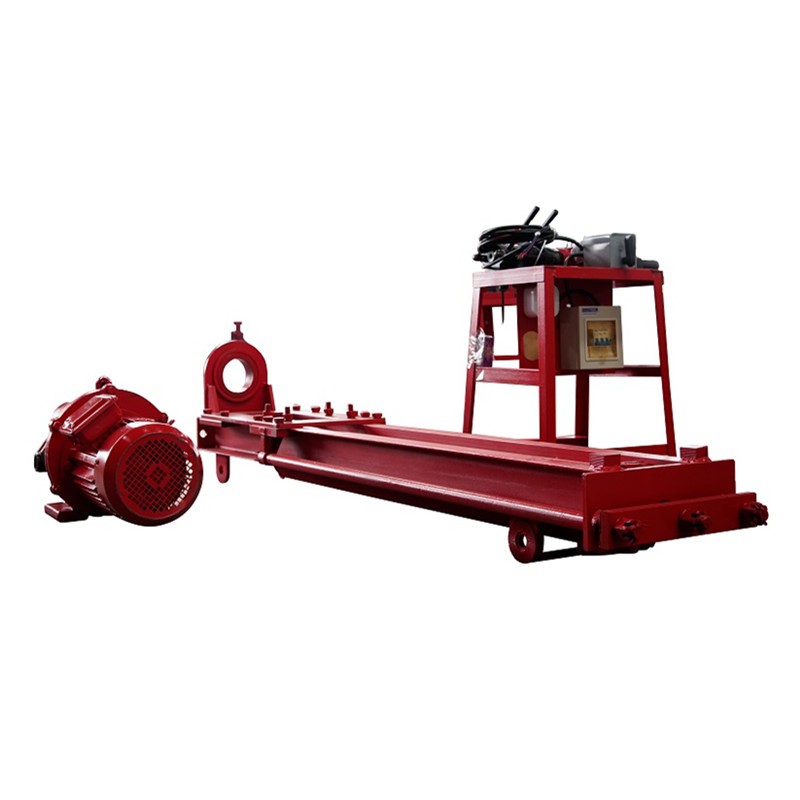
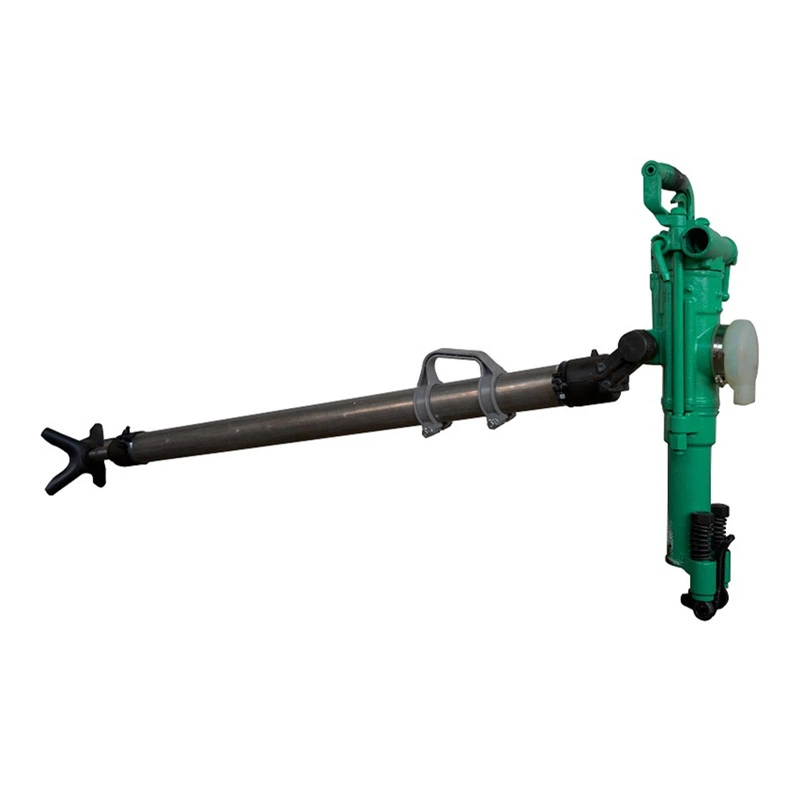
Optimizing the air consumption of a pneumatic crawler drill is crucial for enhancing operational efficiency, reducing costs, and minimizing environmental impact. As a supplier of pneumatic crawler drills, I understand the significance of this aspect and have gathered some effective strategies to share with you.
Understanding the Basics of Pneumatic Crawler Drills
Pneumatic crawler drills are widely used in various industries, including mining, construction, and quarrying. These drills rely on compressed air to power the drilling mechanism, providing a reliable and efficient way to create holes in different types of rock and soil. The air consumption of a pneumatic crawler drill is influenced by several factors, such as the drill's design, operating pressure, drilling depth, and the type of rock being drilled.
Factors Affecting Air Consumption
- Drill Design: The design of the drill plays a significant role in determining its air consumption. Modern pneumatic crawler drills are designed with advanced features to optimize air usage, such as efficient air distribution systems and high-performance drill bits. When selecting a drill, it is essential to choose one that is specifically designed to minimize air consumption without compromising on performance.
- Operating Pressure: The operating pressure of the drill is another critical factor that affects air consumption. Higher operating pressures generally result in increased air consumption, but they can also improve drilling performance. It is important to find the optimal operating pressure for your specific drilling application to balance air consumption and performance.
- Drilling Depth: The depth of the hole being drilled can also impact air consumption. Deeper holes require more air to remove the cuttings from the hole and maintain the drilling process. To minimize air consumption when drilling deep holes, it is recommended to use a drill with a high-pressure air system and a suitable drill bit for the rock type.
- Rock Type: Different types of rock have different drilling characteristics, which can affect air consumption. Harder rocks typically require more air to break and remove the cuttings, while softer rocks may require less air. Understanding the rock type and selecting the appropriate drill bit and operating parameters can help optimize air consumption.
Strategies to Optimize Air Consumption
- Proper Maintenance: Regular maintenance of the pneumatic crawler drill is essential to ensure optimal performance and minimize air consumption. This includes checking and replacing worn drill bits, lubricating moving parts, and inspecting the air system for leaks. By keeping the drill in good condition, you can reduce air losses and improve overall efficiency.
- Optimal Drill Bit Selection: Choosing the right drill bit for the specific rock type and drilling application is crucial for optimizing air consumption. Different drill bits have different cutting geometries and performance characteristics, which can affect air usage. Consult with a drill bit manufacturer or supplier to select the most suitable drill bit for your needs.
- Adjusting Operating Parameters: Experimenting with different operating parameters, such as operating pressure, rotation speed, and feed rate, can help you find the optimal settings for your drilling application. By adjusting these parameters, you can reduce air consumption while maintaining or improving drilling performance.
- Using Air Saving Devices: There are several air saving devices available in the market that can help reduce air consumption in pneumatic crawler drills. These devices include air regulators, flow controllers, and energy-efficient air compressors. Installing these devices can significantly reduce air usage and lower operating costs.
- Training and Operator Awareness: Proper training of the drill operators is essential to ensure they understand the importance of optimizing air consumption and how to operate the drill efficiently. Operators should be trained to monitor air pressure, adjust operating parameters, and perform regular maintenance tasks. By increasing operator awareness, you can improve overall efficiency and reduce air consumption.
Benefits of Optimizing Air Consumption
- Cost Savings: By reducing air consumption, you can lower your operating costs significantly. Compressed air is an expensive resource, and minimizing its usage can result in substantial savings over time.
- Environmental Impact: Optimizing air consumption also has a positive environmental impact. Reducing the amount of compressed air used means less energy is required to produce it, resulting in lower greenhouse gas emissions and a smaller carbon footprint.
- Improved Performance: In addition to cost savings and environmental benefits, optimizing air consumption can also improve the performance of the pneumatic crawler drill. By reducing air losses and ensuring efficient operation, the drill can achieve better drilling results and increased productivity.
Conclusion
Optimizing the air consumption of a pneumatic crawler drill is a critical aspect of ensuring efficient and cost-effective operation. By understanding the factors that affect air consumption and implementing the strategies outlined in this blog, you can significantly reduce air usage, lower operating costs, and improve the performance of your drill. As a supplier of pneumatic crawler drills, we are committed to providing our customers with high-quality products and solutions that help them optimize their air consumption and achieve their drilling goals.
If you are interested in learning more about our Blast Hole Crawler Drill Rigs for Mining, Rock Drilling Machine For Blasting, or Crawler Mounted Drilling Rig, please do not hesitate to contact us. We would be happy to discuss your specific requirements and provide you with a customized solution.


References
- [Title of a relevant industry report], [Author], [Publication year]
- [Title of a technical paper], [Author], [Publication year]
- [Title of a website article], [Author], [Publication year]