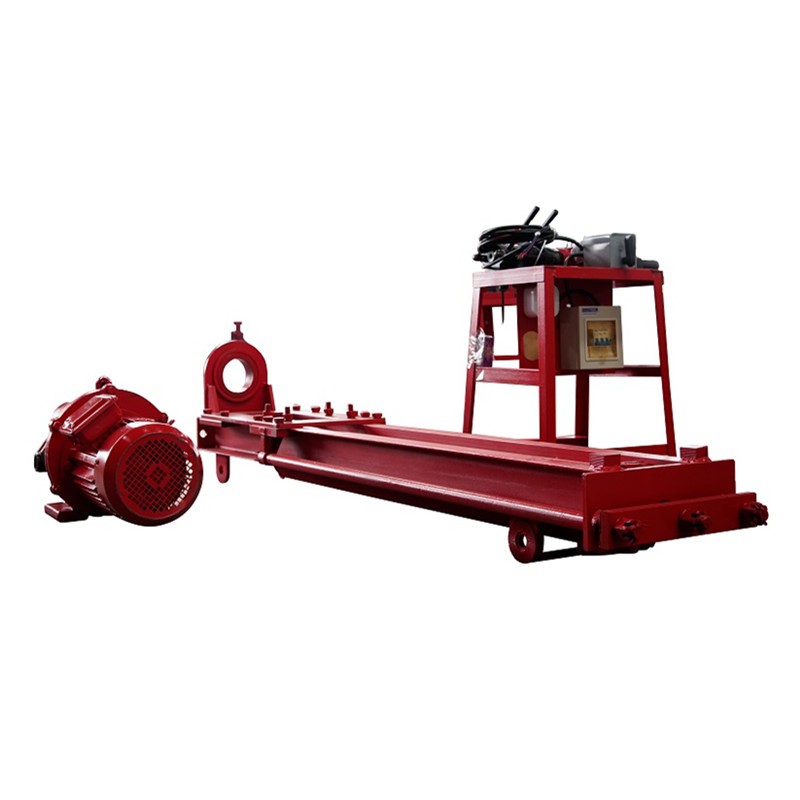
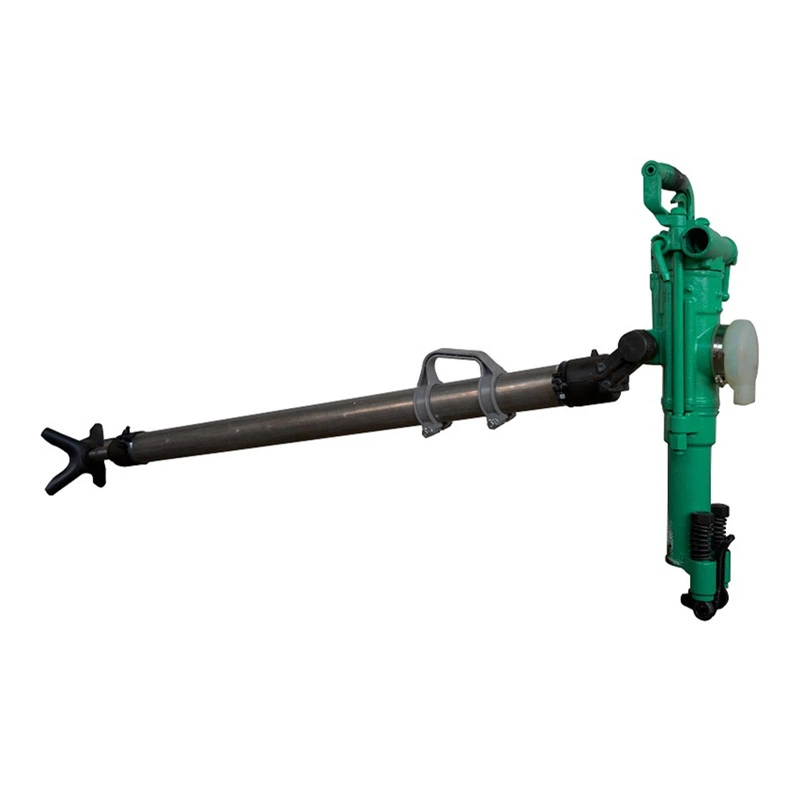
Hey there! As a supplier of Dth Rock Drilling Rigs, I'm stoked to share some insights on how to operate the hoisting system of these bad - ass machines. Whether you're a seasoned pro or just getting into the rock - drilling game, understanding the hoisting system is crucial for a smooth and efficient operation.
Understanding the Basics of the Hoisting System
First things first, let's talk about what the hoisting system in a Dth Rock Drilling Rig actually does. The hoisting system is responsible for lifting and lowering the drill string, which includes the drill bit, drill rods, and other components. It's like the backbone of the drilling process, allowing you to reach different depths and positions in the rock.
The main components of the hoisting system typically include a winch, cables, pulleys, and a control mechanism. The winch is the powerhouse that does the heavy lifting, powered by either an electric motor or a hydraulic system. The cables are used to transmit the force from the winch to the drill string, and the pulleys help to guide the cables and change the direction of the force.
Pre - operation Checks
Before you even think about firing up the hoisting system, you need to do a thorough pre - operation check. This is like giving your rig a health check - up before a big job.


- Inspect the cables: Look for any signs of wear, fraying, or damage. If you see any issues, replace the cables immediately. A damaged cable can snap during operation, which is not only dangerous but can also cause serious damage to the rig.
- Check the winch: Make sure the winch is in good working condition. Look for any loose bolts, leaks in the hydraulic system (if it's a hydraulic winch), or problems with the motor. Lubricate all moving parts as recommended by the manufacturer.
- Examine the pulleys: Ensure that the pulleys are free to rotate and that there are no obstructions. Check for any signs of wear on the pulley grooves, as this can cause the cables to slip.
- Test the control mechanism: Make sure you can easily operate the controls for lifting and lowering the drill string. Check that the emergency stop button works properly.
Operating the Hoisting System
Once you've completed the pre - operation checks, it's time to start operating the hoisting system. Here's a step - by - step guide on how to do it right.
Lifting the Drill String
- Position the rig: Make sure the rig is stable and level before you start lifting. This will prevent the rig from tipping over during the lifting process.
- Engage the winch: Use the control mechanism to engage the winch. Start slowly to avoid sudden jerks that could damage the drill string or the hoisting system.
- Monitor the cables: Keep an eye on the cables as they unwind from the winch. Make sure they are feeding smoothly through the pulleys and that there are no kinks or tangles.
- Lift to the desired height: Gradually increase the speed of the winch until you reach the desired height for the drill string. Be careful not to over - lift, as this can cause the drill string to hit the top of the rig or other objects.
Lowering the Drill String
- Prepare for lowering: Before you start lowering the drill string, make sure the area below is clear of any obstacles or personnel.
- Disengage the winch brake: Use the control mechanism to disengage the winch brake. This will allow the drill string to start lowering under its own weight.
- Control the speed: Use the winch controls to regulate the speed of the lowering process. Lower the drill string slowly and steadily to avoid any sudden drops.
- Monitor the depth: Keep track of the depth of the drill string as it lowers. You can use a depth gauge or other measuring device to ensure that you reach the desired drilling depth.
Safety Considerations
Operating the hoisting system of a Dth Rock Drilling Rig is not without its risks. Here are some important safety considerations to keep in mind.
- Wear appropriate safety gear: Always wear a hard hat, safety glasses, gloves, and steel - toed boots when operating the rig. This will protect you from any potential hazards, such as falling objects or flying debris.
- Follow the manufacturer's instructions: The manufacturer's instructions are there for a reason. Make sure you read and understand them before operating the hoisting system. This will help you to avoid any mistakes that could lead to accidents.
- Have a safety plan in place: In case of an emergency, such as a cable snap or a winch failure, have a safety plan in place. This should include procedures for shutting down the rig, evacuating the area, and providing first aid.
- Keep bystanders away: Make sure that there are no bystanders in the vicinity of the rig when the hoisting system is in operation. This will prevent them from getting injured by any moving parts or falling objects.
Troubleshooting Common Issues
Even with proper maintenance and operation, you may still encounter some issues with the hoisting system. Here are some common problems and how to troubleshoot them.
- Cable slipping: If the cable is slipping on the winch or the pulleys, it could be due to a worn pulley groove or insufficient tension. Check the pulleys for wear and adjust the tension of the cable as needed.
- Winch not working: If the winch won't start or won't operate properly, check the power supply (if it's an electric winch) or the hydraulic system (if it's a hydraulic winch). Look for any loose connections, leaks, or blown fuses.
- Excessive noise or vibration: Excessive noise or vibration could be a sign of a problem with the winch, the pulleys, or the cables. Stop the operation immediately and inspect the hoisting system for any signs of damage or misalignment.
Related Products
If you're interested in other types of drilling equipment, we also offer Underground Rock Drill and Mini Borehole Drilling Machine. These products are designed to meet different drilling needs and can be a great addition to your fleet.
Contact Us for Purchasing
If you're in the market for a Dth Rock Drilling Rig or have any questions about operating the hoisting system, don't hesitate to reach out. We're here to help you make the right choice and ensure that you get the most out of your equipment. You can check out our Dth Rock Drilling Rig product page for more details and start the purchasing process.
References
- Manufacturer's manuals for Dth Rock Drilling Rigs
- Industry standards and guidelines for rock - drilling equipment operation
- Safety regulations for construction and mining equipment