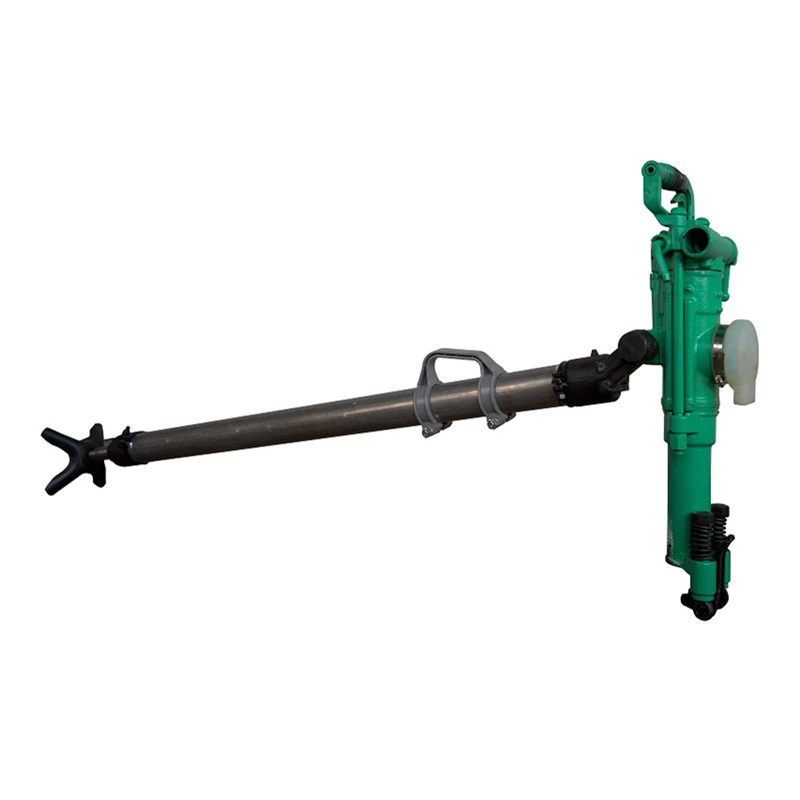
Hey there! As a supplier of Pusher Leg Rock Drills, I've seen firsthand how crucial it is to keep the hydraulic system in top - notch condition. A well - maintained hydraulic system not only ensures the smooth operation of your Pusher Leg Rock Drill but also extends its lifespan, saving you both time and money in the long run. So, let's dive into how you can maintain the hydraulic system of your Pusher Leg Rock Drill.
Understanding the Hydraulic System in a Pusher Leg Rock Drill
Before we get into maintenance, it's important to have a basic understanding of how the hydraulic system in a Pusher Leg Rock Drill works. The hydraulic system is the heart of the drill, responsible for powering the drill's movement, rotation, and penetration. It uses hydraulic fluid to transfer power from the pump to the various components of the drill.
The main components of the hydraulic system include the hydraulic pump, valves, cylinders, and hoses. The pump pressurizes the hydraulic fluid, which then flows through the valves to control the direction and speed of the cylinders. The cylinders, in turn, move the drill bit and the leg of the drill. The hoses connect all these components, allowing the fluid to circulate.
Regular Fluid Checks
One of the most important aspects of maintaining the hydraulic system is regularly checking the hydraulic fluid. The fluid level should be checked daily or at least before each use. A low fluid level can cause the pump to overheat and damage the system. You can usually check the fluid level using a sight glass or a dipstick, depending on the design of your drill.
In addition to checking the level, you also need to monitor the quality of the fluid. Over time, the hydraulic fluid can become contaminated with dirt, debris, and water. Contaminated fluid can cause wear and tear on the system's components, leading to leaks and reduced performance. You can use a fluid analysis kit to check for contaminants. If the fluid is dirty or has an abnormal color or odor, it's time to change it.
Filter Replacement
Filters play a vital role in keeping the hydraulic fluid clean. They trap dirt, debris, and other contaminants before they can reach the system's components. Over time, the filters can become clogged, reducing the flow of fluid and putting extra strain on the pump.
You should replace the filters according to the manufacturer's recommendations. This is usually every few hundred hours of operation or at least once a year, depending on how often you use the drill. When replacing the filters, make sure to use high - quality filters that are compatible with your drill's hydraulic system. Using the wrong filters can lead to poor performance and even damage the system.
Hose Inspection
The hoses in the hydraulic system are subject to a lot of stress and wear. They can develop cracks, leaks, or bulges over time, especially in areas where they are bent or rubbed against other components. A leaking hose can not only cause a loss of hydraulic fluid but also pose a safety hazard.
Inspect the hoses regularly for any signs of damage. Look for cracks, cuts, bulges, or leaks. If you notice any damage, replace the hose immediately. It's also a good idea to check the hose connections to make sure they are tight and secure. Loose connections can cause fluid leaks and reduce the efficiency of the system.
Cylinder Maintenance
The cylinders in the hydraulic system are responsible for moving the drill bit and the leg of the drill. They need to be properly maintained to ensure smooth and reliable operation.
Check the cylinders for any signs of wear or damage, such as scratches, dents, or leaks. If you notice any problems, have the cylinders repaired or replaced as soon as possible. You also need to lubricate the cylinders regularly to reduce friction and prevent wear. Use a lubricant that is recommended by the drill's manufacturer.
Valve Adjustment
The valves in the hydraulic system control the direction and speed of the cylinders. Over time, the valves can become misaligned or worn, leading to inconsistent performance.
Periodically check the valve settings to make sure they are correct. You may need to adjust the valves to optimize the drill's performance. If you're not familiar with valve adjustment, it's best to consult the drill's manual or a professional technician.
Sealing and Leak Detection
Leaks are a common problem in hydraulic systems. They can occur at the connections, hoses, cylinders, or valves. Even a small leak can cause a loss of hydraulic fluid and reduce the efficiency of the system.
Regularly inspect the hydraulic system for leaks. You can use a leak detection spray or a piece of paper to check for small leaks. If you find a leak, identify the source and repair it as soon as possible. This may involve tightening a connection, replacing a seal, or repairing a damaged component.
Temperature Monitoring
The hydraulic system can generate a lot of heat during operation. Excessive heat can cause the hydraulic fluid to break down and damage the system's components. You should monitor the temperature of the hydraulic fluid regularly.
Most Pusher Leg Rock Drills are equipped with a temperature gauge. If the temperature exceeds the recommended range, stop the drill and let it cool down. You may also need to check the cooling system, such as the radiator or the fan, to make sure it's working properly.
Professional Servicing
Even if you follow all the maintenance steps, it's still a good idea to have your Pusher Leg Rock Drill's hydraulic system serviced by a professional technician at least once a year. A professional can perform a more in - depth inspection of the system, identify any potential problems, and make the necessary repairs or adjustments.
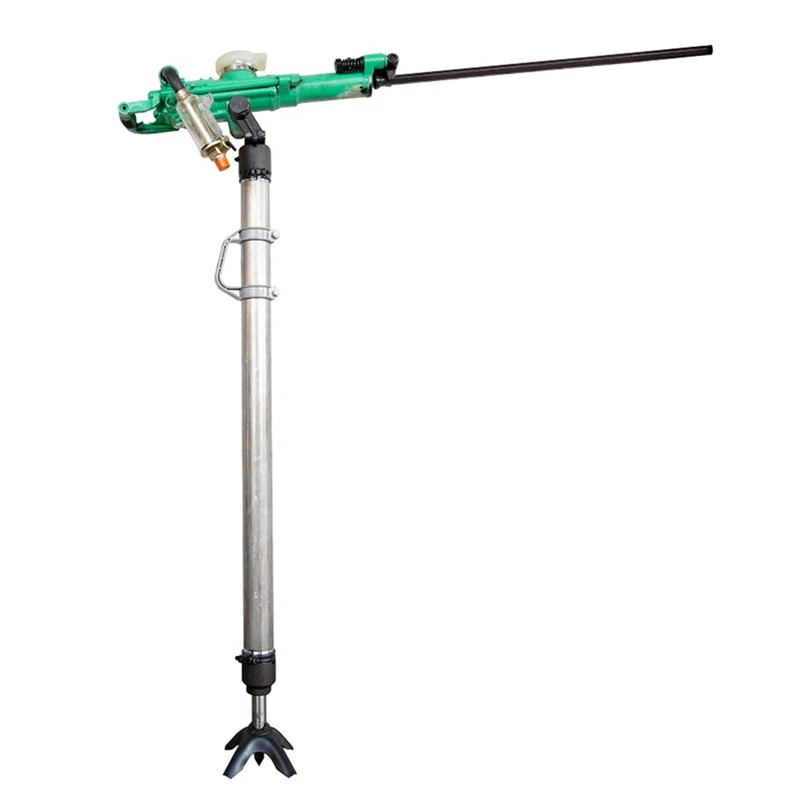

Related Products
If you're interested in other types of drilling machines, we also offer a range of products. Check out our Mini Borehole Drilling Machine, Hand Held Rock Drilling Machine, and Dth Rock Drilling Rig.
Conclusion
Maintaining the hydraulic system of your Pusher Leg Rock Drill is essential for its performance and longevity. By following these simple steps, you can keep your drill running smoothly and avoid costly repairs. If you have any questions or need further assistance with maintaining your drill's hydraulic system, don't hesitate to contact us. We're here to help you make the most of your investment. Whether you're a small - scale contractor or a large mining company, we can provide you with the support and products you need. So, if you're in the market for a new Pusher Leg Rock Drill or need to replace some parts, feel free to reach out to us for a consultation and to discuss your procurement needs.
References
- Manufacturer's manual of Pusher Leg Rock Drill
- Hydraulic system maintenance guides from industry experts