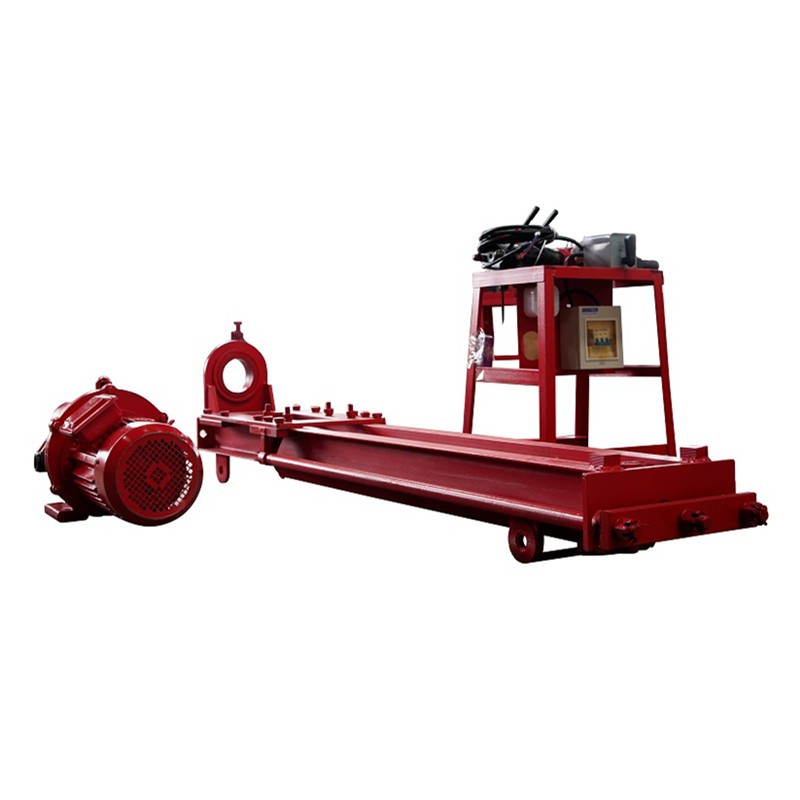
As a supplier of Dth Rock Drilling Rigs, I understand the critical importance of water quality in the water injection system of these powerful machines. Ensuring the right water quality is not just about the smooth operation of the rig; it's also about extending its lifespan and maintaining high - performance drilling. In this blog, I'll share some key strategies on how to ensure the water quality for the water injection system of Dth Rock Drilling Rigs.
Understanding the Role of Water in Dth Rock Drilling Rigs
The water injection system in Dth Rock Drilling Rigs serves multiple purposes. Firstly, it helps to cool the drill bit during the drilling process. Drilling through hard rock generates a significant amount of heat, and without proper cooling, the drill bit can overheat, leading to rapid wear and tear and potentially reducing its effectiveness. Secondly, water is used to carry the cuttings produced during drilling to the surface. This prevents the cuttings from clogging the borehole and interfering with the drilling operation. Finally, water can also act as a lubricant, reducing friction between the drill string and the borehole wall.
Common Water Quality Issues
Before we can address how to ensure good water quality, it's important to understand the common water quality issues that can affect the water injection system of Dth Rock Drilling Rigs.
- Sediment and Particles: Water sources, especially those from natural bodies such as rivers or lakes, can contain a significant amount of sediment and particles. These particles can cause abrasion in the water injection system, wearing down pumps, valves, and other components. This not only reduces the efficiency of the system but also increases the risk of breakdowns.
- Mineral Deposits: Hard water, which contains high levels of minerals such as calcium and magnesium, can lead to the formation of mineral deposits in the water injection system. Over time, these deposits can build up and clog pipes and nozzles, reducing water flow and pressure.
- Biological Contaminants: Bacteria, algae, and other biological contaminants can grow in the water storage tanks or pipes of the water injection system. These contaminants can cause corrosion of the system components and may also produce slime, which can further clog the system.
Strategies to Ensure Water Quality
Source Selection
The first step in ensuring good water quality is to carefully select the water source. Whenever possible, use water from a clean and reliable source. Municipal water supplies are often a good choice as they are usually treated to remove contaminants. If using water from a natural source, such as a river or lake, it's important to test the water regularly for sediment, minerals, and biological contaminants.
Filtration
Filtration is an essential part of maintaining water quality in the water injection system. Install a series of filters at the intake of the water injection system to remove sediment and particles. A pre - filter with a large pore size can be used to remove larger particles, followed by a finer filter to capture smaller particles. Regularly clean or replace the filters to ensure their effectiveness. For example, a sediment filter with a pore size of 5 - 10 microns can effectively remove most of the larger particles, while a carbon filter can be used to remove organic contaminants and improve the taste and odor of the water.
Water Softening
If the water source is hard, water softening may be necessary to prevent the formation of mineral deposits. Water softeners work by removing calcium and magnesium ions from the water and replacing them with sodium ions. There are several types of water softeners available, including ion - exchange softeners and salt - free softeners. Ion - exchange softeners are the most common type and are very effective at reducing water hardness. However, they require regular maintenance and the addition of salt. Salt - free softeners, on the other hand, do not remove the minerals from the water but instead change their structure so that they do not form deposits.
Chemical Treatment
Chemical treatment can be used to control biological contaminants in the water injection system. Chlorine is a commonly used disinfectant that can kill bacteria and algae. However, it should be used with caution as excessive chlorine can cause corrosion of the system components. Other chemicals, such as biocides and algaecides, can also be used to control biological growth. It's important to follow the manufacturer's instructions when using chemicals and to monitor the water quality regularly to ensure that the chemical levels are within the recommended range.
Regular Monitoring and Maintenance
Regular monitoring of the water quality is essential to ensure that the water injection system is functioning properly. Test the water regularly for sediment, minerals, biological contaminants, and pH levels. Keep a record of the test results to track any changes in water quality over time. In addition to water quality testing, regular maintenance of the water injection system is also important. Inspect the pipes, pumps, valves, and filters regularly for signs of wear, corrosion, or clogging. Replace any damaged components promptly to prevent further damage to the system.
The Impact of Good Water Quality on Dth Rock Drilling Rigs
Ensuring good water quality in the water injection system of Dth Rock Drilling Rigs has several benefits. Firstly, it can significantly extend the lifespan of the rig. By reducing abrasion, corrosion, and clogging, the components of the water injection system will last longer, reducing the need for frequent replacements. Secondly, good water quality can improve the performance of the rig. A well - functioning water injection system ensures proper cooling, cutting removal, and lubrication, which can lead to more efficient drilling and better overall performance. Finally, maintaining good water quality can also reduce operating costs. By preventing breakdowns and reducing the need for repairs and replacements, the overall cost of operating the Dth Rock Drilling Rig can be significantly reduced.
Related Products
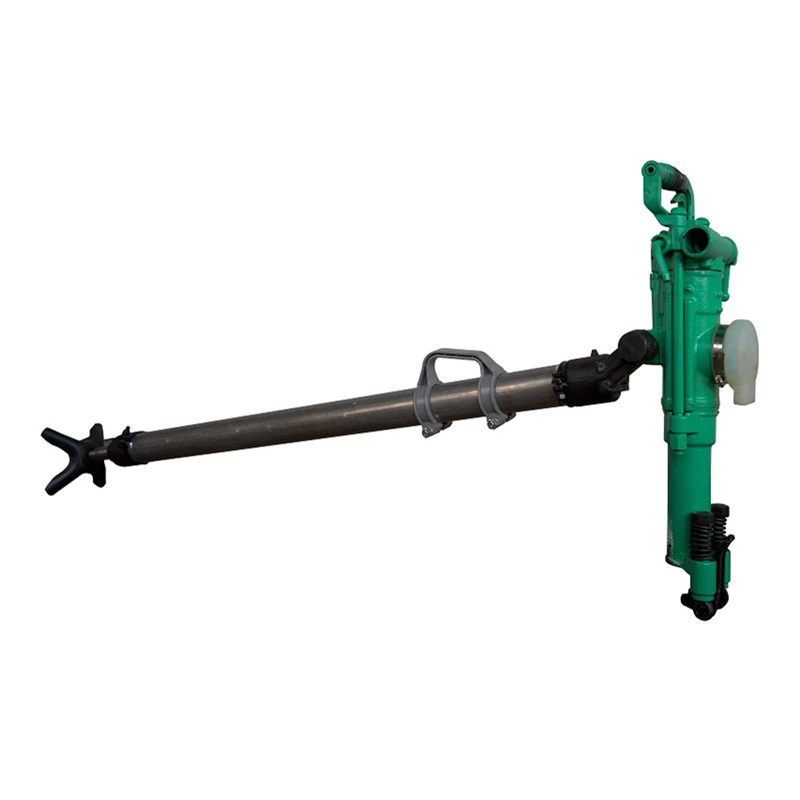
If you are interested in related drilling equipment, we also offer Mini Borehole Drilling Machine and YT28 Rock Drill. These products are designed to meet different drilling needs and are known for their high quality and reliability. For more information about our Dth Rock Drilling Rig, please feel free to contact us for procurement and negotiation.


Conclusion
Ensuring the water quality for the water injection system of Dth Rock Drilling Rigs is a complex but essential task. By carefully selecting the water source, implementing proper filtration, water softening, and chemical treatment, and conducting regular monitoring and maintenance, you can ensure that the water injection system operates smoothly and efficiently. This not only protects your investment in the Dth Rock Drilling Rig but also improves its performance and reduces operating costs. If you have any questions or need further advice on water quality management for your Dth Rock Drilling Rig, don't hesitate to contact us. We are here to help you make the most of your drilling equipment.
References
- "Drilling Rig Operations and Maintenance Manual", Industry Standard Publication
- "Water Quality Guidelines for Industrial Applications", Environmental Protection Agency
- "Filtration and Water Treatment Technologies", Journal of Water Science and Technology