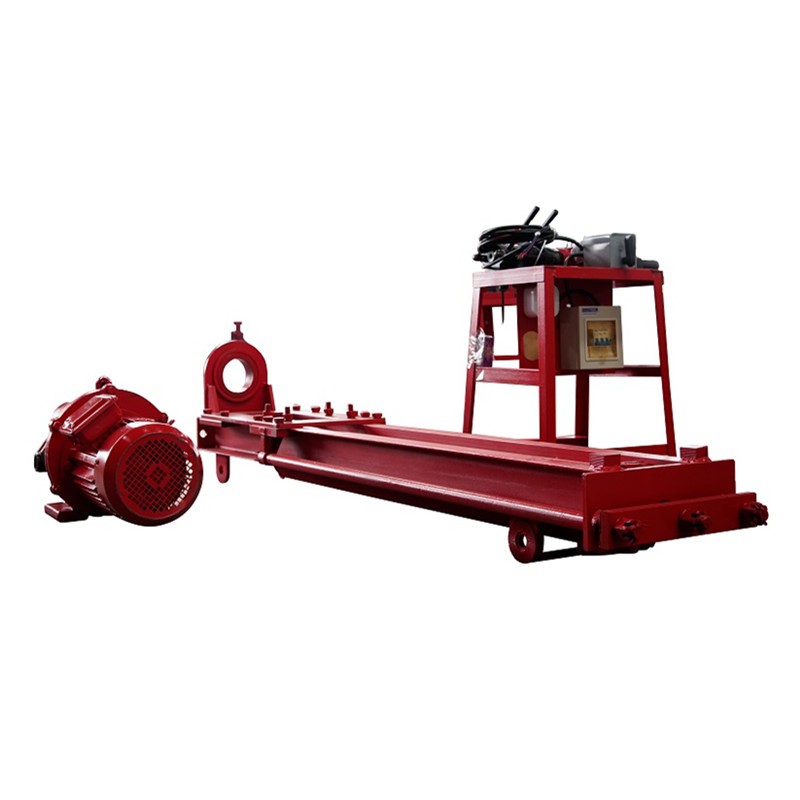
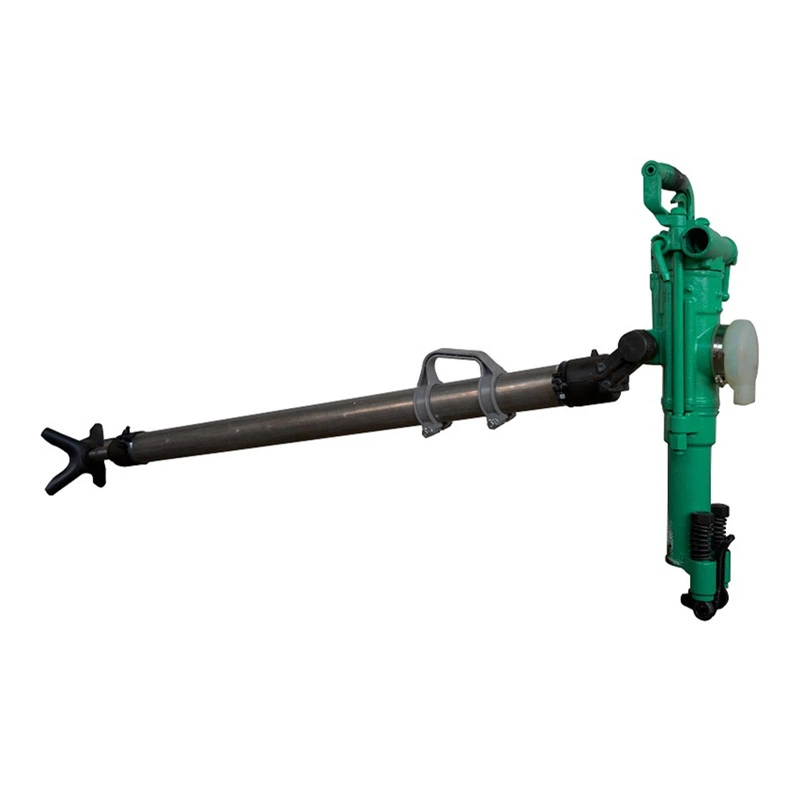
Pneumatic crawler drills are essential pieces of equipment in various industries, including mining, construction, and quarrying. These drills use compressed air to power the drilling mechanism and are mounted on crawlers for mobility. However, during operation, pneumatic crawler drills can generate a significant amount of heat, which, if not properly managed, can lead to reduced efficiency, increased wear and tear, and even equipment failure. In this blog post, I'll share some effective methods to dissipate the heat of a pneumatic crawler drill based on my experience as a pneumatic crawler drill supplier.
Understanding the Heat Sources in Pneumatic Crawler Drills
Before delving into heat dissipation methods, it's crucial to understand where the heat in pneumatic crawler drills comes from. The primary heat sources include:


- Compressed Air Generation: The process of compressing air in the air compressor generates a large amount of heat. As the air is compressed, its temperature rises significantly. This hot compressed air is then used to power the drill, transferring heat to the drill components.
- Friction: During the drilling process, there is significant friction between the drill bit and the rock or soil, as well as between moving parts within the drill itself. This friction converts mechanical energy into heat, contributing to the overall heat build - up in the drill.
- Electrical Components: Some pneumatic crawler drills have electrical components such as motors and control systems. These components can generate heat when they are in operation, especially if they are working under heavy loads.
Heat Dissipation Methods
Cooling Systems for Compressed Air
- After - coolers: After - coolers are devices installed after the air compressor to cool the compressed air. They work by passing the hot compressed air through a heat exchanger, where it is cooled by either air or water. For example, an air - cooled after - cooler uses ambient air to remove heat from the compressed air. By reducing the temperature of the compressed air, after - coolers not only help in dissipating heat but also improve the efficiency of the drill, as cooler air is denser and can provide more power.
- Air Dryers: In addition to cooling the compressed air, air dryers can also play a role in heat management. Compressed air often contains moisture, which can condense when the air cools. Air dryers remove this moisture, preventing corrosion in the drill components and also helping to maintain a stable temperature in the system. There are different types of air dryers, such as refrigerated dryers and desiccant dryers, each with its own advantages and suitable applications.
Lubrication and Friction Reduction
- Proper Lubrication: Using high - quality lubricants in the drill's moving parts is essential for reducing friction and heat generation. Lubricants create a thin film between moving surfaces, reducing direct contact and thus minimizing friction. For example, in the drill's gears and bearings, regular lubrication with the appropriate grease or oil can significantly reduce the heat generated due to friction. It's important to follow the manufacturer's recommendations regarding the type and frequency of lubrication.
- Material Selection: Choosing the right materials for drill components can also help in reducing friction. For instance, using drill bits made of high - quality carbide can reduce the friction between the bit and the rock, resulting in less heat generation during the drilling process. Additionally, using low - friction coatings on moving parts can further reduce the frictional forces and heat build - up.
Cooling of Electrical Components
- Heat Sinks: Heat sinks are passive cooling devices used to dissipate heat from electrical components. They are usually made of materials with high thermal conductivity, such as aluminum. Heat sinks work by increasing the surface area of the component, allowing heat to be transferred more efficiently to the surrounding air. For example, a heat sink can be attached to the motor of the pneumatic crawler drill to help dissipate the heat generated during operation.
- Ventilation: Adequate ventilation is crucial for cooling electrical components. Drills should be designed with proper ventilation channels to allow fresh air to flow over the electrical components. This can be achieved through the use of fans or natural convection. In some cases, forced - air ventilation systems can be installed to ensure a constant flow of cool air over the electrical components, preventing overheating.
Overall Drill Design for Heat Dissipation
- Heat - Conductive Materials: The use of heat - conductive materials in the drill's construction can help in transferring heat away from critical components. For example, using aluminum or copper in areas where heat is likely to accumulate can improve the heat dissipation rate. These materials can quickly transfer heat to the outer surfaces of the drill, where it can be dissipated into the surrounding environment.
- Open - Frame Design: An open - frame design allows for better air circulation around the drill components. This design enables heat to be dissipated more effectively, as there are fewer barriers to the flow of air. In contrast, a closed - box design may trap heat inside, leading to higher temperatures and potential overheating issues.
Importance of Regular Maintenance
Regular maintenance is crucial for ensuring the effectiveness of heat dissipation systems in pneumatic crawler drills.
- Inspection of Cooling Systems: Regularly inspect the after - coolers, air dryers, and other cooling components for any signs of damage or blockage. For example, check the heat exchanger in the after - cooler for dirt or debris that may impede heat transfer. Clean or replace any clogged filters or damaged parts promptly.
- Lubricant Checks and Replacements: Monitor the level and quality of lubricants in the drill. Over time, lubricants can break down and lose their effectiveness. Replace the lubricants at the recommended intervals to ensure proper friction reduction and heat dissipation.
- Electrical Component Checks: Inspect electrical components for signs of overheating, such as discoloration or a burning smell. Check the connections of heat sinks and ventilation systems to ensure they are working properly.
Conclusion
Effective heat dissipation is vital for the proper functioning and longevity of pneumatic crawler drills. By understanding the heat sources and implementing appropriate heat dissipation methods such as cooling systems for compressed air, lubrication, and proper drill design, we can ensure that the drills operate at optimal temperatures. Regular maintenance also plays a key role in maintaining the efficiency of these heat dissipation systems.
As a pneumatic crawler drill supplier, we offer a range of high - quality Crawler Mounted Drill Rig, Down The Hole Drilling Rig and Crawler Hydraulic Drilling Rig with advanced heat dissipation features. If you are interested in purchasing our products or have any questions about heat management in pneumatic crawler drills, please feel free to contact us for procurement and negotiation.
References
- Industrial Pneumatics Handbook, various editions
- Drilling Equipment Design and Operation Manuals from leading manufacturers