Selecting the appropriate drill bit for a rock drill is a critical decision that significantly impacts the efficiency, cost, and success of drilling operations. As a rock drill supplier, I understand the importance of matching the right drill bit to the specific rock type. In this blog, I will guide you through the process of choosing the optimal drill bit based on different rock characteristics.
Understanding Rock Types
Before delving into drill bit selection, it's essential to understand the various rock types you may encounter during drilling. Rocks can be broadly classified into three main categories: igneous, sedimentary, and metamorphic.
Igneous Rocks
Igneous rocks are formed from the cooling and solidification of magma or lava. They are typically hard and dense, with high compressive strength. Examples of igneous rocks include granite, basalt, and diorite. Drilling through igneous rocks can be challenging due to their hardness and abrasiveness.
Sedimentary Rocks
Sedimentary rocks are formed from the accumulation and consolidation of sediment. They are generally softer and more porous than igneous rocks. Common sedimentary rocks include limestone, sandstone, and shale. Sedimentary rocks can vary widely in hardness and abrasiveness, depending on their composition and formation history.
Metamorphic Rocks
Metamorphic rocks are formed from the transformation of pre - existing rocks under high pressure and temperature. They can have a wide range of physical properties, from relatively soft to extremely hard. Examples of metamorphic rocks include marble, quartzite, and slate.
Factors to Consider When Choosing a Drill Bit
When selecting a drill bit for a rock drill, several factors need to be considered, including rock hardness, abrasiveness, drill bit material, and drill bit design.
Rock Hardness
Rock hardness is one of the most important factors in drill bit selection. Harder rocks require drill bits with higher strength and wear resistance. For very hard rocks like granite, tungsten carbide - tipped drill bits are often the best choice. Tungsten carbide is extremely hard and can withstand the high forces and abrasion associated with drilling hard rocks.
Rock Abrasiveness
Abrasive rocks can quickly wear down drill bits. Rocks with high silica content, such as sandstone, are particularly abrasive. In such cases, drill bits with a hard and wear - resistant surface are necessary. Polycrystalline diamond compact (PDC) drill bits are highly effective for abrasive rocks due to their excellent wear resistance.
Drill Bit Material
The material of the drill bit determines its strength, hardness, and wear resistance. Common drill bit materials include high - speed steel (HSS), tungsten carbide, and PDC.
- High - Speed Steel (HSS): HSS drill bits are relatively inexpensive and suitable for soft to medium - hard rocks. They are not as hard as tungsten carbide or PDC, but they are more flexible and can be resharpened easily.
- Tungsten Carbide: Tungsten carbide drill bits are widely used for drilling hard rocks. They have high hardness and wear resistance, making them suitable for long - term drilling operations in tough conditions.
- Polycrystalline Diamond Compact (PDC): PDC drill bits are the most advanced and expensive option. They are extremely wear - resistant and can drill through a wide range of rock types, including hard and abrasive rocks.
Drill Bit Design
The design of the drill bit also plays a crucial role in its performance. Different drill bit designs are optimized for different drilling conditions.
- Conical Drill Bits: Conical drill bits are suitable for soft to medium - hard rocks. They have a pointed tip that helps to penetrate the rock easily.
- Cylindrical Drill Bits: Cylindrical drill bits are often used for more precise drilling. They are available in various sizes and can be used for both soft and hard rocks.
- Button Drill Bits: Button drill bits are designed with small, round buttons on the cutting face. They are effective for drilling hard and abrasive rocks, as the buttons provide multiple cutting edges and distribute the wear evenly.
Drill Bit Selection for Different Rock Types
Drilling Igneous Rocks
As mentioned earlier, igneous rocks are generally hard and abrasive. For granite, a tungsten carbide - tipped button drill bit is an excellent choice. The tungsten carbide provides the necessary hardness to penetrate the hard granite, while the button design helps to distribute the wear and maintain a sharp cutting edge. If the granite is particularly abrasive, a PDC drill bit may be more suitable, as it can offer even better wear resistance.
Drilling Sedimentary Rocks
For limestone, which is a relatively soft sedimentary rock, a high - speed steel conical drill bit can be used. High - speed steel is cost - effective for soft rocks, and the conical design allows for easy penetration. However, if the limestone contains abrasive impurities, a tungsten carbide - tipped drill bit may be a better option.


Sandstone, being an abrasive sedimentary rock, requires a drill bit with good wear resistance. A PDC drill bit or a tungsten carbide - tipped button drill bit can be used to drill through sandstone efficiently.
Drilling Metamorphic Rocks
Marble, a relatively soft metamorphic rock, can be drilled with high - speed steel or tungsten carbide - tipped drill bits. The choice depends on the specific hardness and abrasiveness of the marble. For harder metamorphic rocks like quartzite, a PDC drill bit or a high - quality tungsten carbide drill bit is recommended.
Our Product Range
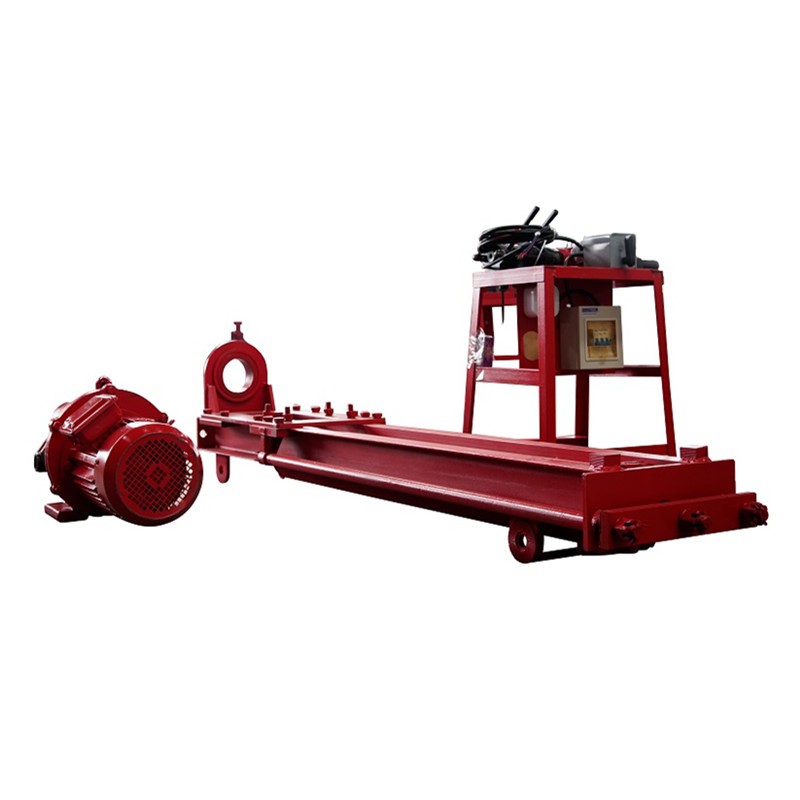
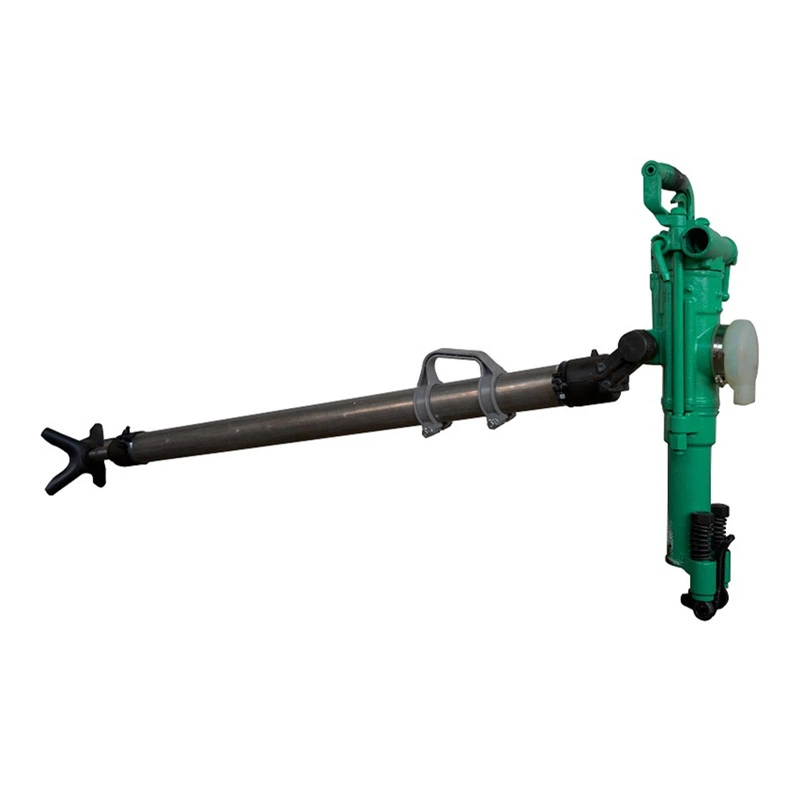
As a rock drill supplier, we offer a wide range of rock drills and drill bits to meet different customer needs. Our Mini Borehole Drilling Machine is suitable for small - scale drilling operations, such as water well drilling in soft to medium - hard rocks. The YT28 Rock Drill is a popular choice for various rock drilling applications, with high power and efficiency. Our Compact Rock Drill Rigs are designed for use in confined spaces and can be equipped with different types of drill bits to handle different rock types.
Conclusion
Choosing the right drill bit for a rock drill according to the rock type is essential for efficient and cost - effective drilling operations. By considering factors such as rock hardness, abrasiveness, drill bit material, and drill bit design, you can select the most suitable drill bit for your specific application. As a rock drill supplier, we are committed to providing high - quality products and professional advice to help you make the best choice. If you are interested in our rock drills or drill bits, or if you have any questions about drill bit selection, please feel free to contact us for procurement and further discussions.
References
- Deer, W. A., Howie, R. A., & Zussman, J. (1992). An Introduction to the Rock - Forming Minerals. Longman Scientific & Technical.
- Goodman, R. E. (1989). Introduction to Rock Mechanics. Wiley.
- Peckover, A. (2003). Drilling and Blasting of Rocks. Taylor & Francis.