Hey there! As a supplier of Crawler Rock Drills, I often get asked about how to adjust the drilling pressure of these bad boys. It's a crucial aspect that can significantly impact the performance and efficiency of your drilling operations. So, let's dive right in and explore this topic in detail.
Understanding the Basics of Drilling Pressure
First things first, let's talk about what drilling pressure actually is. In simple terms, drilling pressure refers to the force applied to the drill bit as it penetrates the rock. This pressure is essential for effective drilling because it helps the drill bit break through the hard rock layers. If the pressure is too low, the drill bit might not be able to cut through the rock efficiently, leading to slow drilling speeds and poor hole quality. On the other hand, if the pressure is too high, it can cause excessive wear and tear on the drill bit, leading to premature failure and increased costs.
Factors Affecting Drilling Pressure
Before we get into the nitty - gritty of adjusting the drilling pressure, it's important to understand the factors that can affect it.
Rock Type
Different types of rocks have different hardness levels. For example, granite is much harder than sandstone. When drilling into harder rocks, you'll generally need to apply more pressure to get the drill bit to penetrate. So, before you start drilling, it's a good idea to have an idea of the rock type you'll be dealing with.
Drill Bit Size and Type
The size and type of the drill bit also play a big role. Larger drill bits usually require more pressure to cut through the rock compared to smaller ones. Additionally, different drill bit designs are optimized for different drilling conditions. For instance, a carbide - tipped drill bit might be more suitable for hard rocks and may require a different pressure setting compared to a standard steel drill bit.
Drill Rig Specifications
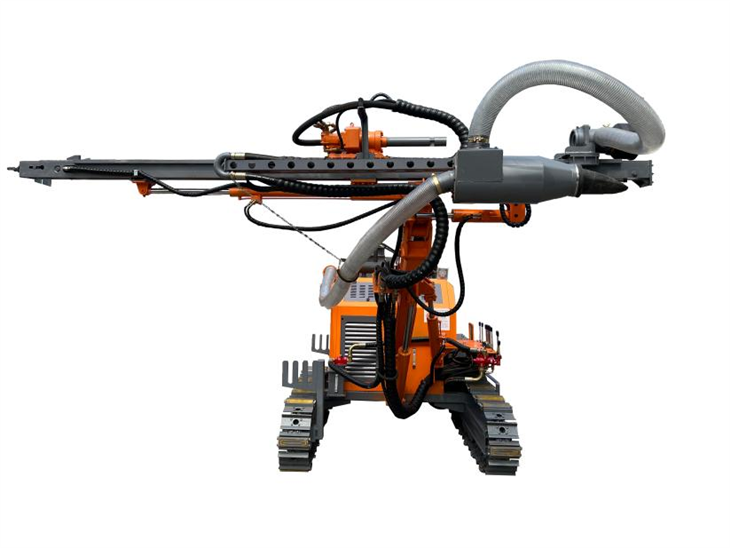
The capabilities of your crawler rock drill rig are another important factor. Each rig has its own maximum and minimum pressure limits. You need to make sure that you're operating within these limits to avoid damaging the rig. You can find more information about different types of crawler drill rigs on our website, like the Drilling Rig Crawler, Rotary Drilling Rig Crawler, and Crawler Mounted Drill Rig.
Steps to Adjust the Drilling Pressure
Now that we've covered the basics, let's get into how you can actually adjust the drilling pressure on a crawler rock drill.
Step 1: Check the Manufacturer's Guidelines
The first step is to refer to the manufacturer's manual for your crawler rock drill. It will provide you with specific instructions on how to adjust the pressure and the recommended pressure settings for different drilling conditions. This is super important because following the guidelines will ensure that you don't damage the rig and get the best performance out of it.
Step 2: Monitor the Drilling Process
Once you start drilling, keep a close eye on how the drill bit is performing. If the drill bit seems to be struggling to penetrate the rock, it might be a sign that you need to increase the pressure. On the other hand, if the drill bit is vibrating excessively or making a lot of noise, it could mean that the pressure is too high.
Step 3: Make Small Adjustments
When adjusting the pressure, it's best to make small changes at a time. This allows you to see how the drill bit responds to the new pressure setting. For example, if you need to increase the pressure, start by increasing it by a small increment, say 5% or 10%. Then, observe the drilling process for a few minutes to see if there's an improvement.
Step 4: Use Pressure Gauges
Most crawler rock drills are equipped with pressure gauges. These gauges are your best friends when it comes to adjusting the pressure accurately. Keep an eye on the gauge readings and make sure that you're within the recommended pressure range.
Tips for Optimal Drilling Pressure Adjustment
Here are some additional tips to help you adjust the drilling pressure more effectively:
Keep the Drill Bit Sharp
A sharp drill bit requires less pressure to cut through the rock. So, make sure to regularly inspect and replace the drill bit when it starts to get dull.
Consider the Depth of the Hole
As you drill deeper, the pressure requirements might change. In some cases, you may need to increase the pressure slightly to maintain the same drilling speed.
Work in Stages
If you're drilling a deep hole, it can be a good idea to work in stages. Drill a short section, adjust the pressure if necessary, and then continue drilling. This approach can help you optimize the pressure throughout the entire drilling process.
Troubleshooting Common Pressure - Related Issues
Sometimes, you might encounter some issues related to the drilling pressure. Here are a few common problems and how to fix them.

Drill Bit Sticking
If the drill bit gets stuck in the rock, it could be due to insufficient pressure. Try increasing the pressure slightly to see if it helps the drill bit break free. However, be careful not to increase the pressure too much, as this could cause the drill bit to break.
Excessive Wear on the Drill Bit
If you notice that the drill bit is wearing out too quickly, it could be a sign that the pressure is too high. Reduce the pressure and see if the wear rate decreases.
Conclusion
Adjusting the drilling pressure of a crawler rock drill is a skill that takes a bit of practice, but it's essential for getting the most out of your drilling operations. By understanding the factors that affect drilling pressure, following the proper adjustment steps, and using the tips and troubleshooting techniques we've discussed, you'll be well on your way to achieving optimal drilling performance.
If you're in the market for a new crawler rock drill or need more information on how to optimize your drilling operations, don't hesitate to reach out. We're here to help you with all your drilling needs and can guide you through the process of choosing the right equipment and adjusting the drilling pressure for your specific requirements.
References
- Manufacturer's manuals of crawler rock drills
- Industry best practices for rock drilling operations