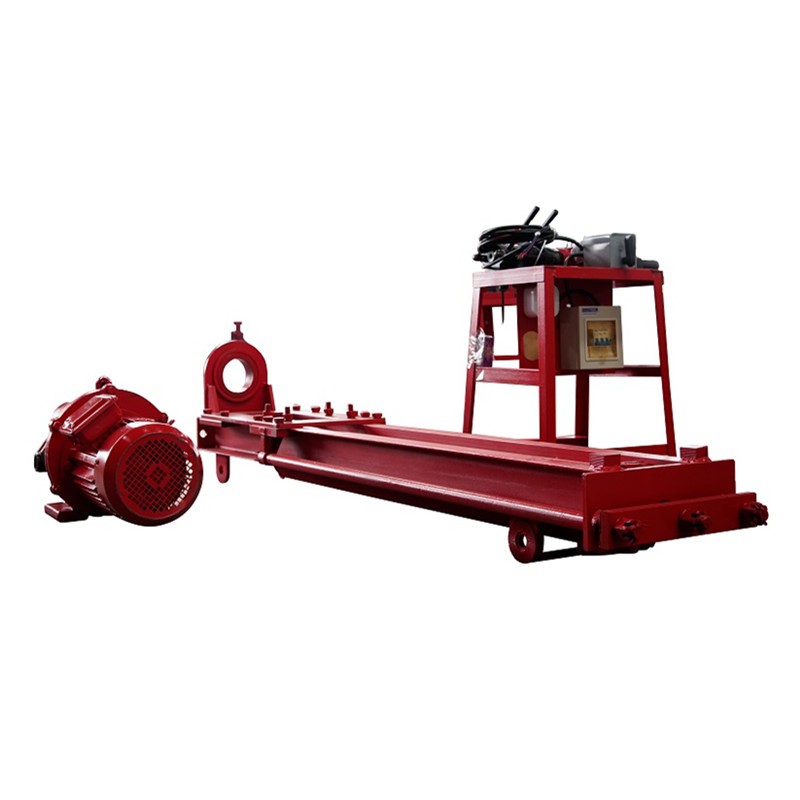
Yo! As a supplier of Pneumatic Drill Rigs, I get a ton of questions from customers all the time. One question that keeps popping up is, "Can a pneumatic drill rig be used underwater?" Well, let's dive right into this topic and see what's what.
First off, let's talk a bit about what a pneumatic drill rig is. A pneumatic drill rig, as the name suggests, runs on compressed air. It's a popular choice for various drilling jobs on land because it's relatively simple, reliable, and can deliver a good amount of power. We have some great models in our lineup, like the Mini Borehole Drilling Machine, the YT28 Rock Drill, and the Portable Rock Drilling Machine. These rigs are designed to handle different types of rock and drilling conditions on the surface.
Now, when it comes to using a pneumatic drill rig underwater, things get a little tricky. The main issue is that air and water don't really play well together in the context of a drill rig. Pneumatic drill rigs rely on a continuous supply of compressed air to operate. When you take them underwater, the water pressure can be a major problem. The higher the water pressure, the harder it is for the compressed air to do its job.
Let's break down the challenges one by one.
Water Pressure
Underwater, the pressure increases with depth. For every 10 meters (about 33 feet) you go down, the pressure increases by about 1 atmosphere. This means that if you're drilling at a depth of 50 meters (around 164 feet), the pressure is about 5 times higher than at the surface. This high pressure can prevent the compressed air from being released properly from the drill rig. The air might not be able to escape the drill bit and create the necessary force to break through the rock.
Corrosion
Water is a natural enemy of metal, and most pneumatic drill rigs are made of metal components. When these components are exposed to water, especially saltwater, they can start to corrode. Corrosion can damage the internal parts of the drill rig, such as the pistons, valves, and cylinders. Over time, this can lead to a decrease in performance and eventually, the failure of the drill rig.
Sealing
To use a pneumatic drill rig underwater, you need to make sure that it's properly sealed. Any leaks in the system can allow water to enter the drill rig, which can cause all sorts of problems. The seals need to be able to withstand the high water pressure and prevent water from getting into the air passages and other critical components.
Air Supply
Another challenge is the air supply. You need to have a reliable way to get compressed air to the drill rig underwater. This usually involves using an air compressor on the surface and running a hose down to the drill rig. However, the longer the hose, the more difficult it is to maintain a consistent air pressure. There can also be issues with the hose getting tangled or damaged underwater.
Despite these challenges, it is possible to use a pneumatic drill rig underwater, but it requires some modifications and special considerations.
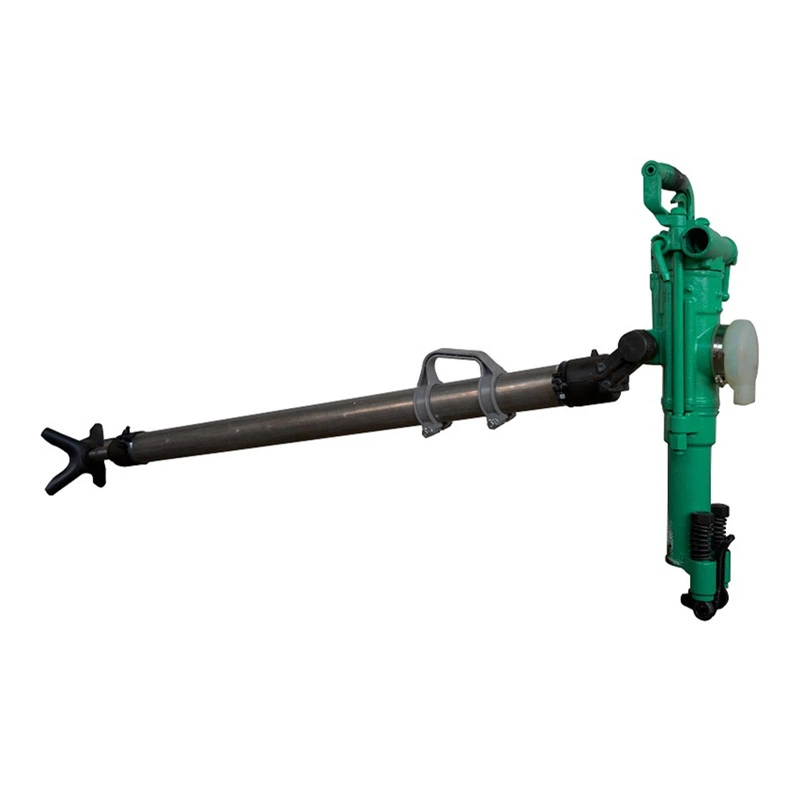

Modifications for Underwater Use
- Pressure Compensation: Some pneumatic drill rigs can be modified to compensate for the water pressure. This might involve using a special valve or a pressure - equalizing system to ensure that the compressed air can still operate the drill bit effectively.
- Corrosion Protection: Applying anti - corrosion coatings to the metal components can help extend the life of the drill rig underwater. You can also use stainless steel or other corrosion - resistant materials for critical parts.
- Improved Sealing: Upgrading the seals to more high - pressure and water - tight seals can prevent water from entering the drill rig. Special gaskets and o - rings can be used to ensure a better seal.
- Enhanced Air Supply System: Using a more powerful air compressor and a larger - diameter hose can help maintain a consistent air supply to the drill rig underwater. You might also need to add pressure regulators and filters to the system.
Applications of Underwater Pneumatic Drill Rigs
There are some situations where using a pneumatic drill rig underwater can be beneficial. For example, in underwater construction projects, such as building oil rig foundations or bridges, you might need to drill holes in the seabed. Pneumatic drill rigs can be used in these cases if the proper modifications are made. They can also be used for underwater mining operations, where you need to drill into the rock to extract minerals.
Our Experience
As a supplier, we've worked with customers who needed to use our pneumatic drill rigs underwater. We've helped them make the necessary modifications and provided them with technical support. We understand the challenges involved and have the expertise to ensure that the drill rigs perform well in underwater conditions.
If you're thinking about using a pneumatic drill rig underwater for your project, we're here to help. We can provide you with the right equipment and offer advice on how to make it work in your specific situation. Whether you need a Mini Borehole Drilling Machine, a YT28 Rock Drill, or a Portable Rock Drilling Machine, we've got you covered.
If you have any questions or want to discuss your project in more detail, don't hesitate to reach out. We're always happy to have a chat and see how we can help you with your drilling needs. Whether it's on land or underwater, we're committed to providing you with the best equipment and service. So, let's start a conversation and see if our pneumatic drill rigs are the right fit for your project.
References
- Smith, J. (2018). Underwater Drilling Technologies: Challenges and Solutions. Journal of Marine Engineering, 25(3), 123 - 135.
- Johnson, A. (2019). Pneumatic Drill Rigs: A Comprehensive Guide. Drilling Equipment Magazine, 12(4), 45 - 56.
- Brown, C. (2020). Corrosion Prevention in Underwater Equipment. Materials Science Review, 30(2), 78 - 89.