Hey there! As a rock drill supplier, I've been getting a lot of questions lately about how hydraulic rock drills work. So, I thought I'd break it down for you in this blog post.
Let's start with the basics. A hydraulic rock drill is a powerful tool used in various industries, like mining, construction, and quarrying. Its main job is to drill holes into hard rock surfaces. But how does it actually do that? Well, it all comes down to the principles of hydraulics.
The Fundamentals of Hydraulics
Hydraulics is all about using a liquid, usually oil, to transmit force. The basic idea behind it is Pascal's Law. Blaise Pascal, a French mathematician and physicist, discovered that when you apply pressure to a confined fluid, that pressure is transmitted equally in all directions.
In a hydraulic rock drill, we have a hydraulic system that consists of a few key components: a hydraulic pump, valves, cylinders, and a drill bit. The hydraulic pump is like the heart of the system. It takes in hydraulic fluid from a reservoir and pressurizes it. This pressurized fluid is then sent through a series of pipes and valves to the different parts of the drill.
How the Hydraulic Rock Drill Works
Power Source and Pumping
First off, the power source of a hydraulic rock drill can vary. It could be an electric motor, a diesel engine, or even a pneumatic system in some cases. This power source drives the hydraulic pump. The pump sucks in hydraulic fluid from the reservoir and increases its pressure. The higher the pressure, the more force the drill can generate.
Control Valves
Once the fluid is pressurized, it heads towards the control valves. These valves are like traffic cops for the hydraulic fluid. They determine where the fluid goes and how much of it gets there. By adjusting the valves, operators can control the speed and force of the drill. For example, if you need to drill a shallow hole quickly, you can adjust the valves to send more fluid at a higher pressure to the drill bit.


Cylinder Action
The pressurized fluid then enters the cylinders. Inside the cylinders, there are pistons. When the fluid enters one side of the cylinder, it pushes the piston. This piston movement is what creates the drilling force. In a hydraulic rock drill, there are usually two main types of cylinder actions: the impact cylinder and the rotation cylinder.
The impact cylinder is responsible for the hammering action. It repeatedly strikes the drill bit, driving it into the rock. Each strike creates a small fracture in the rock, and over time, these fractures add up, allowing the drill bit to penetrate deeper. The rotation cylinder, on the other hand, rotates the drill bit. This rotation helps to break up the rock more efficiently and creates a clean, round hole.
Drill Bit and Drilling
The drill bit is the part that actually comes into contact with the rock. It's made of very hard materials, like tungsten carbide, to withstand the high forces and abrasion. As the impact cylinder hammers the drill bit and the rotation cylinder spins it, the bit chips away at the rock. The drill bit has special cutting edges that are designed to break the rock into small pieces. These pieces are then removed from the hole, usually by a flushing system that uses water or air to carry the debris out.
Advantages of Hydraulic Rock Drills
High Efficiency
One of the biggest advantages of hydraulic rock drills is their high efficiency. Because they use hydraulic power, they can generate a lot of force with relatively little energy input. This means they can drill faster and deeper than some other types of drills. For example, in a mining operation, a hydraulic rock drill can quickly drill holes for blasting, saving a lot of time and money.
Precise Control
Another great thing about hydraulic rock drills is the precise control they offer. Operators can easily adjust the speed, force, and rotation of the drill using the control valves. This makes them suitable for a wide range of applications, from small-scale construction projects to large mining operations. Whether you need to drill a small, precise hole or a large, deep one, a hydraulic rock drill can get the job done.
Durability
Hydraulic rock drills are also known for their durability. The hydraulic components are designed to withstand high pressures and heavy use. The drill bits are made of tough materials that can handle the wear and tear of drilling through hard rock. This means that hydraulic rock drills have a long service life and require less maintenance compared to some other types of drills.
Our Product Range
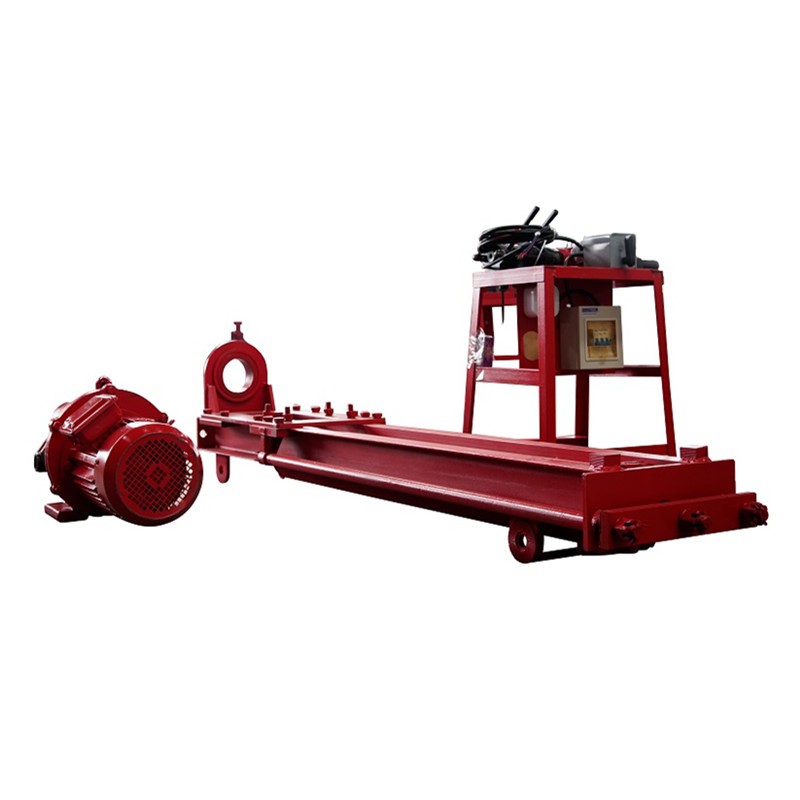
At our company, we offer a wide range of hydraulic rock drills to meet different customer needs. For example, we have the Underground Rock Drill. This drill is specifically designed for use in underground mining and tunneling operations. It's compact, powerful, and easy to maneuver in tight spaces.
We also have the YT28 Rock Drill. This drill is a popular choice for small to medium-sized construction projects. It's lightweight, easy to operate, and can drill holes in various types of rock.
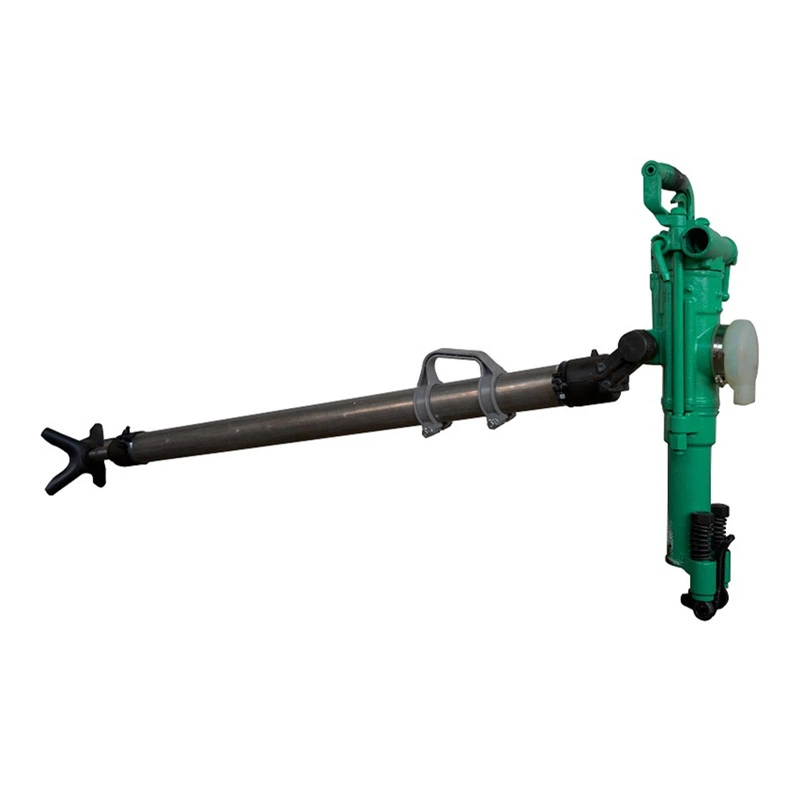
And then there's the Pusher Leg Rock Drill. This drill is great for surface drilling applications. It has a pusher leg that helps to keep the drill stable and in the right position while drilling.
Conclusion
So, there you have it - the working principle of a hydraulic rock drill. It's a combination of hydraulics, mechanics, and precise control that allows these drills to break through some of the toughest rocks. Whether you're in the mining, construction, or quarrying industry, a hydraulic rock drill can be a valuable tool for your operations.
If you're interested in purchasing a rock drill or have any questions about our products, feel free to reach out. We're always happy to help you find the right drill for your needs and provide you with the best possible service. Let's start a conversation and see how we can work together to get your drilling projects done efficiently and effectively.
References
- "Hydraulic Machinery and Equipment" by Frank Yeaple
- "Mining Engineering Handbook" edited by Paul A. LaCamera