What is the voltage requirement for an electric rock drill?
As a seasoned rock drill supplier, I've encountered numerous inquiries regarding the voltage requirements of electric rock drills. This topic is crucial for both professionals in the mining, construction, and quarrying industries and DIY enthusiasts who are planning to undertake rock - drilling projects. In this blog, I'll delve into the factors that determine the voltage needs of electric rock drills, typical voltage specifications, and the implications of using the wrong voltage.
Factors Influencing Voltage Requirements
The voltage requirement of an electric rock drill is not a one - size - fits - all specification. It is influenced by several key factors:
Power and Performance: Electric rock drills come in a wide range of power ratings. Higher - power drills are designed to handle more demanding tasks, such as drilling through hard rock formations. These high - performance drills typically require a higher voltage to operate effectively. For instance, a drill with a powerful motor may need a 220V or even 440V supply to generate enough torque and rotational speed to penetrate tough rocks. On the other hand, smaller, less powerful drills used for light - duty tasks might function well with a 110V supply.
Motor Design: The design of the drill's motor also plays a significant role. Different motor types, such as brushed and brushless motors, have different electrical characteristics. Brushless motors are generally more energy - efficient and may be designed to operate at a wider range of voltages. However, they often require a more sophisticated control system to regulate the voltage and current. Brushed motors, while simpler in design, may have more specific voltage requirements to ensure proper commutation and prevent overheating.
Drill Size and Weight: Larger and heavier rock drills usually have more robust components and larger motors. These drills are intended for continuous, heavy - duty use. To drive these larger motors, a higher voltage is often necessary. Smaller, handheld rock drills, which are more portable and designed for intermittent use, can typically operate on lower voltages.

Environmental Conditions: The environment in which the rock drill will be used can also affect the voltage requirements. In areas with long cable runs or poor electrical infrastructure, there may be significant voltage drops. To compensate for these drops and ensure the drill receives the necessary power, a higher supply voltage may be required. Additionally, in harsh environments where the drill may be exposed to moisture or dust, special voltage - rated electrical components may be needed to maintain safe and reliable operation.
Typical Voltage Specifications
In the market, electric rock drills are available with a variety of voltage options. Here are some common voltage ratings and their typical applications:
110V: This is a standard household voltage in many countries. Electric rock drills rated for 110V are often small, handheld models suitable for DIY projects or light - duty construction work. They are easy to use with standard household electrical outlets, making them accessible to a wide range of users. For example, a homeowner who wants to drill small holes in a rock wall for landscaping purposes might choose a 110V electric rock drill.
220V - 240V: This is a common voltage for industrial and commercial applications. Many medium - sized electric rock drills used in construction sites, small quarries, and mining operations are designed to operate at this voltage. These drills offer a good balance between power and portability. They can handle a wider range of rock types and drilling depths compared to 110V drills.
440V and Higher: High - voltage electric rock drills, typically rated at 440V or above, are used in large - scale mining and heavy - duty construction projects. These drills are designed for continuous, high - volume drilling operations. They have powerful motors that can generate the force needed to drill through extremely hard rocks. In large mines, where multiple drills may be operating simultaneously, a high - voltage electrical system is often installed to supply the necessary power.
Implications of Using the Wrong Voltage
Using an electric rock drill with the wrong voltage can have serious consequences:
Under - Voltage: If a drill is operated at a voltage lower than its rated voltage, it may not be able to reach its full power output. This can result in slower drilling speeds, reduced torque, and difficulty in penetrating hard rocks. The motor may also overheat as it tries to draw more current to compensate for the low voltage, which can lead to premature motor failure.
Over - Voltage: Operating a drill at a voltage higher than its rated voltage can cause even more severe damage. The excessive voltage can cause the insulation in the motor windings to break down, leading to short circuits and electrical fires. It can also damage other electrical components, such as switches and control boards.
Choosing the Right Electric Rock Drill Based on Voltage
When selecting an electric rock drill, it's essential to consider the available voltage supply at your worksite. Here are some tips:
- Assess Your Power Source: Determine the voltage of the electrical supply at your project location. If you're working at a construction site, check with the site's electrical contractor to confirm the available voltage. For DIY projects at home, make sure you have the appropriate electrical outlets.
- Match the Drill to the Task: Consider the type of rock you'll be drilling and the depth of the holes. If you're dealing with hard rocks or need to drill deep holes, a higher - voltage drill may be necessary. For lighter tasks, a lower - voltage drill will suffice.
- Check for Voltage Compatibility: Some electric rock drills are designed to be voltage - adjustable. These drills can operate at different voltages, which provides flexibility, especially if you work in multiple locations with different electrical supplies.
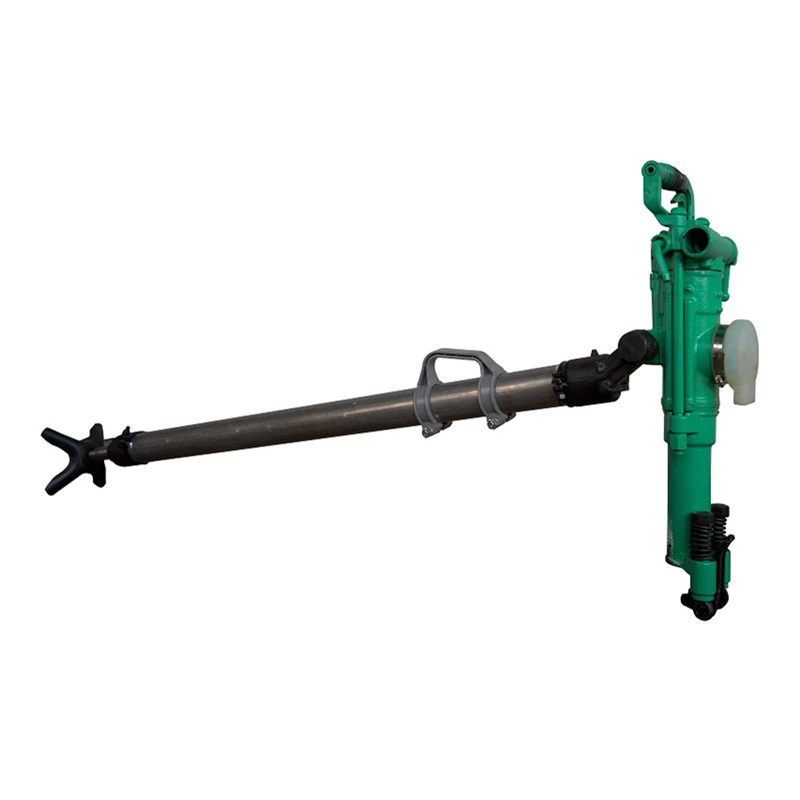
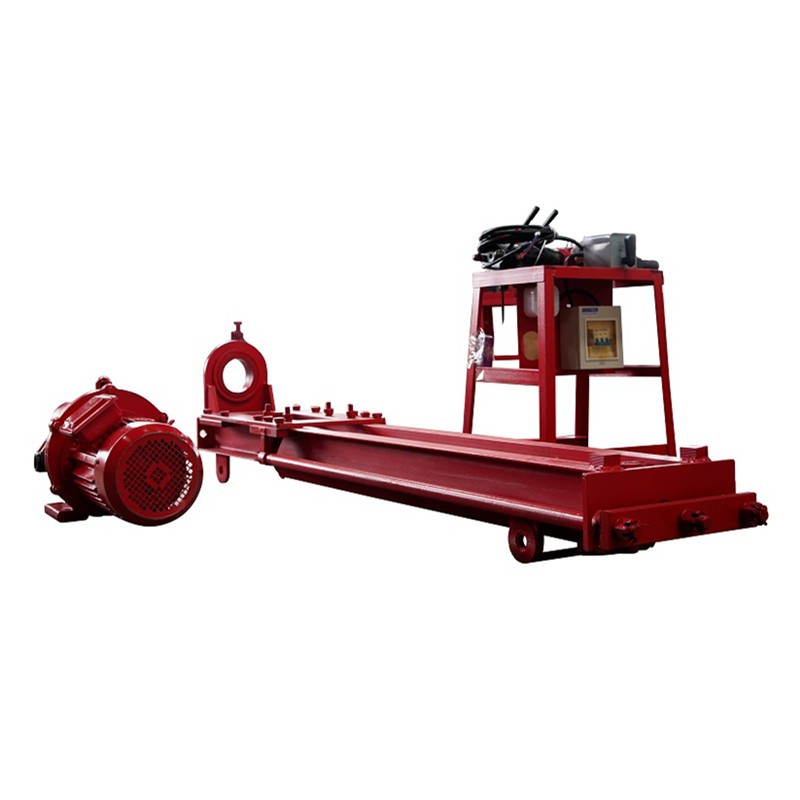
As a rock drill supplier, we offer a wide range of electric rock drills with various voltage options to meet your specific needs. Our Dth Pneumatic Rock Drill is a high - performance option for those looking for a reliable and powerful drilling solution. We also have Pneumatic Drill Rig and Pusher Leg Rock Drill models that are available in different power ratings and voltage specifications.
If you're interested in purchasing an electric rock drill or have any questions about voltage requirements, please feel free to contact us. Our team of experts is ready to assist you in choosing the right drill for your project. We can provide detailed product information, technical support, and help you with the procurement process.
References
- "Handbook of Electric Motor Technology" by Paul C. Krause, Oleg Wasynczuk, and Scott D. Sudhoff.
- "Mining Engineering Handbook" by Hartman, H. L., and Mutmansky, J. M.
- Industry standards and guidelines from organizations such as the International Electrotechnical Commission (IEC) and the National Electrical Manufacturers Association (NEMA).