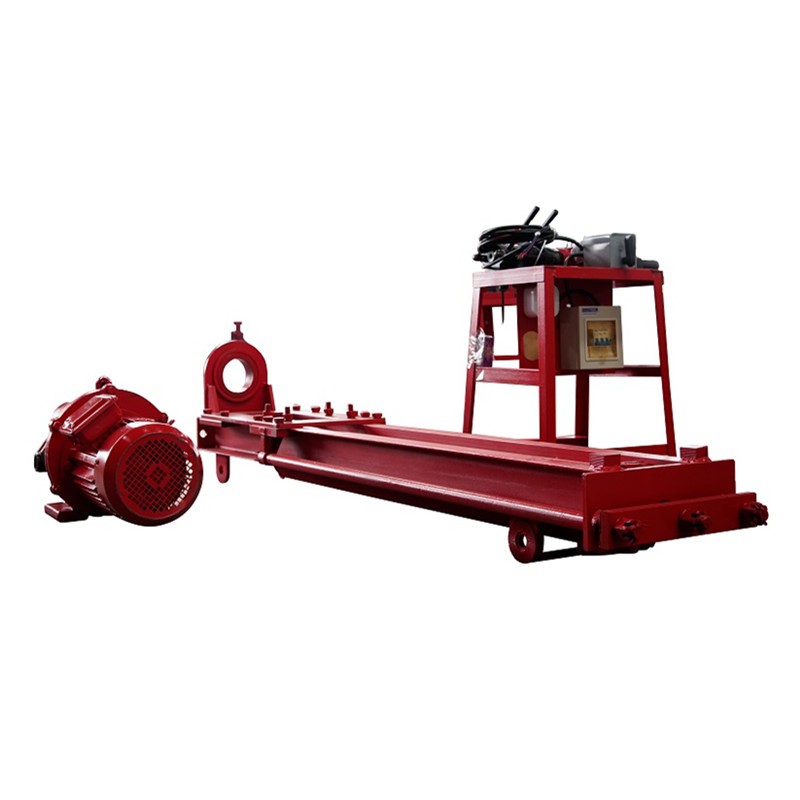
What is the vibration level of compact rock drill rigs?
As a leading supplier of compact rock drill rigs, I've witnessed firsthand the crucial role that vibration levels play in the performance, safety, and efficiency of these powerful machines. In this blog post, I'll delve into the intricacies of vibration levels in compact rock drill rigs, exploring what they are, why they matter, and how we, as a supplier, ensure that our products meet the highest standards.
Understanding Vibration Levels in Compact Rock Drill Rigs
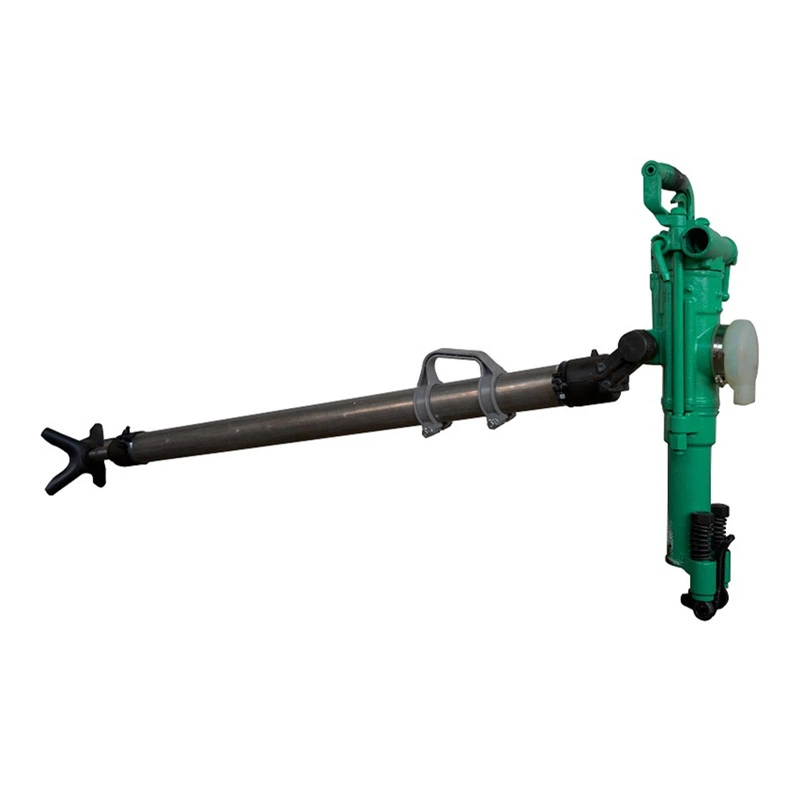
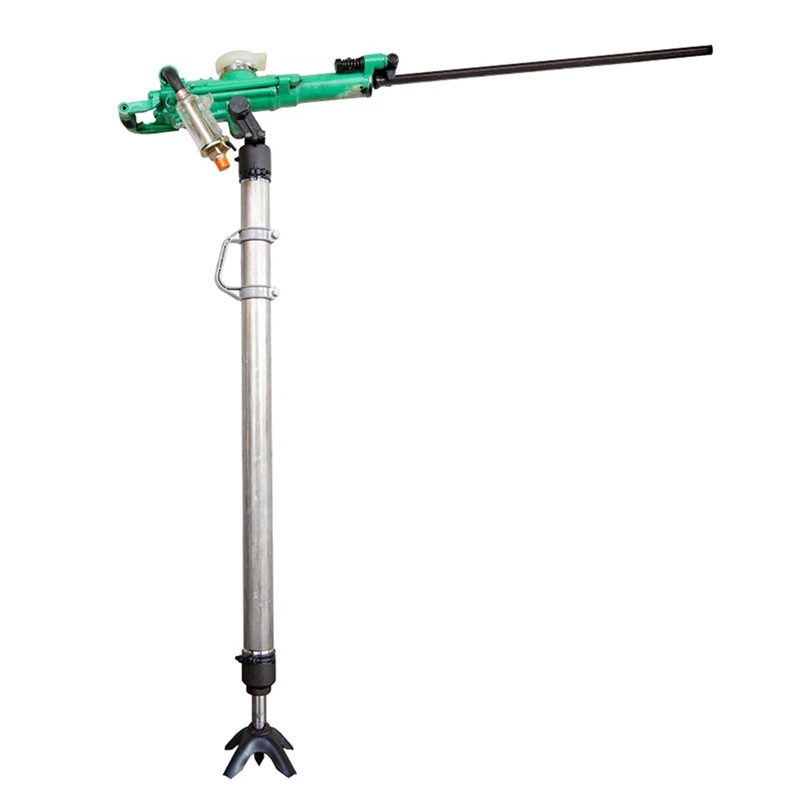
Vibration levels in compact rock drill rigs refer to the amount of oscillatory motion generated by the drill during operation. This vibration is a natural by - product of the drilling process, as the drill bit impacts the rock surface to create holes. The vibration is typically measured in terms of acceleration, usually in meters per second squared (m/s²). Different types of compact rock drill rigs, such as Hand Held Rock Drilling Machine, Pusher Leg Rock Drill, and Dth Rock Drilling Rig, may have varying vibration levels depending on their design, power source, and intended application.
There are two main types of vibration that are relevant to compact rock drill rigs: whole - body vibration (WBV) and hand - arm vibration (HAV). Whole - body vibration occurs when the operator is in contact with the vibrating machine, and the vibration is transmitted through the body. Hand - arm vibration, on the other hand, is specifically related to the vibration that is transferred to the operator's hands and arms through the drill's handles or controls.
Why Vibration Levels Matter
The vibration levels of compact rock drill rigs have significant implications for both the operator and the machine itself.
Operator Safety and Health: High levels of vibration can have serious health consequences for operators. Prolonged exposure to hand - arm vibration can lead to a condition known as hand - arm vibration syndrome (HAVS), which includes symptoms such as numbness, tingling, pain, and reduced grip strength. Whole - body vibration can also cause back pain, fatigue, and other musculoskeletal disorders. By keeping vibration levels within acceptable limits, we can protect the health and well - being of our operators.
Machine Performance and Durability: Excessive vibration can also affect the performance and durability of the drill rig. High vibration levels can cause premature wear and tear on the drill components, leading to increased maintenance costs and reduced machine lifespan. It can also affect the accuracy of the drilling, resulting in uneven holes or reduced drilling efficiency.
Factors Affecting Vibration Levels
Several factors can influence the vibration levels of compact rock drill rigs:
Drill Bit Design: The design of the drill bit plays a crucial role in determining the vibration levels. A well - designed drill bit will cut through the rock more smoothly, reducing the amount of vibration generated. For example, drill bits with sharp cutting edges and proper flute designs can improve the drilling performance and reduce vibration.
Power Source: Different power sources, such as pneumatic, hydraulic, or electric, can also affect the vibration levels. Pneumatic drills, for instance, may produce more vibration due to the pulsating air flow, while electric drills may offer a smoother operation with lower vibration levels.
Rock Type: The type of rock being drilled is another important factor. Harder rocks generally require more force to drill through, which can result in higher vibration levels. Softer rocks, on the other hand, may allow for a more gentle drilling process with lower vibration.
Machine Maintenance: Regular maintenance of the drill rig is essential for keeping vibration levels in check. Worn - out components, loose connections, or improper lubrication can all increase vibration levels. By ensuring that the machine is properly maintained, we can minimize vibration and extend the machine's lifespan.
Measuring Vibration Levels
To assess the vibration levels of compact rock drill rigs, specialized measuring equipment is used. Accelerometers are commonly employed to measure the acceleration of the vibration. These sensors can be attached to different parts of the drill rig, such as the handles or the drill body, to measure both hand - arm and whole - body vibration.
The measurement is typically taken over a specific period of time, and the results are then analyzed to determine the average vibration levels. International standards, such as ISO 5349 for hand - arm vibration and ISO 2631 for whole - body vibration, provide guidelines on acceptable vibration levels to protect the health of operators.
How Our Company Ensures Optimal Vibration Levels
As a supplier of compact rock drill rigs, we are committed to providing our customers with products that offer optimal vibration levels.
Advanced Design and Engineering: Our research and development team uses the latest technologies and engineering principles to design drill rigs that minimize vibration. We conduct extensive testing and simulations to optimize the drill bit design, power transmission systems, and overall machine structure.
Quality Components: We source high - quality components for our drill rigs. From the drill bits to the hydraulic or pneumatic systems, we ensure that all parts are made to the highest standards. This helps to reduce vibration and improve the overall performance and durability of the machine.
Operator Training: We also provide comprehensive training to our operators on how to use the drill rigs safely and efficiently. Proper operating techniques, such as maintaining the correct drilling angle and pressure, can help to reduce vibration levels and protect the health of the operators.
Conclusion
In conclusion, understanding and controlling the vibration levels of compact rock drill rigs is essential for ensuring operator safety, machine performance, and durability. At our company, we take great pride in our ability to provide compact rock drill rigs that offer optimal vibration levels. Whether you are in the mining, construction, or quarrying industry, our drill rigs are designed to meet your needs while protecting the health of your operators.
If you are interested in learning more about our compact rock drill rigs or have any questions regarding vibration levels and their impact on your operations, we encourage you to contact us. We look forward to the opportunity to discuss your specific requirements and help you find the perfect drill rig for your project.

References
- ISO 5349 - Mechanical vibration - Measurement and evaluation of human exposure to hand - arm vibration.
- ISO 2631 - Mechanical vibration and shock - Evaluation of human exposure to whole - body vibration.
- European Agency for Safety and Health at Work. "Vibration: A guide to the Workplace Directive."