Hey there! As a supplier of Low Pressure DTH Hammers, I often get asked about the vibration level of these tools. So, I thought I'd take some time to break it down for you.


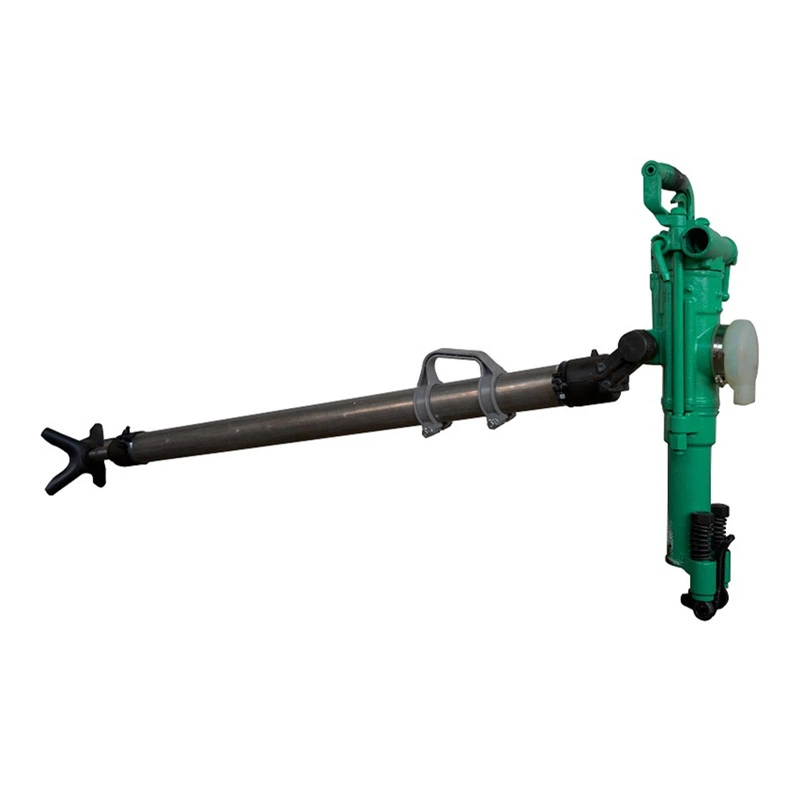
First off, let's talk about what a Low Pressure DTH Hammer is. A Low Pressure Dth Hammer is a type of drilling equipment that's used in various industries, like mining, construction, and geothermal drilling. It works by using compressed air to drive a piston inside the hammer, which then strikes the drill bit, creating the force needed to break through rock and other hard materials.
Now, onto the main question: what's the vibration level of a low pressure DTH hammer? Well, the vibration level can vary depending on a few different factors.
One of the biggest factors is the design of the hammer itself. Different manufacturers may have different designs that can affect how much vibration is produced. For example, some hammers may have better damping systems or more balanced components, which can help reduce vibration.
The operating conditions also play a huge role. The type of rock or material you're drilling into can make a big difference. Harder rocks generally require more force to break through, which can lead to higher vibration levels. Also, the depth of the hole and the drilling speed can impact vibration. If you're drilling at a high speed or in a very deep hole, you might experience more vibration.
Another important factor is the maintenance of the hammer. A well - maintained hammer is likely to produce less vibration. If the internal components are worn out or not properly lubricated, it can cause the hammer to operate less smoothly and increase vibration.
Let's look at some typical vibration levels. In general, low pressure DTH hammers are designed to keep vibration levels as low as possible. Most modern hammers have vibration levels that are within acceptable industry standards. However, it's hard to give an exact number because, as I mentioned, it depends on so many variables.
On average, in normal operating conditions when drilling into medium - hardness rock, the vibration level at the drill rig can range from about 2 - 5 m/s² (meters per second squared). But this is just a rough estimate. If you're drilling into extremely hard rock, the vibration could go up to 8 - 10 m/s² or even higher in some cases.
Why is it important to keep the vibration level in check? Well, high vibration levels can have several negative impacts. For one, it can cause discomfort for the operator. Prolonged exposure to high - vibration levels can lead to health problems like hand - arm vibration syndrome, which can cause pain, numbness, and reduced dexterity in the hands and arms.
High vibration can also affect the performance and lifespan of the equipment. It can cause components to wear out faster, leading to more frequent breakdowns and higher maintenance costs. And it can even affect the accuracy of the drilling. Excessive vibration can make it harder to control the direction of the drill bit, resulting in a less precise hole.
So, as a supplier, we take vibration levels very seriously. We work hard to ensure that our Low Pressure Dth Hammers are designed and manufactured to minimize vibration. We use advanced engineering techniques and high - quality materials to create hammers that are not only powerful but also operate smoothly.
We also provide our customers with detailed operating instructions and maintenance guidelines. By following these, operators can help keep the vibration levels down. For example, regularly checking and replacing worn - out parts, using the right drilling parameters for the specific rock type, and ensuring proper lubrication can all contribute to reducing vibration.
When it comes to choosing the right DTH hammer, it's important to consider the vibration level along with other factors like power, efficiency, and cost. You want a hammer that can get the job done effectively without causing too much vibration.
And don't forget about the drill bits. The DTH Hammer Drill Bits you use can also affect the vibration level. A dull or damaged drill bit can cause the hammer to work harder and increase vibration. So, make sure you choose high - quality drill bits and replace them when they start to wear out.
In conclusion, the vibration level of a low pressure DTH hammer is a complex issue that depends on many factors. But by choosing a reliable supplier, following proper maintenance procedures, and using the right drill bits, you can keep the vibration levels under control.
If you're in the market for a low pressure DTH hammer or have any questions about vibration levels or our products, don't hesitate to reach out. We're here to help you find the best solution for your drilling needs. Whether you're a small - scale contractor or a large - scale mining company, we have the expertise and products to meet your requirements.
References
- Industry standards for DTH hammers and vibration levels
- Technical literature from DTH hammer manufacturers
- Research on the impact of vibration on equipment and operators in the drilling industry