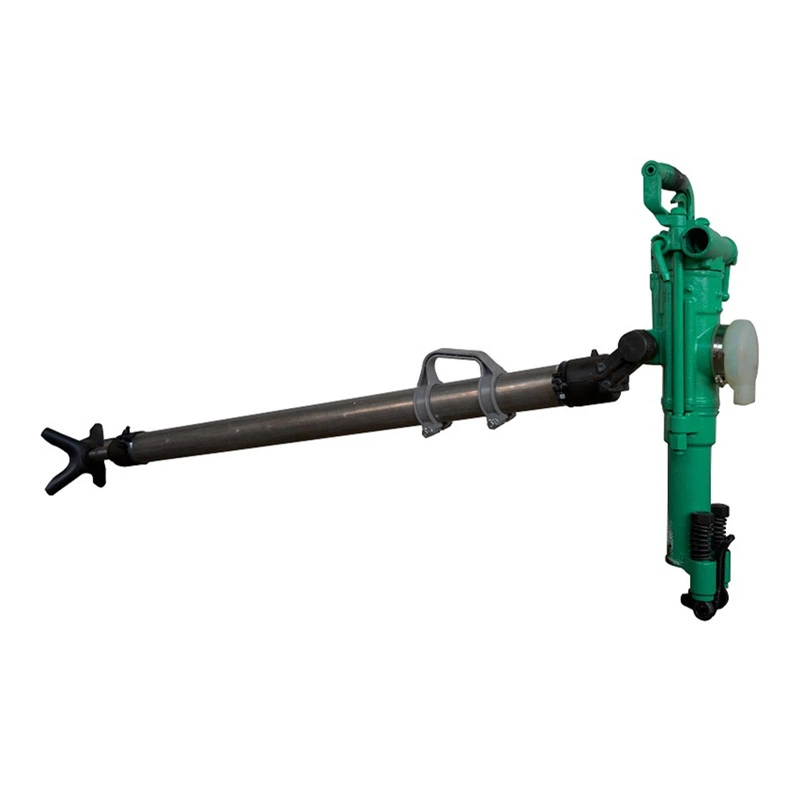
Vibration isolation technology in modern rock drills is a game - changer. As a rock drill supplier, I've seen firsthand how this tech has revolutionized the industry. Let's dig into what it is and why it matters.

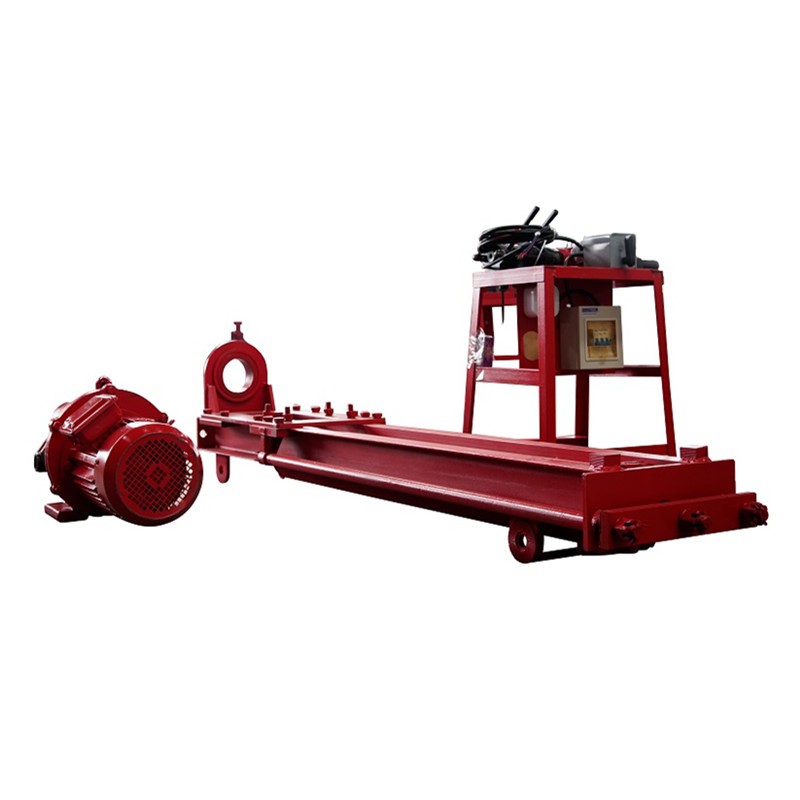
Why Vibration Isolation is a Big Deal
First off, why do we even need vibration isolation in rock drills? Well, rock drills are used in some pretty tough environments. They're constantly hammering away at hard rock, which generates a ton of vibrations. These vibrations can cause all sorts of problems. For the operators, it can lead to hand - arm vibration syndrome (HAVS), which is a real pain in the neck - or rather, in the hands. Symptoms include numbness, tingling, and loss of grip strength. Over time, it can even cause permanent damage.
From a machine perspective, excessive vibrations can wear out components faster. Bolts can come loose, parts can break, and the overall lifespan of the drill can be significantly reduced. So, finding a way to isolate these vibrations is crucial for both the well - being of the operators and the longevity of the equipment.
How Vibration Isolation Technology Works
There are several ways vibration isolation technology is implemented in modern rock drills.
Rubber Mountings
One of the most common methods is using rubber mountings. Rubber is a great material for vibration isolation because it can absorb and dampen vibrations. These rubber mounts are placed between different parts of the rock drill, like between the motor and the frame. When the drill is in operation, the rubber compresses and expands, absorbing the energy from the vibrations and preventing it from being transferred to other parts of the machine or to the operator's hands.
For example, in our Hand Held Rock Drilling Machine, we use high - quality rubber mounts. These mounts are designed to be flexible enough to absorb vibrations but also strong enough to withstand the rigors of continuous use. They've been a real hit with our customers, as they've noticed a significant reduction in the amount of vibration they feel while using the drill.
Spring Systems
Another approach is the use of spring systems. Springs work by storing and releasing energy. When a vibration hits a spring, the spring compresses, storing the energy. Then, as the spring expands, it releases the energy in a more controlled way. This helps to smooth out the vibrations and reduce their intensity.
In some of our Pneumatic Drill Rig models, we've incorporated spring - based vibration isolation systems. These systems are especially effective in reducing the high - frequency vibrations that are often associated with pneumatic drills. By using springs, we're able to protect the internal components of the drill and make the operating experience more comfortable for the user.
Active Vibration Control
A more advanced form of vibration isolation is active vibration control. This technology uses sensors to detect vibrations and then counteracts them with an opposing force. It's like having a little army of vibration - fighting robots inside the drill.
Here's how it works: sensors are placed at strategic points on the drill. These sensors constantly monitor the vibrations. When they detect a vibration, they send a signal to a control unit. The control unit then calculates the appropriate opposing force and activates an actuator to generate that force. This opposing force cancels out the vibration, resulting in a much smoother operation.
Our Dth Rock Drilling Rig is equipped with an active vibration control system. This system has been a game - changer for deep - hole drilling operations. It allows for more precise drilling and reduces the wear and tear on the drill, which ultimately saves our customers time and money.
Benefits of Vibration Isolation Technology
The benefits of vibration isolation technology in rock drills are numerous.
Operator Comfort
As I mentioned earlier, reducing vibrations is crucial for the comfort of the operators. When operators don't have to deal with excessive vibrations, they can work for longer periods without getting fatigued. This means increased productivity and fewer breaks. It also reduces the risk of HAVS, which is a major win for the health and safety of the workers.
Equipment Longevity
Vibration isolation technology also extends the lifespan of the rock drills. By reducing the amount of stress on the components, the drill is less likely to break down. This means fewer repairs and replacements, which saves our customers money in the long run.
Improved Performance
With less vibration, the drill can operate more efficiently. It can maintain a more stable drilling path, which results in more accurate holes. This is especially important in applications where precision is key, like in construction and mining.
The Future of Vibration Isolation Technology
The future of vibration isolation technology in rock drills looks bright. As technology continues to advance, we can expect to see even more innovative solutions. For example, researchers are looking into using smart materials that can change their properties in response to vibrations. These materials could potentially provide even better vibration isolation than current methods.
We're also likely to see more integration of artificial intelligence and machine learning into vibration control systems. These technologies could allow the drill to adapt to different drilling conditions in real - time, further optimizing the vibration isolation process.
Conclusion
In conclusion, vibration isolation technology is a vital part of modern rock drills. It offers numerous benefits, from improving operator comfort and safety to increasing equipment longevity and performance. As a rock drill supplier, we're committed to staying at the forefront of this technology. We're constantly researching and developing new ways to make our drills even better.
If you're in the market for a rock drill, whether it's a Pneumatic Drill Rig, a Hand Held Rock Drilling Machine, or a Dth Rock Drilling Rig, we've got you covered. Our drills are equipped with the latest vibration isolation technology to ensure the best possible performance.
If you're interested in learning more about our products or have any questions about vibration isolation technology, don't hesitate to reach out. We're here to help you find the perfect rock drill for your needs. Let's start a conversation and see how we can work together to take your drilling operations to the next level.
References
- Industry reports on rock drill technology advancements
- Research papers on vibration isolation in heavy machinery
- Internal product development records and test results