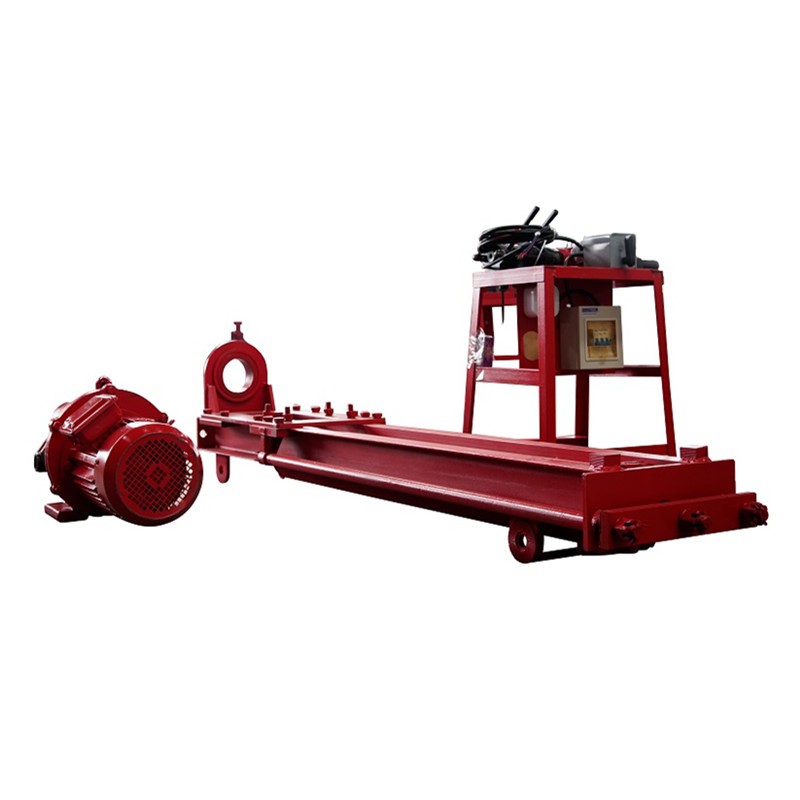
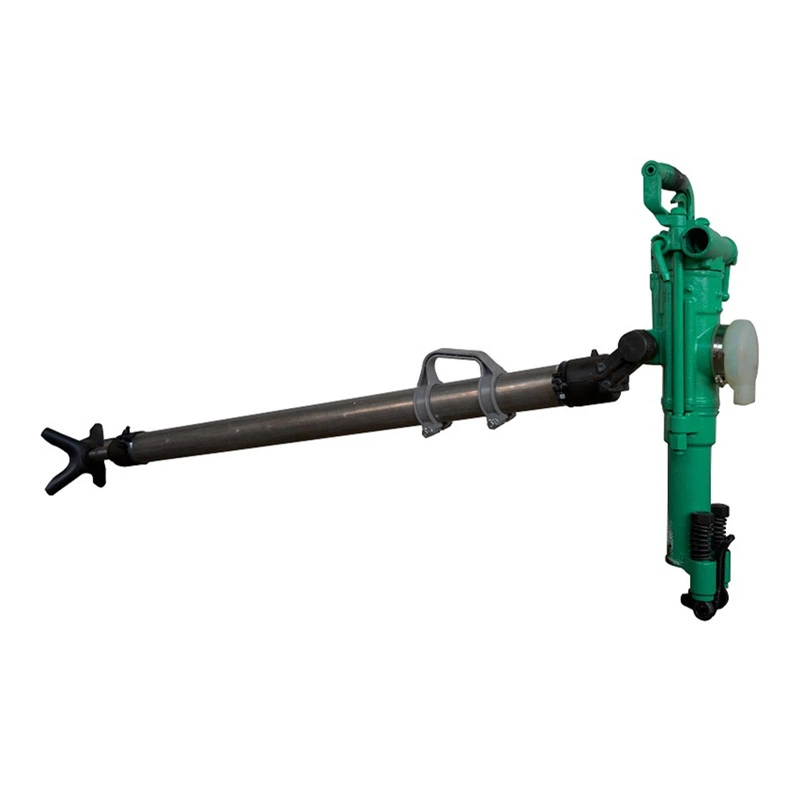
As a supplier of Low Pressure DTH Hammers, I've witnessed firsthand the growing demand for equipment that combines high - performance drilling with minimal noise pollution. In this blog, I'll delve into the sound insulation design of low - pressure DTH hammers, exploring the principles, methods, and the importance of this design.
The Significance of Sound Insulation in Low - Pressure DTH Hammers
In many drilling operations, noise is a major concern. High - decibel noise not only affects the working environment of operators but also has a negative impact on the surrounding community. For low - pressure DTH hammers, which are often used in urban construction, mining in residential areas, or other noise - sensitive locations, effective sound insulation design is crucial.
Excessive noise can lead to hearing damage among workers, and it may also cause disputes with nearby residents. Moreover, in some regions, there are strict environmental noise regulations. Complying with these regulations is not only a legal requirement but also an important aspect of corporate social responsibility. By implementing good sound insulation design, we can ensure that our low - pressure DTH hammers can be used in a wider range of scenarios without causing excessive noise problems.
Principles of Sound Insulation Design
The basic principle of sound insulation design for low - pressure DTH hammers is to reduce the transmission of sound waves from the source (the hammer's internal working components) to the outside environment. Sound waves are mechanical waves that propagate through a medium. To achieve effective sound insulation, we need to disrupt the propagation path of these waves.
One of the key principles is to use materials with high sound - absorption coefficients. These materials can convert the energy of sound waves into other forms of energy, such as heat, when the sound waves interact with them. Another principle is to create a physical barrier between the sound source and the outside. This barrier can reflect, absorb, or scatter sound waves, reducing their intensity as they reach the exterior.


Methods of Sound Insulation Design
Material Selection
The choice of materials plays a vital role in sound insulation. For the outer casing of the low - pressure DTH hammer, we often use materials with good sound - absorption properties. For example, some special polymers or composite materials can be used. These materials have a porous structure, which allows sound waves to enter and be absorbed within the material.
In addition, rubber - like materials can be used as gaskets and seals. These materials not only help to prevent the leakage of compressed air but also act as a buffer, reducing the vibration and noise generated by the impact of internal components.
Structural Design
The internal structure of the low - pressure DTH hammer also affects sound insulation. We can design the hammer with a multi - chamber structure. Each chamber can act as a sound - absorbing cavity. When sound waves enter these chambers, they are reflected and absorbed multiple times, reducing their energy.
For example, we can separate the impact chamber from the air - supply chamber. This separation helps to isolate the noise generated by the impact process from the outside. At the same time, we can use baffles and partitions within the hammer to disrupt the direct propagation of sound waves.
Vibration Isolation
Vibration is one of the main sources of noise in a DTH hammer. By using vibration - isolation techniques, we can reduce the amount of vibration transferred to the outer casing and then to the surrounding environment.
We can install vibration - isolation mounts between the internal working components and the outer casing. These mounts are usually made of elastic materials, such as rubber or springs. They can absorb and dampen the vibration energy, preventing it from being converted into sound waves and radiated to the outside.
The Role of Low - Pressure DTH Hammers in Noise - Sensitive Applications
Low - pressure DTH hammers with good sound insulation design are well - suited for a variety of noise - sensitive applications. In urban construction projects, such as foundation drilling for high - rise buildings in densely populated areas, the low noise level of these hammers allows the construction work to proceed without causing excessive disturbance to the nearby residents.
In mining operations near residential areas, low - pressure DTH hammers can be used to drill exploration holes or for small - scale mining activities. The reduced noise pollution makes it possible to carry out these operations with less opposition from the local community.
The Impact of Sound Insulation Design on Performance
Some people may worry that sound insulation design may have a negative impact on the performance of low - pressure DTH hammers. However, through proper design and optimization, we can achieve a balance between sound insulation and performance.
The use of sound - absorbing materials and vibration - isolation components does not significantly reduce the impact energy of the hammer. In fact, by reducing vibration, we can sometimes improve the stability and accuracy of the drilling process. Moreover, the multi - chamber structure and proper internal layout can also help to optimize the air - flow within the hammer, which is beneficial for its overall performance.
Advantages of Our Low - Pressure DTH Hammers in Sound Insulation
As a supplier of Low Pressure Dth Hammer, we have invested a lot of resources in research and development to improve the sound insulation design of our products. Our low - pressure DTH hammers are equipped with high - quality sound - absorbing materials and advanced vibration - isolation components.
We use state - of - the - art manufacturing techniques to ensure the precision of the internal structure, which maximizes the sound - insulation effect. Our products have been tested in various real - world scenarios and have proven to meet or exceed the relevant noise - reduction standards.
Compatibility with Drill Bits
The sound insulation design of our low - pressure DTH hammers is also compatible with a wide range of DTH Hammer Drill Bits. Whether you need a bit for soft rock, hard rock, or other special drilling conditions, our hammers can work effectively with the corresponding drill bits while maintaining a low noise level.
Conclusion
In conclusion, the sound insulation design of low - pressure DTH hammers is a complex but essential aspect of product development. By understanding the principles and methods of sound insulation, we can create hammers that not only perform well in terms of drilling but also minimize noise pollution.
Our company is committed to providing high - quality low - pressure DTH hammers with excellent sound insulation performance. If you are in the market for a reliable and quiet low - pressure DTH hammer, we invite you to contact us for procurement and negotiation. We are confident that our products will meet your needs and expectations.
References
- "Drilling Engineering Handbook", various authors, published by a well - known engineering publishing house.
- Research papers on DTH hammer technology in international drilling engineering journals.