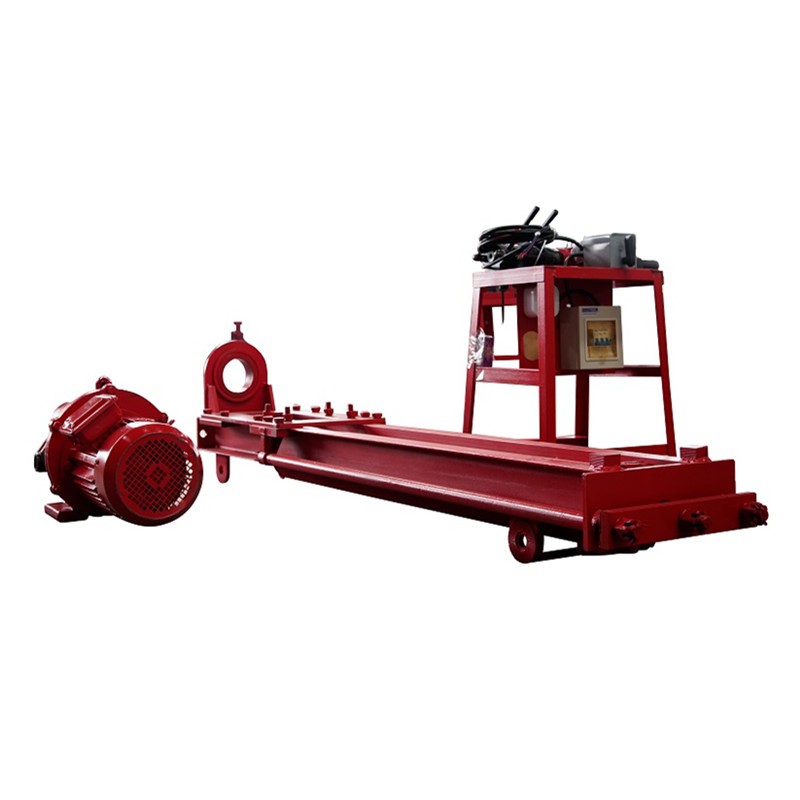
As a seasoned rock drill supplier, I've witnessed firsthand the critical role that compatibility between rock drills and drill rods plays in the efficiency and effectiveness of drilling operations. In this blog, I'll delve into the intricacies of this compatibility, exploring the factors that influence it and the implications for various drilling applications.
Understanding the Basics of Rock Drills and Drill Rods
Before we dive into compatibility, let's briefly review what rock drills and drill rods are. Rock drills are powerful tools designed to break through hard rock formations. They come in various types, including pneumatic, hydraulic, and electric, each with its own set of advantages and applications. Pneumatic Drill Rig are popular for their simplicity, reliability, and cost-effectiveness, making them a common choice for many drilling tasks.
Drill rods, on the other hand, are the long, slender shafts that connect the rock drill to the drill bit. They transmit the rotational and percussive forces from the drill to the bit, allowing it to penetrate the rock. Drill rods are typically made of high-strength steel and come in different sizes, lengths, and thread types to suit various drilling requirements.
Factors Affecting Compatibility
Several factors influence the compatibility between rock drills and drill rods. Understanding these factors is crucial for ensuring optimal performance and preventing premature wear and damage to the equipment.
1. Thread Type
One of the most important factors is the thread type. The thread on the drill rod must match the thread on the rock drill chuck to ensure a secure connection. There are several standard thread types used in the drilling industry, such as R32, R38, T38, and GT35. Using the wrong thread type can result in loose connections, which can lead to vibration, reduced drilling efficiency, and even damage to the drill rod and chuck.
2. Shank Size
The shank size of the drill rod must also be compatible with the rock drill. The shank is the end of the drill rod that fits into the drill chuck. It comes in different sizes, such as 22mm, 25mm, and 32mm. Using a drill rod with an incorrect shank size can cause poor fit, leading to reduced power transfer and increased wear on the chuck and shank.
3. Rod Diameter and Length
The diameter and length of the drill rod can also affect compatibility. The diameter of the drill rod should be selected based on the size of the hole to be drilled and the type of rock formation. A larger diameter rod is generally more suitable for drilling larger holes and harder rock, while a smaller diameter rod is better for smaller holes and softer rock.
The length of the drill rod is also important. Longer drill rods are typically used for deeper drilling, but they can also be more prone to bending and vibration. It's important to choose the right length of drill rod based on the drilling depth and the stability of the rock formation.

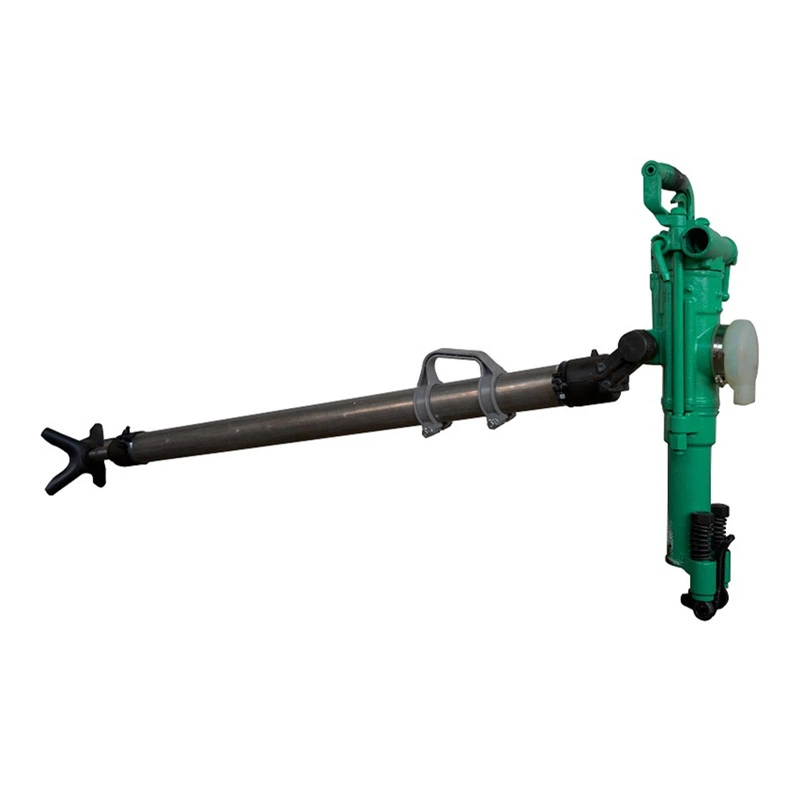
4. Rock Drill Power and Performance
The power and performance of the rock drill are also factors to consider. A more powerful rock drill can handle larger and heavier drill rods, while a less powerful drill may require smaller, lighter rods. It's important to match the power of the rock drill to the size and type of drill rod to ensure optimal performance.
Compatibility in Different Drilling Applications
The compatibility between rock drills and drill rods can vary depending on the drilling application. Here are some common drilling applications and the considerations for compatibility:
1. Surface Drilling
In surface drilling, such as quarrying and construction, Compact Rock Drill Rigs are often used. These rigs are typically more portable and easier to maneuver than larger rigs. For surface drilling, shorter drill rods with smaller diameters are often used. The thread type and shank size should be selected based on the specific rock drill being used.
2. Underground Drilling
Underground drilling, such as mining and tunneling, requires more robust equipment. Portable Rock Drilling Machine are commonly used in underground applications. These machines need to be able to handle the harsh conditions and limited space underground. Longer drill rods with larger diameters may be required for deeper drilling in underground mines. Compatibility with the rock drill is crucial to ensure safe and efficient operation.
3. Water Well Drilling
Water well drilling requires drill rods that can withstand the high pressures and abrasive conditions associated with drilling through soil and rock to reach water sources. The thread type, shank size, and rod diameter should be carefully selected to ensure a secure connection and efficient drilling. Additionally, the drill rods should be resistant to corrosion to prevent damage from the water and soil.
Benefits of Ensuring Compatibility
Ensuring compatibility between rock drills and drill rods offers several benefits:
1. Improved Drilling Efficiency
A proper match between the rock drill and drill rod ensures efficient power transfer, resulting in faster drilling and reduced energy consumption. This can lead to significant cost savings in the long run.
2. Extended Equipment Life
Using compatible drill rods and rock drills can help prevent premature wear and damage to the equipment. This extends the lifespan of the drill rods and rock drill, reducing the need for frequent replacements and maintenance.
3. Enhanced Safety
A secure connection between the drill rod and rock drill is essential for safe operation. Incompatible components can lead to loose connections, which can cause the drill rod to come loose during drilling, posing a safety hazard to the operator and others on the job site.
Conclusion
In conclusion, the compatibility between rock drills and drill rods is a critical factor in the success of any drilling operation. By understanding the factors that affect compatibility, such as thread type, shank size, rod diameter, and rock drill power, and selecting the right components for the specific drilling application, you can ensure optimal performance, efficiency, and safety.
If you're in the market for high-quality rock drills and compatible drill rods, we're here to help. Our team of experts can assist you in choosing the right equipment for your needs. Whether you're involved in surface drilling, underground mining, or water well drilling, we have the solutions to meet your requirements. Contact us today to start a discussion about your drilling needs and explore our range of products.
References
- Drilling Equipment Handbook, Industry Publication
- Rock Drilling Technology Manual, Manufacturer's Guide