What is the power source of a pneumatic drill rig?
As a supplier of pneumatic drill rigs, I've had numerous conversations with customers about the power sources that drive these remarkable machines. Pneumatic drill rigs are widely used in various industries, from mining and construction to quarrying, due to their efficiency, reliability, and adaptability. In this blog, I'll delve into the power sources of pneumatic drill rigs, exploring how they work and why they are so crucial in the operation of these tools.
The Basics of Pneumatic Drill Rigs
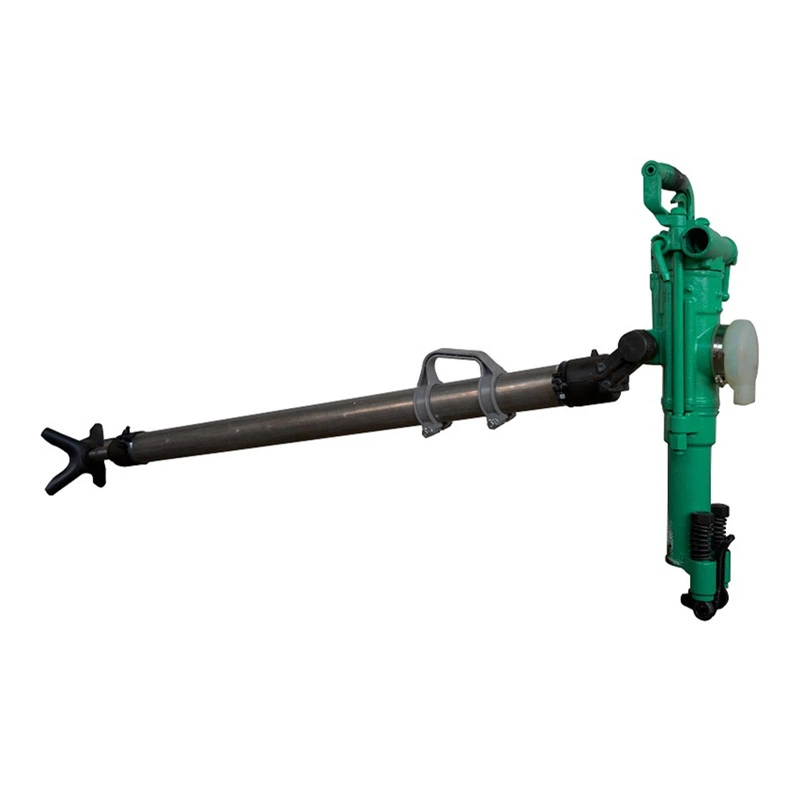
Before we dive into the power sources, let's briefly understand what a pneumatic drill rig is. A pneumatic drill rig is a drilling machine that uses compressed air to power its operation. It consists of several components, including a drill bit, a piston, and a valve system. When the compressed air is introduced into the drill rig, it causes the piston to move back and forth, which in turn rotates the drill bit and allows it to penetrate the surface.
Compressed Air: The Primary Power Source
The primary power source of a pneumatic drill rig is compressed air. Compressed air is air that has been pressurized to a higher than atmospheric pressure. This pressurized air is stored in a tank or supplied directly from an air compressor. When the compressed air is released into the drill rig, it provides the force needed to drive the piston and rotate the drill bit.


How Compressed Air is Generated
Compressed air is typically generated using an air compressor. There are several types of air compressors, including reciprocating compressors, rotary screw compressors, and centrifugal compressors. Each type of compressor works on a different principle, but they all have the same goal: to increase the pressure of the air.
Reciprocating compressors use a piston-cylinder arrangement to compress the air. As the piston moves up and down in the cylinder, it draws in air and then compresses it before releasing it into the storage tank. Rotary screw compressors, on the other hand, use two intermeshing screws to compress the air. The screws rotate in opposite directions, trapping and compressing the air as it moves through the compressor. Centrifugal compressors use a high-speed impeller to accelerate the air and then convert the kinetic energy into pressure energy.
Advantages of Using Compressed Air
There are several advantages to using compressed air as the power source for a pneumatic drill rig. Firstly, compressed air is a clean and safe power source. Unlike gasoline or diesel engines, which produce exhaust fumes and can be a fire hazard, compressed air does not produce any harmful emissions. This makes it ideal for use in enclosed spaces, such as mines and tunnels.
Secondly, compressed air is highly efficient. It can transfer energy quickly and effectively, allowing the drill rig to operate at high speeds and with great precision. Additionally, compressed air systems are relatively simple and easy to maintain, which reduces downtime and maintenance costs.
Finally, compressed air is a versatile power source. It can be used to power a wide range of tools and equipment, not just pneumatic drill rigs. This means that a single air compressor can be used to power multiple tools, making it a cost-effective solution for many industries.
Secondary Power Sources
While compressed air is the primary power source for a pneumatic drill rig, there are also some secondary power sources that can be used in certain situations. These secondary power sources are often used to supplement the compressed air or to provide power in areas where compressed air is not available.
Electric Power
Electric power can be used to drive the air compressor that generates the compressed air for the drill rig. Electric air compressors are often used in areas where there is a reliable source of electricity, such as in a factory or a construction site. Electric power is clean, efficient, and easy to control, making it a popular choice for many applications.
Hydraulic Power
Hydraulic power can also be used to power a pneumatic drill rig. Hydraulic systems use a fluid, usually oil, to transfer power from a pump to the drill rig. Hydraulic power is often used in heavy-duty applications, where high forces are required. Hydraulic systems can provide more power and torque than compressed air systems, making them suitable for drilling through hard rock and other tough materials.
Applications of Pneumatic Drill Rigs
Pneumatic drill rigs are used in a wide range of applications, thanks to their versatility and efficiency. Some of the common applications include:
Mining
In the mining industry, pneumatic drill rigs are used to drill holes for blasting, ventilation, and ore extraction. They are particularly useful in underground mines, where the use of compressed air provides a safe and clean power source. For example, the Underground Rock Drill is specifically designed for use in underground mining operations.
Construction
In the construction industry, pneumatic drill rigs are used for tasks such as foundation drilling, concrete breaking, and rock excavation. They are often used in conjunction with other construction equipment, such as excavators and loaders, to complete a variety of construction projects. The YT28 Rock Drill is a popular choice for construction applications due to its compact size and high performance.
Quarrying
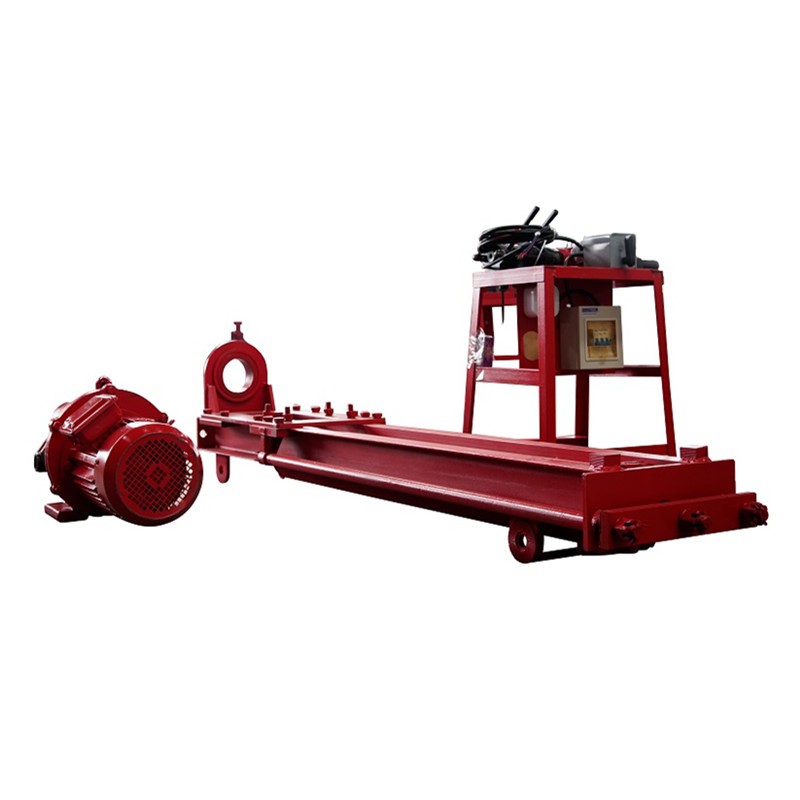
In the quarrying industry, pneumatic drill rigs are used to drill holes for blasting and stone extraction. They are used to break up large rocks and extract valuable minerals and stones from the earth. The Compact Rock Drilling Hydraulic Machine is a versatile machine that can be used in quarrying operations to drill holes of various sizes and depths.
Conclusion
In conclusion, the power source of a pneumatic drill rig is primarily compressed air, which is generated using an air compressor. Compressed air provides a clean, safe, and efficient power source for the drill rig, allowing it to operate effectively in a wide range of applications. Secondary power sources, such as electric and hydraulic power, can also be used to supplement the compressed air or to provide power in certain situations.
If you're in the market for a pneumatic drill rig, I encourage you to contact us to discuss your specific needs. Our team of experts can help you choose the right drill rig and power source for your application, ensuring that you get the best performance and value for your investment. Whether you're in the mining, construction, or quarrying industry, we have the solutions you need to get the job done.
References
- "Pneumatic Tools and Equipment Handbook" by John Doe
- "Compressed Air Systems: Principles and Applications" by Jane Smith
- "Drilling Techniques in Mining and Construction" by Bob Johnson