Hey there, folks! As a supplier of portable air compressors, I've gotten tons of questions about how these nifty machines perform at high altitudes. It's a topic that's super important, especially for those who work in mountainous regions, mining sites up in the hills, or any high - elevation project. So, let's dig into it and see what happens to our portable air compressors when they're up in the thin air.
Understanding the Basics of Air Compressors
First off, let's quickly go over how a portable air compressor works. These things take in air from the surrounding environment, compress it, and then release it at a higher pressure. This compressed air can be used for all sorts of tasks, like powering pneumatic tools, inflating tires, or even drilling rocks. We've got some great options, like the Portable Screw Air Compressor, which is known for its efficiency and reliability.
The Impact of High Altitudes on Air Density
One of the biggest factors that affect a portable air compressor at high altitudes is the change in air density. As you go higher up, the air gets thinner. That means there are fewer air molecules in a given volume of air. And since an air compressor works by taking in air and compressing it, having less air to start with can really throw a wrench in the works.
At sea level, the air is nice and dense. The compressor can suck in a good amount of air in each cycle, compress it, and then deliver a decent amount of compressed air output. But at high altitudes, say above 5,000 feet, the air density drops significantly. This means that the compressor has to work harder to take in the same volume of air molecules as it would at sea level.
Decreased Performance
The decrease in air density directly leads to a decrease in the performance of the portable air compressor. Here are some of the key areas where you'll notice the difference:
Reduced Airflow
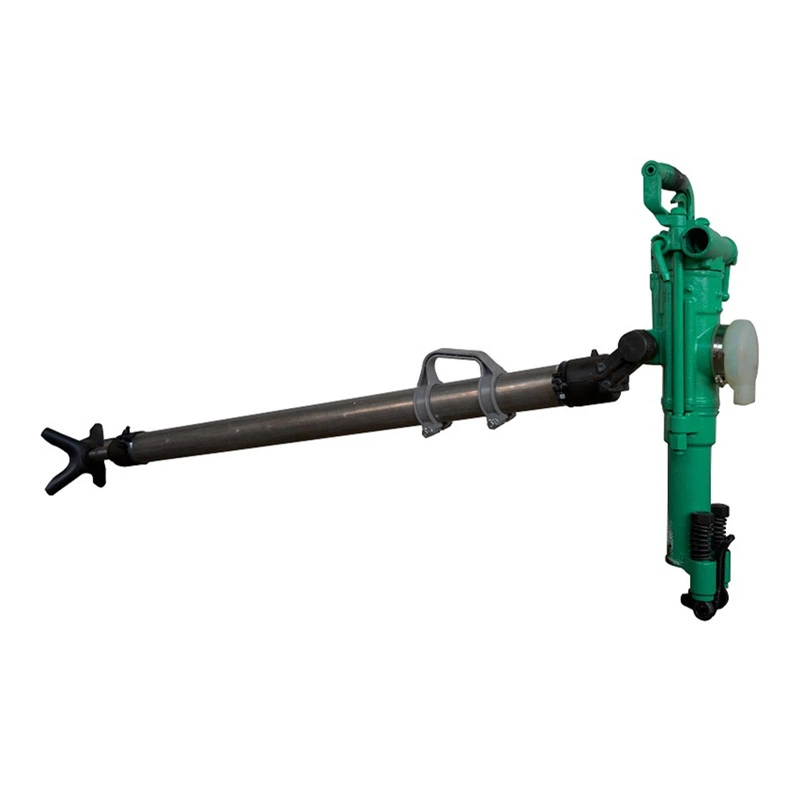
With less air available to compress, the airflow output of the compressor goes down. This can be a real problem if you're using the compressor to power tools that rely on a steady stream of compressed air. For example, if you're using a Compressor for Drilling Rock, a reduced airflow can make the drilling process slower and less efficient. The drill bit might not be able to penetrate the rock as easily, and you'll end up spending more time on the job.
Lower Pressure
Another issue is that the pressure of the compressed air also tends to be lower at high altitudes. The compressor might not be able to reach the same pressure levels as it would at sea level. This can affect the performance of pneumatic tools that require a certain minimum pressure to operate properly. For instance, an impact wrench might not have enough power to loosen or tighten bolts effectively if the compressed air pressure is too low.
Longer Compression Cycles
To try and make up for the reduced air density, the compressor has to run for longer periods in each compression cycle. This means that it takes more time to build up the desired pressure. If you're in a hurry to get a job done, this can be a major headache. You'll find yourself waiting around for the compressor to reach the right pressure, which can slow down your entire workflow.
Increased Energy Consumption
Since the compressor has to work harder to take in and compress the thinner air, it consumes more energy. This is not only bad for your electricity or fuel bill but can also put more strain on the compressor itself. Over time, the increased energy consumption can lead to more wear and tear on the machine, potentially shortening its lifespan.
Overheating
Another problem that can occur at high altitudes is overheating. The compressor has to work harder to achieve the same output, which generates more heat. And with the thinner air at high altitudes, there's less air available to cool the compressor. This combination can cause the compressor to overheat more easily.
Overheating is a serious issue because it can damage the internal components of the compressor. If the compressor gets too hot, it might shut down automatically to prevent further damage. This can be a real pain, especially if you're in the middle of an important job.


Solutions to Improve Performance at High Altitudes
So, what can you do to improve the performance of your portable air compressor at high altitudes? Here are some tips:
Choose the Right Compressor
If you know you'll be working at high altitudes, it's a good idea to choose a compressor that's designed to handle the conditions. Look for compressors that are specifically rated for high - altitude use. These compressors are often equipped with larger intake filters and more powerful motors to compensate for the reduced air density. Our Air Compressor for Rock Drilling is a great option for high - altitude applications, as it's built to withstand the challenges of working in tough environments.
Regular Maintenance
Regular maintenance is crucial, especially when using a compressor at high altitudes. Make sure to clean or replace the intake filters regularly. With the thinner air, there might be more dust and debris in the air, which can clog the filters and further reduce the performance of the compressor. Also, check the oil levels and other vital components to ensure that the compressor is running smoothly.
Adjust the Settings
Some portable air compressors allow you to adjust the settings to compensate for the high - altitude conditions. You might be able to increase the engine speed or adjust the pressure settings to get a better output. However, be careful when making these adjustments, as you don't want to put too much strain on the compressor.
Conclusion
In conclusion, high altitudes can have a significant impact on the performance of a portable air compressor. The decrease in air density leads to reduced airflow, lower pressure, longer compression cycles, increased energy consumption, and the risk of overheating. But with the right compressor, proper maintenance, and some adjustments, you can still get good performance out of your machine at high altitudes.
If you're in the market for a portable air compressor that can handle high - altitude conditions, we've got you covered. Our range of compressors, including the ones mentioned above, are designed to provide reliable performance in all sorts of environments. Whether you're a contractor working on a mountain project or a hobbyist looking to use your compressor in high - elevation areas, we can help you find the right solution.
If you're interested in learning more about our portable air compressors or want to discuss your specific needs, don't hesitate to reach out. We're here to help you make the best choice for your project. Let's start a conversation and see how we can work together to get the job done right.
References
- ASME (American Society of Mechanical Engineers). "Performance Standards for Air Compressors."
- Compressed Air and Gas Institute. "Guidelines for Operating Air Compressors at High Altitudes."