Hey there! As a supplier of Low Pressure DTH Hammers, I often get asked about the maximum drilling depth these bad boys can reach. So, let's dive right into it and explore this topic in detail.
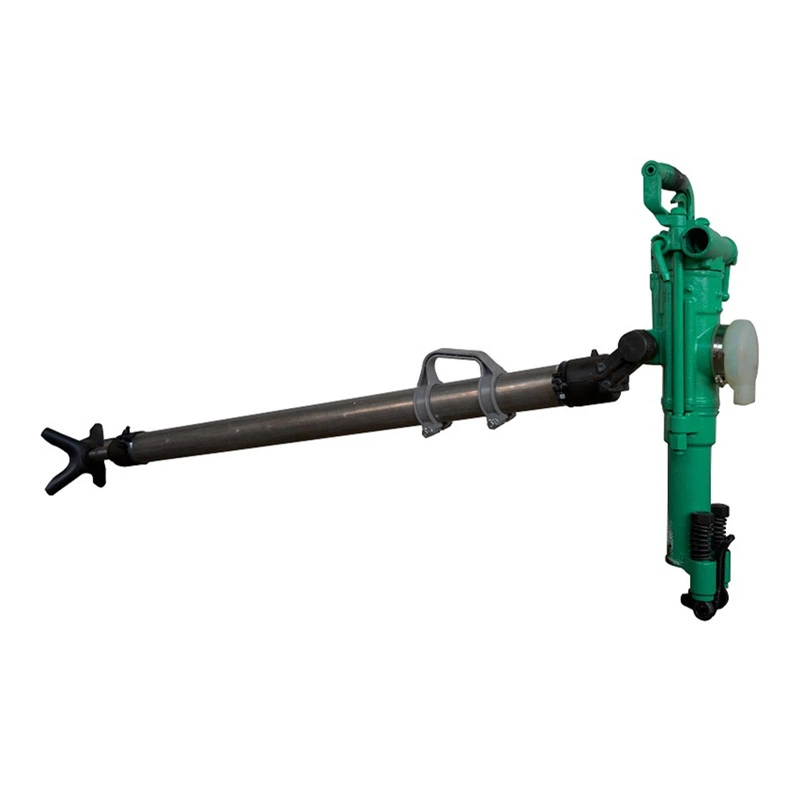
First off, what exactly is a Low Pressure DTH Hammer? Well, it's a crucial piece of equipment in the drilling industry. You can check out more about it Low Pressure Dth Hammer. These hammers work by using compressed air to drive a piston, which then strikes the drill bit, creating the impact needed to break through rock and other hard materials. They're known for being relatively energy - efficient compared to some high - pressure alternatives, making them a popular choice for many drilling operations.
Now, the maximum drilling depth of a low - pressure DTH hammer isn't a one - size - fits - all answer. There are several factors that come into play, and I'll break them down for you.
Rock Formation
The type of rock you're drilling through is a major factor. If you're dealing with soft rocks like sandstone or limestone, the low - pressure DTH hammer can usually reach greater depths. Soft rocks are easier to break, so the hammer doesn't have to work as hard. On average, in soft rock formations, you might be able to drill up to 100 - 200 meters with a good - quality low - pressure DTH hammer.
However, when you're faced with hard rocks like granite or basalt, things get a bit more challenging. Hard rocks have a high compressive strength, which means the hammer has to deliver more force to break them. In these cases, the maximum drilling depth can drop significantly. You might only be able to drill 30 - 50 meters, depending on the specific characteristics of the rock and the capabilities of the hammer.
Air Supply
The air supply is another key factor. Low - pressure DTH hammers rely on compressed air to operate. If the air supply is insufficient, the hammer won't be able to function properly. You need to have a compressor that can provide a consistent and adequate volume of air at the right pressure.
A low - pressure DTH hammer typically operates at pressures ranging from 5 - 10 bar. If your compressor can't maintain this pressure throughout the drilling process, the hammer's performance will decline, and the maximum drilling depth will be affected. For example, if the air pressure drops during drilling, the piston inside the hammer won't strike the drill bit with enough force, resulting in slower penetration rates and potentially limiting the depth you can reach.
Drill Bit Quality
The quality of the DTH Hammer Drill Bits also plays a big role. A high - quality drill bit is designed to withstand the high - impact forces generated by the hammer and the abrasive nature of the rock. It has sharp cutting edges that can effectively break through the rock, reducing the wear and tear on the bit itself.
If you use a low - quality drill bit, it will wear out quickly. As the bit wears, it becomes less effective at breaking the rock, and the hammer has to work harder. This can lead to a decrease in drilling efficiency and a reduction in the maximum drilling depth. So, investing in good - quality drill bits is essential for getting the most out of your low - pressure DTH hammer.
Hole Diameter
The diameter of the hole you're drilling matters too. Generally, smaller hole diameters allow for greater drilling depths. When the hole diameter is small, there's less rock to break, and the air can flow more easily through the drill string. This means the hammer can operate more efficiently.
For example, if you're drilling a small - diameter hole (say, 50 - 75 mm), you might be able to achieve greater depths compared to drilling a larger - diameter hole (100 - 150 mm). In larger holes, the hammer has to break more rock, and there's more resistance to the air flow, which can limit the depth you can reach.
Maintenance and Condition of the Hammer
Proper maintenance of the low - pressure DTH hammer is crucial for achieving maximum drilling depths. Regularly cleaning the hammer, checking for wear and tear on its components, and replacing worn - out parts can keep the hammer in top condition.
If the hammer isn't maintained properly, it can develop problems such as leaks in the air passages or worn - out pistons. These issues can reduce the hammer's performance and limit the drilling depth. For instance, an air leak can cause a drop in air pressure, which, as we discussed earlier, affects the hammer's ability to break the rock effectively.


In some ideal scenarios, with all the factors working in your favor - soft rock, a good air supply, high - quality drill bits, small hole diameter, and a well - maintained hammer - you might be able to reach depths of up to 200 - 300 meters. But it's important to note that these are rare cases.
In real - world applications, most low - pressure DTH hammers can typically reach depths of 50 - 150 meters. This range takes into account the various challenges that you're likely to encounter in different drilling environments.
So, if you're in the market for a low - pressure DTH hammer and want to achieve the best possible drilling depths, it's important to consider all these factors. Make sure you choose a hammer that's suitable for your specific drilling requirements, invest in high - quality drill bits, and maintain your equipment properly.
If you're interested in purchasing a low - pressure DTH hammer or have any questions about our products, feel free to reach out. We're here to help you find the right solution for your drilling needs. Whether you're a small - scale contractor or a large - scale mining operation, we have the expertise and the products to meet your requirements.
References
- Drilling Engineering Handbook, 2nd Edition
- Journal of Rock Mechanics and Geotechnical Engineering, various issues related to DTH hammer drilling
- Manufacturer's manuals and technical specifications for low - pressure DTH hammers